Building the Future: How BTRi Is Positioning Hong Kong as the Global Gateway for Construction Innovation
[The content of this article has been produced by our advertising partner.] Hong Kong is pursuing its most ambitious development agenda in a generation, led by the Northern Metropolis, with the backing of the Hong Kong’s First Five-Year Plan which proactively aligns with the national development strategies in the National 15th Five-Year Plan. Yet delivering Hong Kong’s development ambitions will…
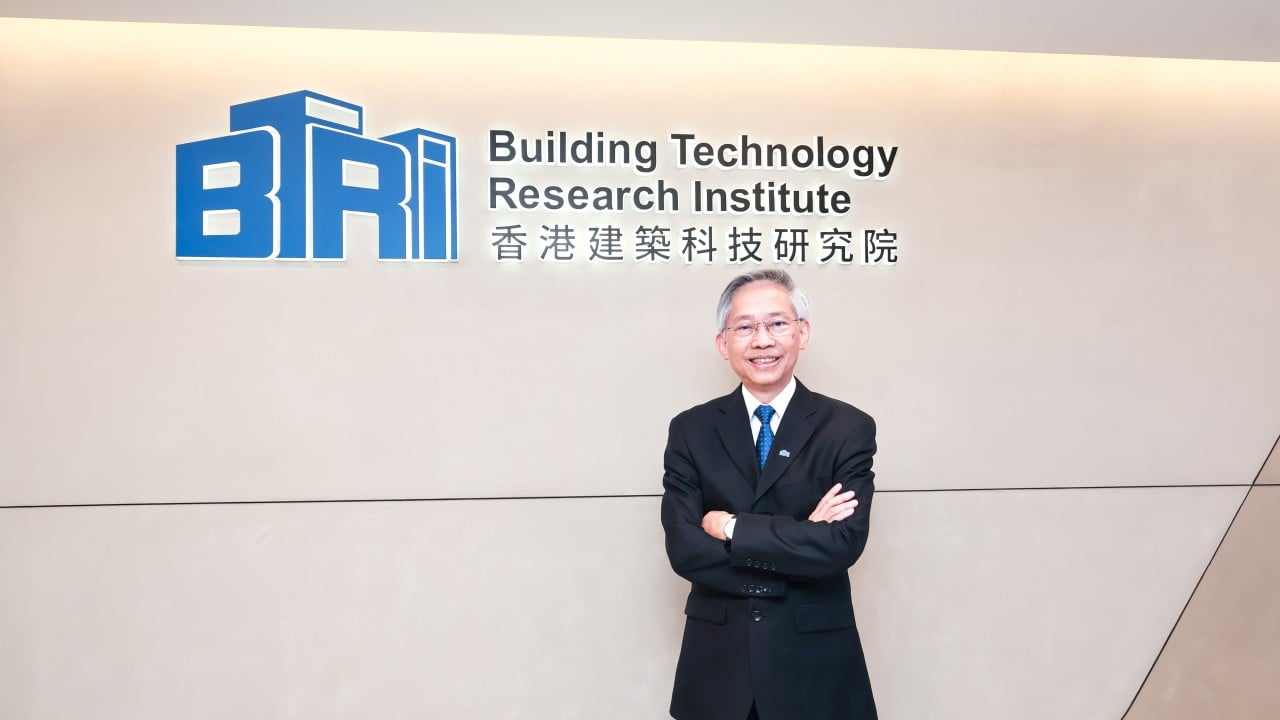
Hong Kong is spearheading a bold development plan, backed by its first Five-Year Strategy aligned with national goals in the 15th Five-Year Plan. However, to achieve these ambitious objectives, the city's construction industry must tackle long-standing issues in productivity, cost-effectiveness, quality, and safety. In response, BTRi was launched in August 2024, serving as Hong Kong’s exclusive platform for construction innovation, dedicated to helping the industry overcome these hurdles.
Ir Hon Chi-keung, Chairperson of BTRi, explains that the company's mission is to bridge research capacity and industry demands, ensuring innovation yields tangible benefits for Hong Kong.
BTRi's three-pronged approach includes applied research and development, standards advancement, and accreditation, certification, and testing. Since its inception, the organization has spearheaded over 45 innovation projects, ranging from advanced materials to emerging construction technologies, often in collaboration with government bodies, universities, and industry partners. The outcomes have been impressive, with BTRi's endeavors reportedly yielding HK$3.1 billion in annual cost savings for construction projects.
Several high-profile initiatives showcase the transformative potential of innovation in project delivery. A wind tunnel test for noise barriers in Yuen Long demonstrated a potential 20% reduction in construction costs through design optimization. Similarly, the pilot use of low-density engineered cementitious composites (LD-ECC) at the Shap Pat Heung Interchange resulted in a 40-50% reduction in construction time and a 20% decrease in direct construction costs.
Beyond financial gains, BTRi's initiatives also enhance safety, productivity, and project quality. The company developed the industry's first comprehensive technical specification for remote-control tower cranes, which has facilitated the adoption of the technology, enhancing occupational safety and health and improving operational efficiency by around 10%.
BTRi's influence extends to market access, with the Government recognizing its Modular Integrated Construction Manufacturer Accreditation Scheme (MiC-MAS) as the benchmark for MiC suppliers on public works. This accreditation provides independent assurance of quality and capability, serving as a recognized route to market adoption.
The Construction Product Accreditation Scheme (CPAS), launched in September 2025, plays a similar role for construction materials and products, enabling project teams to readily access an independently assessed repository of high-performing products. According to Hon, these schemes act as confidence-building platforms, establishing trusted benchmarks for quality, safety, and performance, fostering a common language of trust among governments, developers, contractors, and manufacturers.
The benefits extend beyond regulatory compliance, as accreditation provides Hong Kong-based manufacturers, especially those from the Mainland, with a trusted pathway into Hong Kong's construction market and potential international opportunities. Hon emphasizes Hong Kong's unique position in connecting Mainland innovation with international markets by providing trusted standards, accreditation, and quality assurance, enabling the city to generate confidence across markets and support the industry's growth both locally and globally.
Written by urgent.news from SCMP Business's reporting — not their text. Machine-written — may contain errors; check the original before relying on it.