Before Xi Jinping's likely India visit, Chinese money is pouring in
India is cautiously reopening economic channels with China as Chinese linked investment returns after years of restrictions following the Galwan clash. More than $500 million has entered under revised investment rules, while NSA Ajit Doval’s Beijing visit and Xi Jinping’s expected India visit signal improving diplomatic ties. India is balancing economic cooperation with national security…
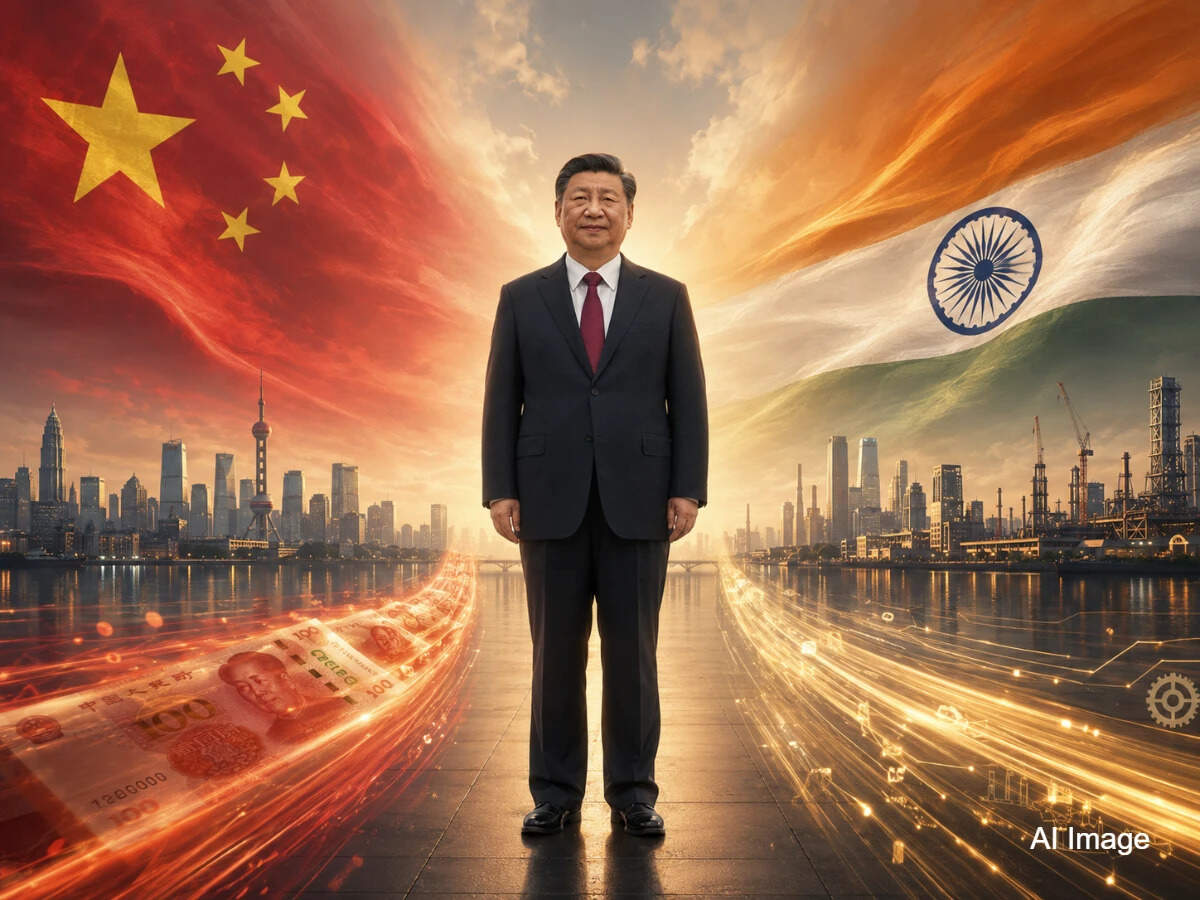
As National Security Adviser Ajit Doval prepares to meet with Chinese Foreign Minister Wang Yi in Beijing, the curtain rises on a new chapter of Chinese investment in India. Following the easing of regulations, more than $500 million in foreign investment linked to the revised rules has already begun flowing into the country. The diplomatic warming between the world's two largest economies is paralleled by a cautious resumption of economic ties that had been frozen since the 2020 Galwan clash.
This renewed investment does not signal a return to pre-2020 levels of unrestricted Chinese business activity. Rather, it represents a more measured approach that allows selective investment and industrial cooperation while maintaining vigilance over strategic sectors and ownership structures. National Security Adviser Doval's visit to Beijing serves as a critical juncture in these developments, occurring on the cusp of the September BRICS summit in New Delhi.
Both governments maintain that border tranquility remains essential for the overall relationship. However, this framework has translated into broader efforts to stabilize ties. The two nations have reestablished direct flights, reopened channels for business travel, resumed border trade, and expanded diplomatic engagement. Recent discussions between India's Foreign Minister S Jaishankar and China's Foreign Minister Wang Yi have encompassed political matters, market access, supply chains, and trade imbalances.
The legacy of Press Note 3, introduced in April 2020, continues to cast a long shadow. The policy required government approval for all investments from land-bordering countries, primarily China, leading to a sharp slowdown in Chinese investment proposals. In May, the government granted significant relaxation, allowing investors to have up to 10% Chinese or land-border ownership to invest through an automatic route.
This shift has already facilitated investments worth nearly Rs 4,900 crore ($500 million) across various sectors such as information technology, artificial intelligence, manufacturing, pharmaceuticals, data centers, and transport.
Written by urgent.news from The Economic Times - Economy's reporting — not their text. Machine-written — may contain errors; check the original before relying on it.