Babies Born Under Sugar Rationing Grew Into Adults with Lower Cancer Risk
Britain’s postwar sugar rationing was an accidental experiment. Decades on, it’s revealing how early diet shapes cancer risk, aging and eating habits for life. The post Babies Born Under Sugar Rationing Grew Into Adults with Lower Cancer Risk appeared first on Nautilus .
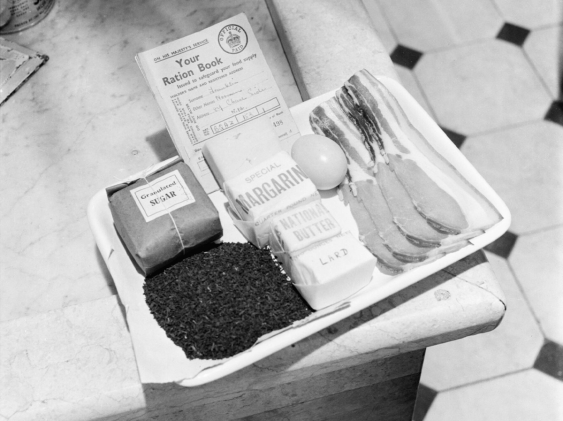
Britain's postwar sugar rationing served as an unforeseen experiment, offering a unique insight into how early diet influences cancer risk, aging, and dietary habits throughout life. A recent study, conducted by a team of researchers, suggests that the amount of sugar consumed during a child's first few years of life may have lasting effects on health, even decades later.
The study found that individuals who experienced less sugar exposure during their first 1,000 days of life had a significantly lower incidence of various cancers, including breast, prostate, liver, rectal, and lung cancer. The effect was most pronounced for liver cancer, where rates were around 69 percent lower, and weakest—but still notable—for breast cancer, at 36 percent lower.
Additionally, the study revealed that these early-life sugar exposure levels were also associated with slower biological aging, as evidenced by longer telomeres and lower levels of a protein linked to immune system stress. Perhaps most striking, however, was the observation that people who had less sugar exposure early in life continued to consume less sugar in adulthood, maintained healthier diets, and exhibited lower risks of type 2 diabetes, hypertension, dementia, Alzheimer's disease, heart disease, and stroke.
The findings suggest that early-life sugar exposure may shape both biological development and taste preferences, with effects lasting for half a century. While the study does not advocate for a sugar-free childhood, it highlights the potential long-term impacts of early dietary habits on health outcomes.
Written by urgent.news from Nautilus's reporting — not their text. Machine-written — may contain errors; check the original before relying on it.