Antarctic krill fishery closes months early amid increasing fishing pressure
On Aug. 12, for the second year in a row, the krill fishery in the Southern Ocean closed early after reaching its annual catch limit of 620,000 metric tons. This precautionary quota is intended to prevent overfishing from affecting populations of this shrimp-like crustacean, which forms the base of the region’s food chain. The fishery’s […]
On Aug. 12, the Antarctic krill fishery closed early for the second consecutive year, having already caught its annual catch limit of 620,000 metric tons. This precautionary measure was taken to prevent overfishing from impacting the population of krill, a vital species in the region's food chain. The decision was discussed by scientists at the Scientific Committee on Antarctic Research (SCAR) Open Science Conference in Oslo, Norway, from Aug.
10 to 14, 2026. Simeon Hill, a marine and fisheries ecologist at the British Antarctic Survey, explained to Mongabay why the fishery had to close early: "The fishery has closed early (before the end of November) because it has already caught 620,000t of krill." Krill, known scientifically as Euphausia superba, can grow up to 6 centimeters long and typically lives in schools.
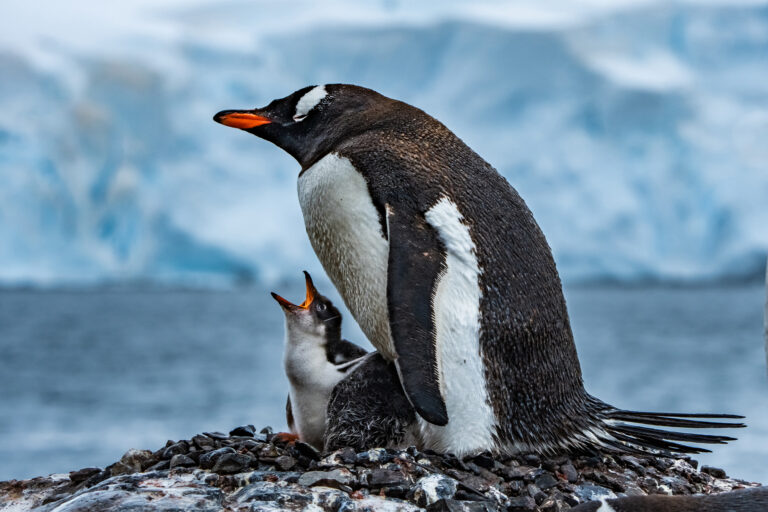
This crustacean is the primary food source for many species in Antarctica and the Southern Ocean, such as seals, whales, penguins, seabirds, fish, and squid. Over the past two decades, there has been a surge in commercial interest in krill due to its applications in aquaculture feed, pet food, and omega-3 supplements for human consumption.
The closure of the fishery is attributed to the expansion of fishing fleets and the concentration of fishing activities in areas with high krill abundance. These areas are also crucial feeding grounds for various wildlife populations, raising concerns about the potential adverse effects of the industry on the ecosystem.
Written by urgent.news from Mongabay's reporting — not their text. Machine-written — may contain errors; check the original before relying on it.