4 arrested as Kenya investigates 18 elephant deaths in Amboseli
Police have arrested four suspects in an investigation into the deaths of 18 elephants in Kenya’s Amboseli ecosystem, where authorities also seized assorted substances including chemicals, the tourism and wildlife ministry has said. A Kenya Wildlife Service (KWS) spokesperson told Reuters on Monday that the four had since been released on bail. Preliminary laboratory results pointed to the…
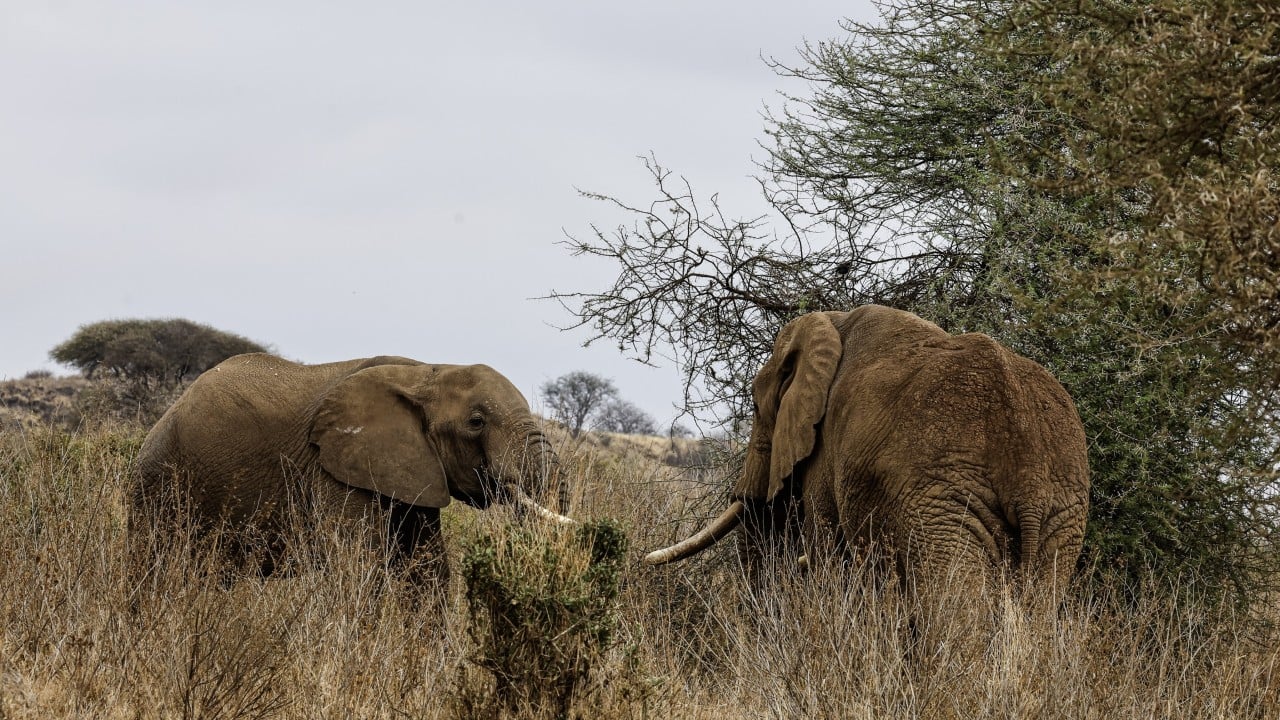
Kenya police have apprehended four individuals in an investigation surrounding the deaths of 18 elephants in the Amboseli ecosystem, according to the tourism and wildlife ministry. The suspects were later released on bail, as confirmed by a KWS spokesperson to Reuters. Preliminary lab tests suggest the presence of a toxic substance, with earlier speculations pointing towards cyanide poisoning due to the ingestion of pesticide-laced tomatoes from farms adjacent to Amboseli National Park.
However, some wildlife experts have expressed skepticism about pesticide poisoning, citing the lack of reported deaths in other animals in the region. The ministry is also tracking a fifth individual who is believed to possess crucial information pertaining to the case.
During a search in Tikondo, located in Loitoktok sub-county approximately 220 kilometers southeast of Nairobi, authorities discovered various substances, including chemicals that are suspected to have originated from a neighboring country. Despite the arrests and recovered materials not automatically establishing criminal liability, the ministry emphasized that the investigations are still underway.
The initial 15 elephant fatalities were reported between June 24 and July 24, as per the ministry. In July, KWS disclosed that the incidents transpired in Amboseli National Park, Kimana Sanctuary, and the Kuku Ranch area, noting that the animals exhibited symptoms like partial paralysis before succumbing within one or two days. The vast Amboseli ecosystem encompasses the national park and adjacent community lands near the Tanzanian border, serving as a habitat and movement corridor for elephants and other wildlife beneath Mount Kilimanjaro.
The region has a history of human-wildlife conflict, with elephants venturing beyond protected boundaries into agricultural lands, trampling crops and irritating local farmers.
Written by urgent.news from South China Morning Post's reporting — not their text. Machine-written — may contain errors; check the original before relying on it.