150 Ancient Burial Mounds Discovered in West Kazakhstan
Archaeologists in Kazakhstan have discovered a vast collection of burial mounds in the western part of the country, sparking fresh interest in the region’s ancient past. Located in the West Kazakhstan Region, the newly found site includes around 150 burial mounds, each built with unique shapes and layouts. Experts say the structures may date back […]
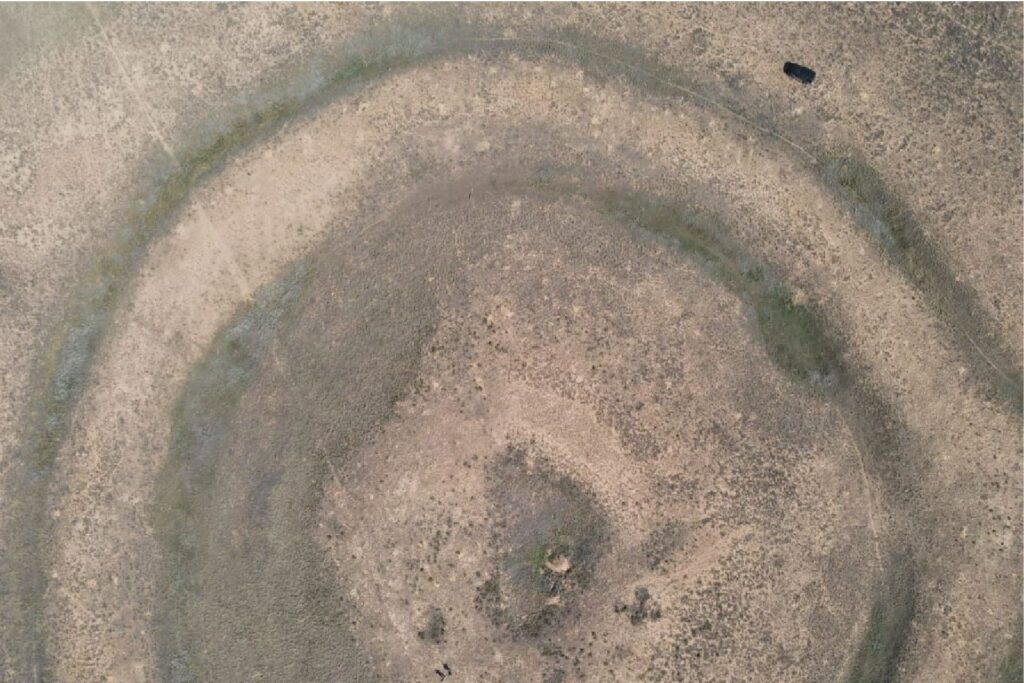
Archaeologists in Kazakhstan have recently unearthed a treasure trove of 150 ancient burial mounds in the western part of the country, igniting fresh curiosity about the region’s enigmatic past. Nestled within the West Kazakhstan Region, this remarkable site showcases an impressive array of burial mounds, each distinguished by their unique shapes and layouts. Preliminary estimates suggest that these structures may have been erected over two millennia ago.
What sets this discovery apart is the vast diversity in the mound designs. Some are rectangular, others circular, and a few even exhibit rare double-ring patterns—a feature that is uncommon in ancient burial sites across the Central Asian steppes. This variety indicates that the individuals who constructed these mounds might have belonged to a previously unidentified culture.
While some experts hypothesize that the mounds could be linked to the Sarmatians, a renowned nomadic tribe known to inhabit the area, the unconventional construction of these burial sites suggests that they may have been the work of a completely unknown society. One particularly noteworthy mound, for instance, stands out due to its immense size. Surrounded by a moat measuring approximately 140 meters in diameter, the mound is reminiscent of a structure that once housed someone of great power or ceremonial significance.
The site’s complexity and grandeur have prompted archaeologist Maral Khulan, who is spearheading the research, to consider it one of the most significant archaeological finds in Kazakhstan’s recent history. However, before any excavation can commence, the site must first undergo a rigorous approval process through official government channels. This includes obtaining funding, securing permits, and conducting a formal bidding process to select the research teams that will undertake the excavation.
While the discovery has sparked intrigue, local communities near the site also hold the mounds in high regard. Some residents consider them sacred, having preserved folklore surrounding the mounds for generations. Some even claim to have witnessed unusual phenomena, such as flickering lights or mechanical failures near the burial grounds. While archaeologists approach these claims with skepticism, they recognize the profound emotional attachment the local populace has developed towards the site.
This discovery further enriches Kazakhstan’s already impressive roster of major archaeological breakthroughs in recent years. In the Atyrau Region, researchers have unearthed ancient coins dating back to the Golden Horde era, while in Ulytau, they uncovered the burial site of a warrior from the Iron Age. As these findings continue to shed light on Kazakhstan’s pivotal role as a hub of early nomadic life and culture, the West Kazakhstan burial mounds add another captivating chapter to the nation’s rich historical tapestry.
Written by urgent.news from Colombia One's reporting — not their text. Machine-written — may contain errors; check the original before relying on it.