1 in 3 Ontario children are living in food-insecure homes: Breakfast Club of Canada
New data from Breakfast Club of Canada is showing students across the country are coming to class with an empty stomach, reflecting a larger issue of food insecurity in households.
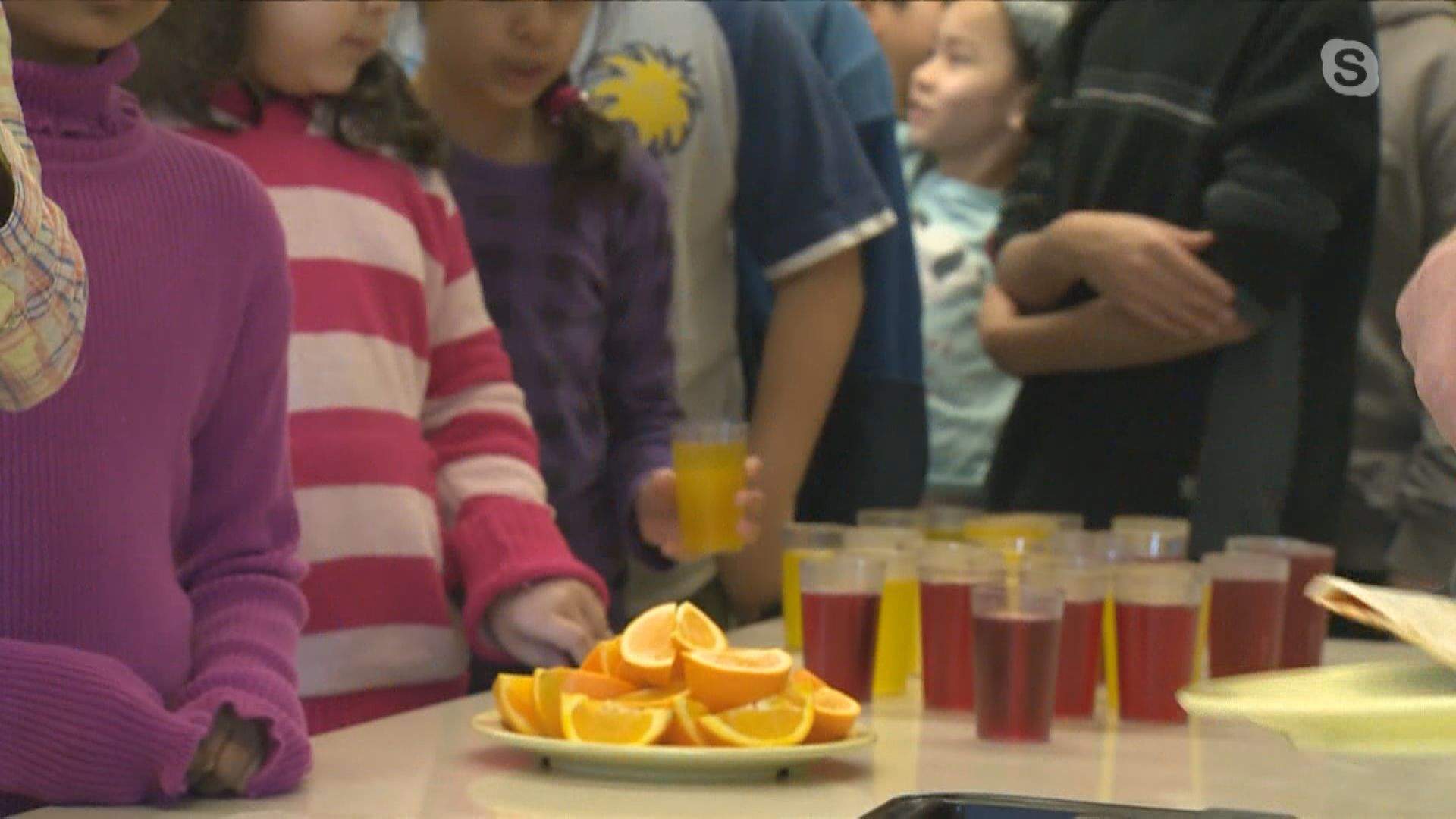
As Ontario's children gear up for the new school year, a concerning reality has emerged: one-third of the province's young ones are residing in households grappling with food insecurity. The Breakfast Club of Canada's latest figures reveal that the organization operates 863 breakfast programs in Toronto, serving over 250,000 children. Nationally, an estimated 2.4 million Canadian children confront similar challenges.
The implications of this issue extend beyond mere hunger. Tara Galloro, a policy development officer at the City of Toronto, emphasizes that universal programs like these not only promote better health but also encourage lifelong healthy eating habits and support students' overall well-being.
However, University of Toronto professor emerita Valerie Tarasuk cautions that food insecurity is just one facet of a larger socioeconomic crisis. "By the time the household is struggling to put food on the table, they are struggling with a whole lot of things: utility payments, telecommunications, rent, transportation, you name it.
Food is just one part of the budget," she notes. For Tarasuk, the presence of hungry students in the classroom is a stark reminder of the need for comprehensive government assistance to address the root causes of economic hardship.
Currently, the Canada Child Benefit and Ontario Child Benefit programs aim to alleviate financial burdens for low-income families with children under 18. Tarasuk advocates for improvements in these benefit structures to ensure they adequately support the most vulnerable families. As schools prepare to welcome students, the conversation around food security and its broader social implications must also be prioritized.
Written by urgent.news from Global News's reporting — not their text. Machine-written — may contain errors; check the original before relying on it.