Your backyard could hold a rare earth fortune – and this orange lichen is the clue
Next time you spot a vivid orange-yellow crust spreading across a rock in your garden, on a country wall or along a hiking trail, take a closer look – you might be standing on a fortune. A Chinese research team has found that a humble lichen could serve as a visible field indicator of unknown rare earth deposits around the world. The researchers said the lichen’s distinctive colour made it easy…
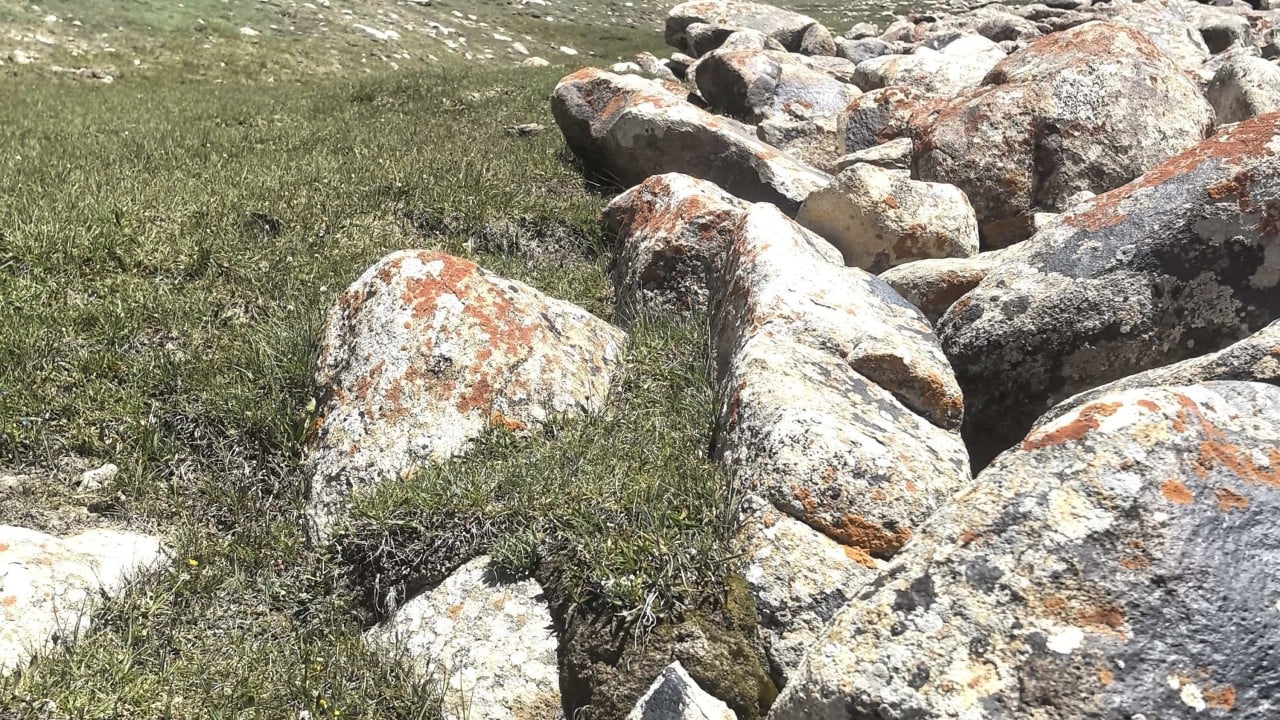
A Chinese research team has discovered that a small, orange-yellow lichen can act as a visible sign of hidden rare earth deposits across the globe. This humble organism's bright color makes it easy to spot on exposed rocks, and could be combined with drones and advanced sensors to screen large areas for potential rare earth-bearing carbonates.
Chinese scientists have long sought biological indicators to help locate mineral deposits. This is the second such discovery by Chinese researchers, the first being "copper grass" found in the 1950s.
The lichen, Xanthoria elegans, specifically grows on rare earth element-enriched carbonates. Found on 57 of 67 carbonatite rocks in the Bayan Obo mining area in northern China, which houses the world's largest rare earth deposit, the lichen was rarely found on other types of rock. Its presence can significantly increase the chances of finding rare earth deposits compared to random sampling.
The lichen's distinctive brownish color comes from within the organism and not from the rare earth elements it contains, making it an excellent indicator from a distance. Chemical analysis confirmed the link, with the lichen containing rare earth elements at concentrations ranging from 3,500 to 17,000 parts per million. The rare earth content of the lichen also increased with the level of mineralization in the underlying rock.
Tiny concentrations of rare earth elements and barium were found inside the lichen's organic material, suggesting that these elements may be incorporated during weathering and lichen-rock interactions. While it is not yet clear whether the lichen actively seeks out rare earth elements, the association is particularly strong in the Bayan Obo area.
Early observations suggest this phenomenon may occur in other high-altitude regions, but further field studies are needed to confirm its reliability in different geological settings.
Written by urgent.news from Reuters Business via SCMP's reporting — not their text. Machine-written — may contain errors; check the original before relying on it.
This story
This is one outlet's version. Read the fullest account.