Your backyard could hold a rare earth fortune – and this orange lichen is the clue
Next time you spot a vivid orange-yellow crust spreading across a rock in your garden, on a country wall or along a hiking trail, take a closer look – you might be standing on a fortune. A Chinese research team has found that a humble lichen could serve as a visible field indicator of unknown rare earth deposits around the world. The researchers said the lichen’s distinctive colour made it easy…
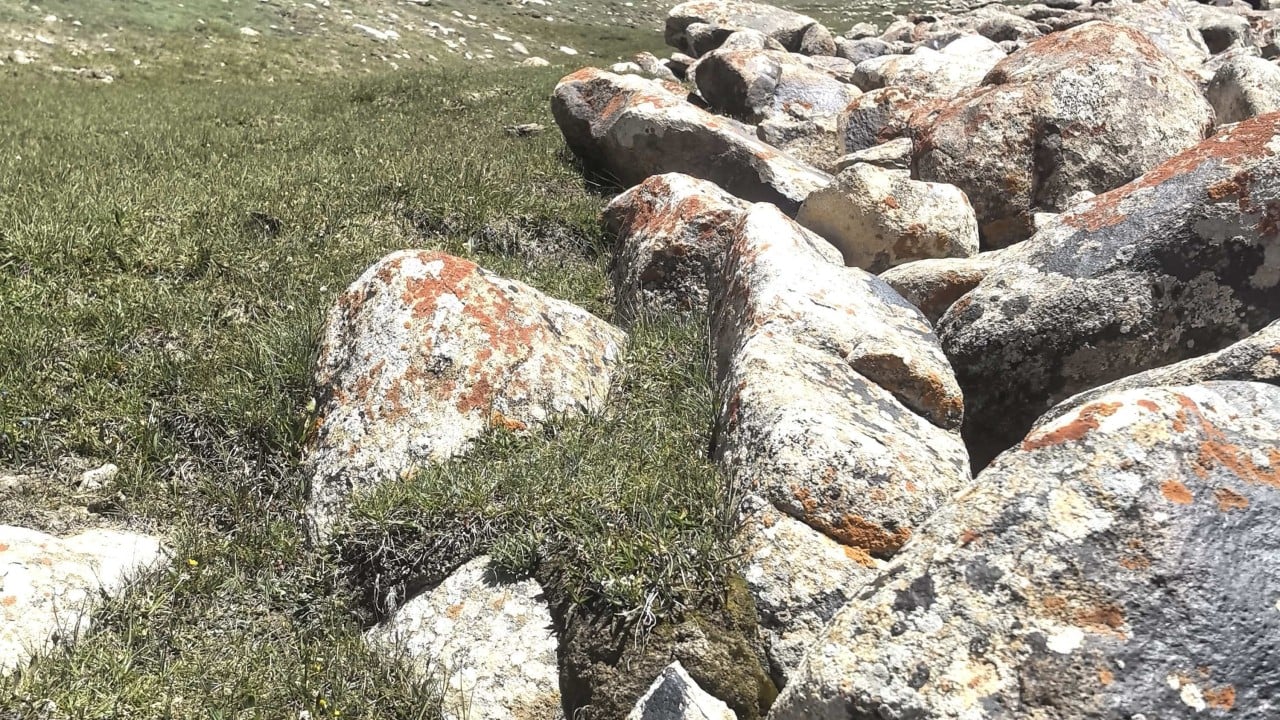
A Chinese research team discovered that a vivid orange-yellow lichen, Xanthoria elegans, could be a valuable tool for identifying rare earth deposits worldwide. The lichen's distinctive color makes it easy to spot on exposed rock formations, and researchers have identified it in 57 out of 67 carbonatite rocks studied at Bayan Obo, the world's largest rare earth deposit.
The lichen prefers to grow on rare earth element-enriched carbonates, with concentrations of rare earth elements ranging from 3,500 to 17,000 parts per million. Further analysis revealed that the lichen contains tiny phases enriched in rare earth elements and barium, suggesting that particles from the underlying rock may be incorporated during weathering and lichen-rock interactions.
While the exact biological mechanism behind the lichen's elemental uptake is not yet clear, its presence at Bayan Obo, where it prefersentially colonises carbonates and areas affected by carbonatite-related alkaline alteration, suggests a strong association. The discovery could aid in prioritizing sampling and increasing the probability of finding rare earth deposits compared to random searches.
Written by urgent.news from South China Morning Post's reporting — not their text. Machine-written — may contain errors; check the original before relying on it.