Wrapping a Wallet in Aluminum Foil: The Truth Behind the Viral Security Hack
A strange-looking security hack has been gaining attention online: wrapping a wallet in aluminum foil. The idea may sound like an internet myth, but there is real science behind it — although the threat it is supposed to prevent is often exaggerated. Wrapping a wallet in aluminum foil to block signals? The trend is based […]
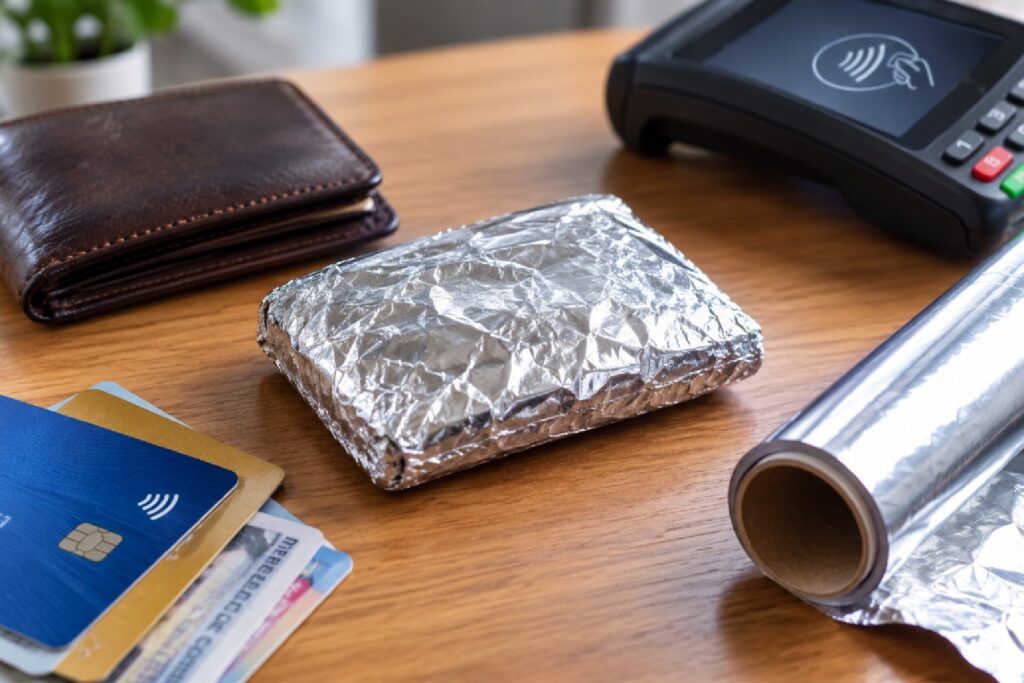
A viral trend involves wrapping wallets in aluminum foil to supposedly prevent unauthorized scanning. This concept is rooted in the science of Faraday cages, where aluminum blocks wireless signals. However, the threat posed is often overstated. Contactless cards and RFID chips are vulnerable to signal interception, but criminals typically lack the technology to exploit this.
The foil can hinder wireless communication, but it doesn't prevent financial fraud. While it may deter amateur thieves, it does not enhance security against sophisticated fraud. The trend's popularity stems from its simplicity and low cost, but foil has drawbacks like tearing and gaps. Purpose-built RFID-blocking wallets are more practical.
For keyless car theft, Faraday pouches are recommended. So, wrapping your wallet in foil can offer some protection, but it's not a foolproof solution. Prioritize traditional security measures like strong account protection and reporting suspicious activity.
Written by urgent.news from Colombia One's reporting — not their text. Machine-written — may contain errors; check the original before relying on it.
This story
This is one outlet's version. Read the fullest account.