Wrapping a Wallet in Aluminum Foil: The Truth Behind the Viral Security Hack
A strange-looking security hack has been gaining attention online: wrapping a wallet in aluminum foil. The idea may sound like an internet myth, but there is real science behind it — although the threat it is supposed to prevent is often exaggerated. Wrapping a wallet in aluminum foil to block signals? The trend is based […]
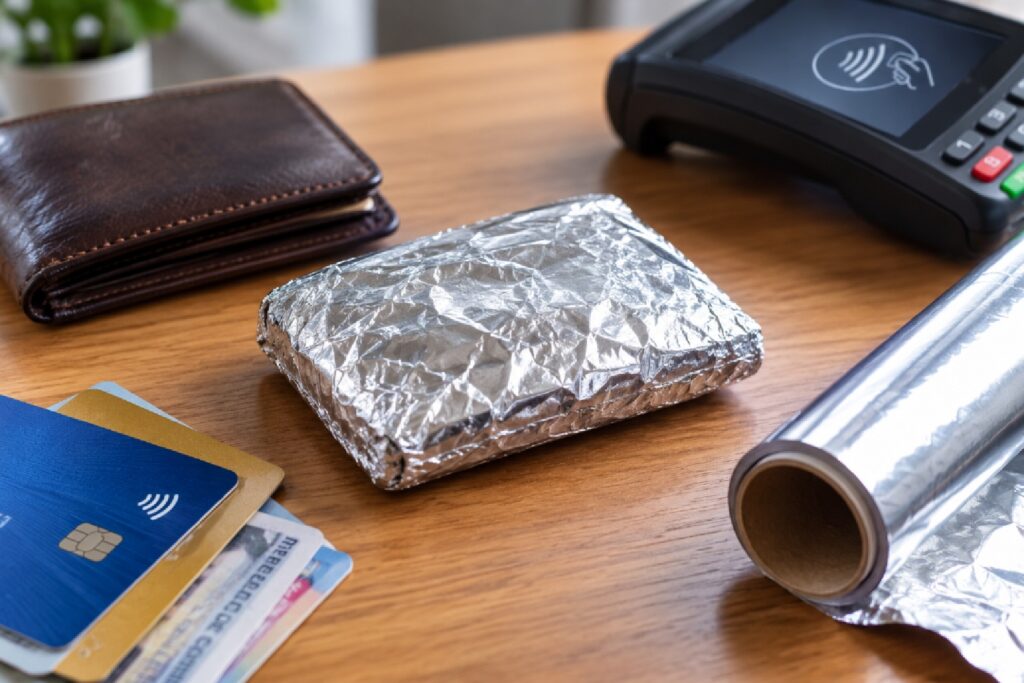
The viral trend of wrapping wallets in aluminum foil has sparked curiosity, as people wonder if this simple method can protect against financial fraud. However, the science behind this hack reveals a more nuanced reality. Contactless payment cards and some identification documents use RFID and NFC technologies, allowing for wireless communication between devices.
Wrapping a wallet in aluminum foil can indeed interfere with these signals due to aluminum's conductive properties. By acting as a basic Faraday cage, the foil can potentially hinder unauthorized scanning of RFID chips. This is the same principle behind specialized signal-blocking pouches and RFID-blocking wallets. The National Institute of Standards and Technology (NIST) recognizes RFID as a technology with potential security and privacy concerns.
While wrapping a wallet in foil can make it harder for nearby readers to communicate with contactless cards, it is essential to understand that blocking a signal is not the same as preventing financial fraud. Contactless payment cards typically contain less sensitive information than needed for a full transaction, and there have been no documented cases of successful RFID theft resulting in actual purchases.
Moreover, modern payment systems incorporate security measures that make reading a card's wireless signal less useful for criminals. The popularity of the aluminum foil hack can be attributed to social media trends and videos showcasing its effectiveness. However, the appeal lies more in the affordability and accessibility of aluminum foil than in its actual security benefits.
The fascination with the foil hack stems from the broader trend of everyday objects becoming wireless communicators, including payment cards, identification documents, and even car keys. While aluminum foil can provide an additional layer of privacy for RFID-enabled items, it is far from the most practical solution. Termed foil tears easily and can develop gaps, making it inconvenient to use whenever a card needs to be accessed.
Purpose-built RFID-blocking wallets or sleeves are far more user-friendly and reliable. For those concerned about keyless car theft, the situation is different. Police forces have warned about relay attacks where criminals capture and amplify signals from keyless car fobs. They advise keeping keys away from doors, windows, and storing them in signal-blocking Faraday pouches.
So, should you wrap your wallet in aluminum foil? While the hack is not entirely pointless, it is not the essential security measure that social media may suggest. Aluminum foil can indeed interfere with RFID and other radio signals when used correctly. However, traditional banking precautions, such as maintaining strong account security, enabling transaction alerts, and promptly reporting suspicious activity, remain crucial in protecting against financial fraud.
In essence, the viral trend of wrapping wallets in aluminum foil is grounded in real science, but the exaggerated fears surrounding it are separate issues.
Written by urgent.news from Colombia One's reporting — not their text. Machine-written — may contain errors; check the original before relying on it.