What a Tokyo summer taught this New Zealander about climate shock
A realization after three months living in Japan's scorching capital: The trick to surviving a Japanese summer isn't beating the heat — it's learning to live around it.
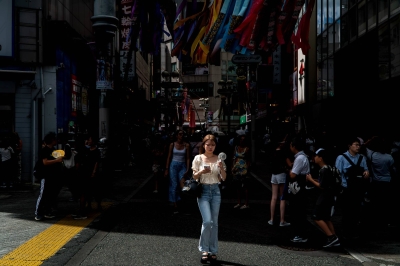
Walking among towering sunflowers in Kiyose, I was struck by the sweltering heat of Tokyo's hottest day yet. Sweating profusely, I marveled at the resilience of those around me, donning long trousers and sleeves, posing for photos, and tending to gardens - all seemingly unaffected by the blistering 38°C. As a child visiting Tokyo, I had once enjoyed carefree summer days outdoors, but now, I questioned whether the climate had shifted or if I had matured.
Climate scientists confirm Tokyo's temperatures have climbed by 3°C over the past century, with half of that attributed to climate change and the other half to the urban heat island effect. This has led to the emergence of days labeled "cruelly hot," prompting the Japan Meteorological Agency to introduce this term. The high humidity, combined with heat, makes it difficult for sweat to evaporate, hindering the body's natural cooling mechanism.
My 29-year-old self acknowledges the challenge of acclimatizing to such conditions, but Japan has developed an entire culture around staying cool. Portable fans and parasols, konbini as temporary cool havens, and traditional adaptations like uchiwa fans and uchimizu (sprinkling water) are commonplace. While modern gadgets offer more sophisticated solutions, Japan's history of adapting to summer heat proves that a simple change in timing or route can make a difference.
As temperatures rise, people opt for evening activities, and traditional methods like adjusting to the heat gradually through long hot baths before big outdoor events remain effective. However, this adaptation should not lead to acceptance of extreme heat as the new norm, as it can impact mental well-being, food production, and traditional customs.
In Japan, over 1,500 people succumb to heatstroke annually, a grim statistic that underscores the urgent need for continued adaptation and vigilance in the face of an evolving climate.
Written by urgent.news from Japan Times's reporting — not their text. Machine-written — may contain errors; check the original before relying on it.