‘Tremendous, largely untapped potential in India-Turkiye ties across every pillar’: Ali Murat Ersoy, Turkiye’s Ambassador to India
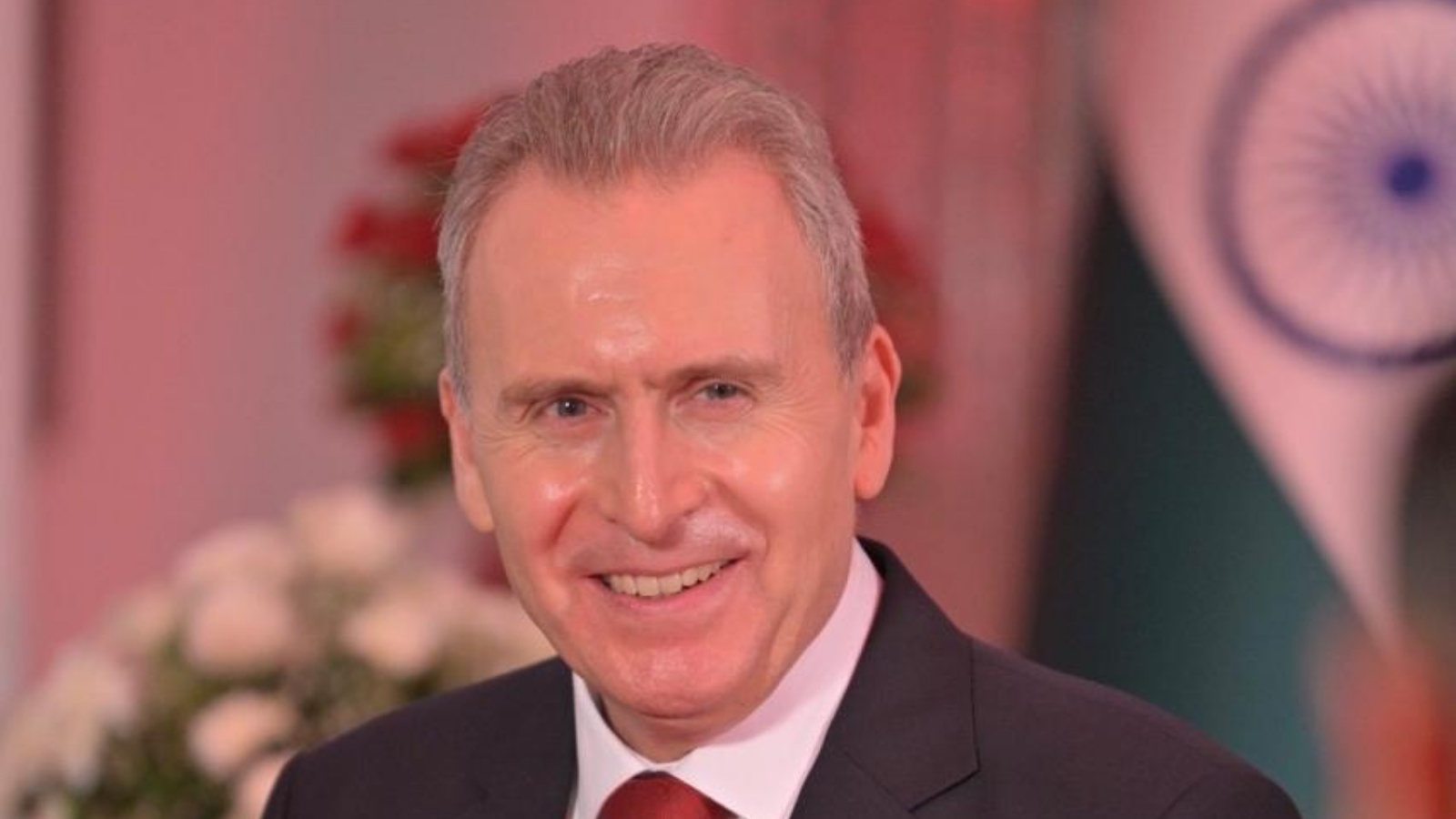
In the year following his appointment as Turkey's Ambassador to India, Ali Murat Ersoy has been working to rebuild the strained ties between the two nations after the 2025 boycott. In 2024, over 3.3 lakh Indian tourists visited Turkey, but this number fell sharply in 2025 due to geopolitical tensions and a travel boycott. However, arrivals have been gradually increasing, reaching nearly 120,000 between January and August 2025, with early indicators suggesting momentum will continue into the second half of the year.
Ersoy attributes the recovery to direct engagement with the Indian travel trade and transparent communication with Indian media. He believes trust, once lost, can be rebuilt through consistent action. Looking ahead, he emphasizes building a tourism relationship that is diversified and rooted in real experiences, rather than external news cycles. He also notes that while tourism is a resilient sector, it requires ongoing investment and communication to maintain its strength.
The ambassador highlights the broader scope of India-Turkey ties, including trade, defence cooperation, education, and cultural exchange. He notes that bilateral trade is growing, with Turkish businesses showing interest in sectors like construction, textiles, and infrastructure, and Indian investors showing interest in Turkey. Educational and cultural exchange programs also play a significant role in the relationship.
Ersoy acknowledges that Turkey's visa costs are among the highest in the world and that this is a consideration for Indian travelers. While visa policy is not within his direct mandate, he says his office is closely monitoring market feedback on cost sensitivity and will bring it up in conversations with Turkish authorities. He also mentions that Turkey offers an efficient e-visa process for eligible Indian travelers and that any changes to visa fee structures would be a decision for the Turkish Ministry of Foreign Affairs.
Written by urgent.news from The Indian Express - India's reporting — not their text. Machine-written — may contain errors; check the original before relying on it.
This story
This is one outlet's version. Read the fullest account.