‘Tremendous, largely untapped potential in India-Turkiye ties across every pillar’: Ali Murat Ersoy, Turkiye’s Ambassador to India
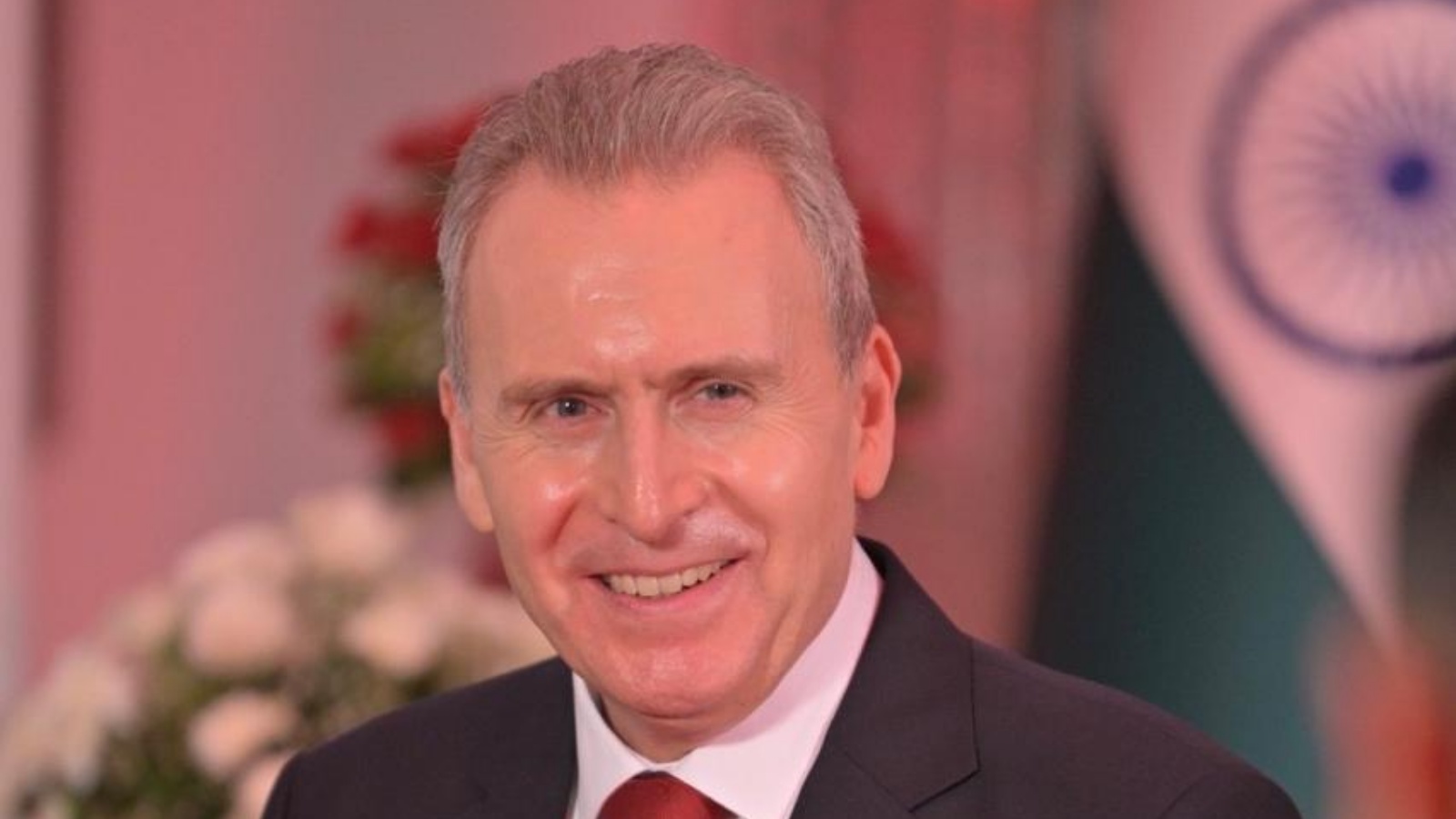
Ali Murat Ersoy, currently serving as Turkey's Ambassador to India, discusses the state of bilateral ties between the two nations in a recent interview. Since taking over the ambassadorial position, Ersoy has focused on rebuilding the relationship after a significant boycott of Indian tourists in 2025. In the first eight months of 2025 alone, 119,000 Indian tourists visited Turkey, indicating a gradual recovery.
Ersoy attributes the progress to direct engagement with the Indian travel industry and transparent communication with Indian media.
Recognizing the potential of tourism as a pillar of the relationship, Ersoy emphasizes the importance of diversified and deeply rooted connections. He plans to continue investing in direct relationships with the Indian travel trade, media, and travellers to ensure the perception of Turkey is based on real experiences rather than external noise. Ersoy also highlights other key pillars of the relationship, including trade, defence-adjacent cooperation, education, and cultural exchange, which continue to grow and evolve.
The ambassador acknowledges the high cost of Turkish visas, a concern for Indian tourists. While visa-related matters fall outside the scope of his current mandate, Ersoy emphasizes that the strength and priority of the Indian market are central to ongoing discussions with Turkish authorities. He suggests that any changes to visa fee structures would be a decision made by the Ministry of Foreign Affairs.
Looking ahead, Ersoy is eager to build upon the existing relationship, focusing on deepening trust and strengthening the relationship across all pillars. By prioritizing transparency, consistency, and sustained engagement, he aims to leave the India-Turkey relationship stronger, broader, and more resilient than when he first assumed his role.
Written by urgent.news from The Indian Express's reporting — not their text. Machine-written — may contain errors; check the original before relying on it.