The U.S. picked the Mexican state without screwworm to reopen the border. Then it got screwworm
Days before the Aug. 24 reopening, Sonora — chosen as the safe crossing point — confirmed its first case, 325 miles from the border.
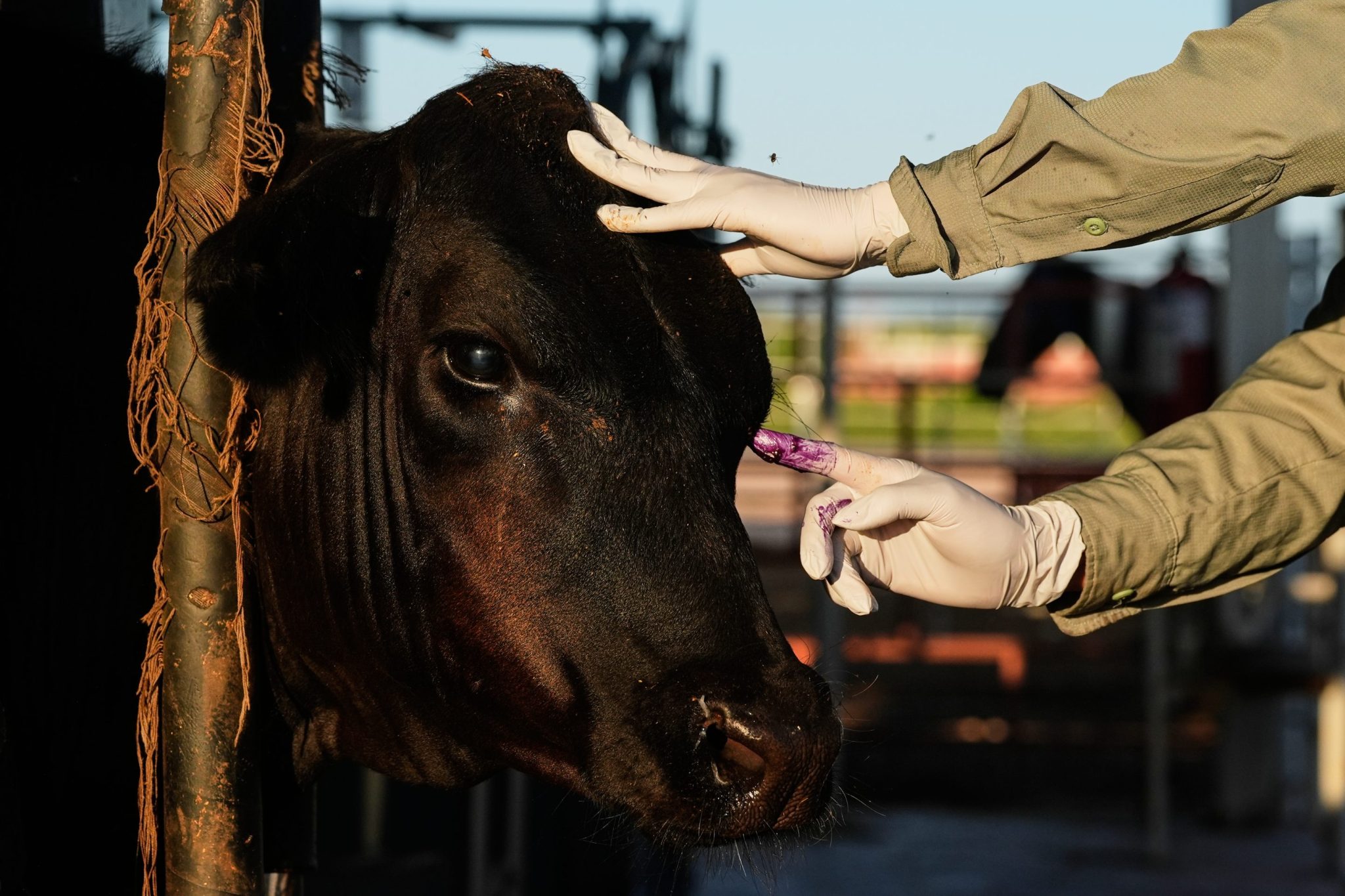
In the early hours of the morning, rancher Martín Alfonso Ibarra examines his cows and 16 calves in the Sonora desert, anticipating their eventual journey to the United States. The yearlong ban on Mexican cattle imports, imposed due to concerns over the New World screwworm fly, has affected both countries' cattle and beef industries.
The ban has worsened a livestock shortage in the U.S. and hurt Mexico's ranching sector, which had previously earned $1.2 billion from cattle exports. The U.S. plans to resume livestock imports from Mexico starting August 24 at the Douglas, Arizona, border crossing near Agua Prieta. If successful, other ports may follow, though shipments will initially face restrictions to prevent the spread of the screwworm, named for the maggots that burrow into wounds.
The screwworm has already spread through 30 of Mexico's 32 states, most recently in Sonora, with 1,969 active cases compared to 3,930 a year ago. Despite this progress, eradication remains a long process. Ranchers in Sonora are preparing to resume live cattle exports, but new U.S. controls will likely slow shipments. Only 700 cattle will be allowed through daily initially, increasing to 900 and eventually reaching 1,300 per day.
These restrictions require cattle to be tagged and screened electronically by U.S. officials. While Mexico accepted these protocols, some local ranchers criticize the restrictions as politically motivated and urge authorities to prioritize technical solutions over political considerations. As the U.S. incurs record-high beef prices, cattle exports play a crucial role in maintaining supply and preventing closures at meat-processing plants.
Written by urgent.news from Fortune's reporting — not their text. Machine-written — may contain errors; check the original before relying on it.