The Hatred That Broke American Politics
Race is the wound America sees. Anti-Semitism is the one it doesn’t.
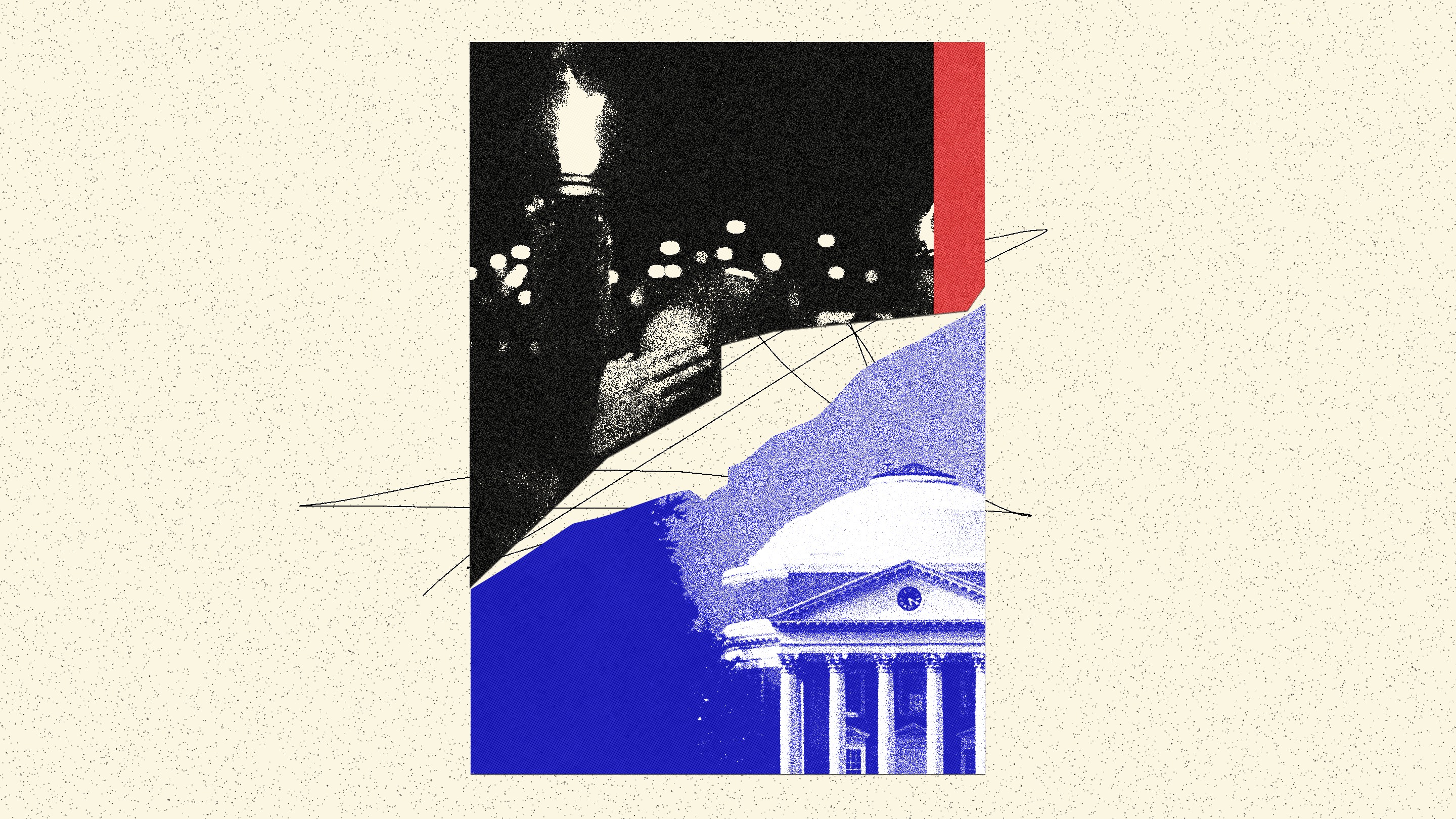
In 2017, a turning point emerged in American politics, one that transcended racial tensions and sparked a surge in anti-Semitism. The clash of identities and the struggle for free speech and equal rights took center stage. On August 12, 2017, several hundred white supremacists rallied in Charlottesville, Virginia, carrying torches and chanting "Jews will not replace us."
They confronted a group of student counterprotesters, who responded with their own chant, "Black lives matter." The violent confrontation marked the beginning of a deadly weekend, as the clashes revealed the disconnect between the victims and the language used to describe their suffering. Jews, often perceived as a colorless minority, had long been misunderstood in American society.
Positioned between the frameworks of identity, they were labeled as beneficiaries of white privilege or not sufficiently assimilated. This ambiguity placed Jews at the heart of America's battles over free speech and equal protection, leading to missed opportunities in addressing anti-Semitism. Three separate racist rallies took place in Charlottesville throughout 2017.
In May, Richard Spencer, an alt-right provocateur, led a protest to remove Confederate monuments, grandly speaking of restoring white supremacy. Two months later, the Ku Klux Klan paraded through town, holding banners denouncing Jewish communism and the Talmud. The third rally in August, organized by Spencer and his far-right allies, posed a grave threat, with organizers fantasizing about a repeat of the Holocaust.
The aftermath of the violence in Charlottesville shocked the nation, but left Americans without a cohesive vocabulary to address anti-Semitism in relation to other forms of hatred. Despite denouncements of the violence and hate speech, educators and public figures largely ignored the Jewish community, perpetuating the cycle of exclusion and misunderstanding.
The failure to reckon with the anti-Semitism of Charlottesville not only missed an opportunity for progress but also created a fertile ground for illiberalism to flourish.
Written by urgent.news from The Atlantic's reporting — not their text. Machine-written — may contain errors; check the original before relying on it.