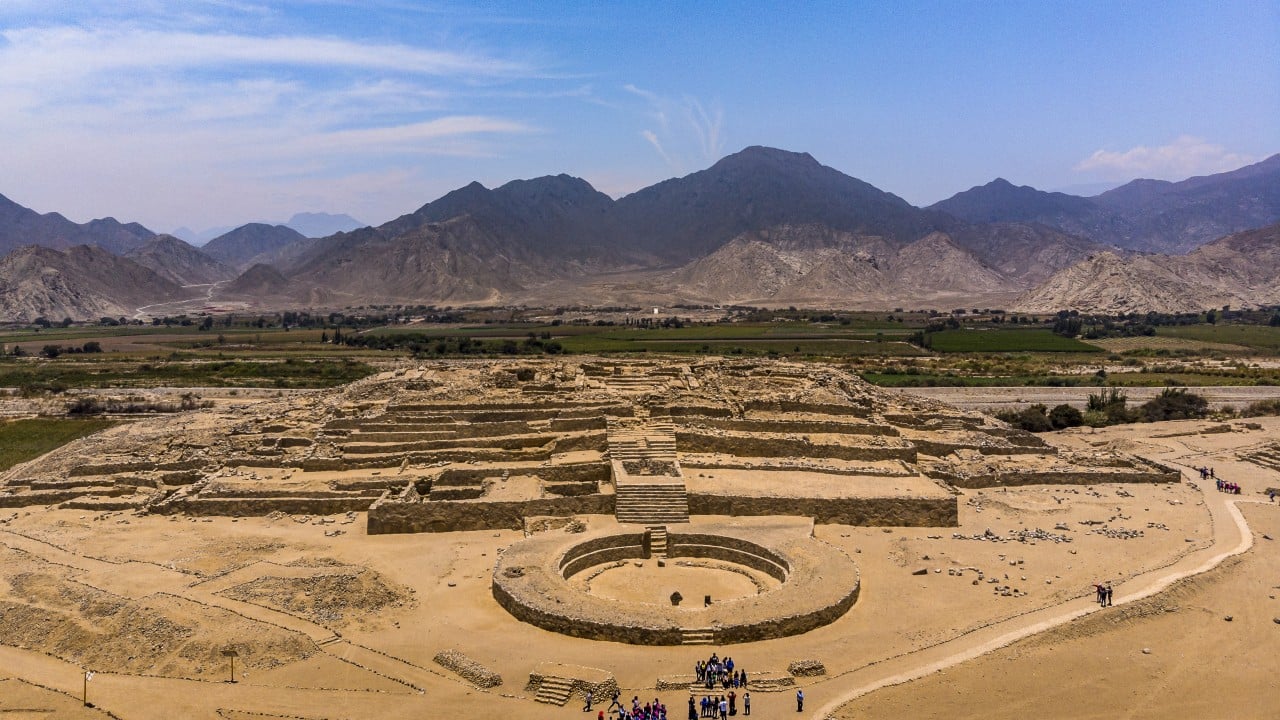
Scientists left this farm field alone. Thousands of orchids appeared
An abandoned farm field became a flourishing wildflower meadow within little more than a decade, with plant diversity doubling and thousands of orchids appearing naturally. The discovery suggests that simply giving nature time to recover could be a powerful and inexpensive tool for restoring biodiversity.
Scientists have observed a two-hectare abandoned farmland field in North Norfolk, England, transform into a vibrant wildflower meadow over 11 years without any human intervention. Led by Professor Carl Sayer from UCL Geography, the research, published in Restoration Ecology, challenges the notion that restoring species-rich grasslands requires costly commercial seed mixes.
Over the course of 2011-2022, the field, known as Sayer's Meadow, saw a doubling of plant species from around 10 to nearly 20, including locally rare species such as the southern marsh orchid and greater tussock-sedge. The meadow now hosts thousands of orchids and an increased population of yellow rattle, both indicators of successful restoration.
This study suggests that allowing natural ecological processes to occur can maintain genetic diversity and promote local species without the need for expensive interventions. Professor Sayer emphasizes the importance of patience over reliance on seed packets, highlighting the need for biodiversity restoration at large scales, especially in the UK and Europe.
The findings underscore the potential of natural regeneration in enhancing ecosystem resilience and providing habitat for pollinating insects, birds, and mammals.
Written by urgent.news from ScienceDaily's reporting — not their text. Machine-written — may contain errors; check the original before relying on it.