Chinese archaeologists heading to Peru for first joint project to explore ancient sites
Chinese archaeologists will carry out their first joint field project in South America by exploring sites dating back thousands of years in Peru as Beijing steps up its efforts to deepen cultural ties with the region. The Institute of Archaeology of the Chinese Academy of Social Sciences said it had signed a cooperation agreement with the Caral Archaeological Zone of the Peruvian Ministry of…
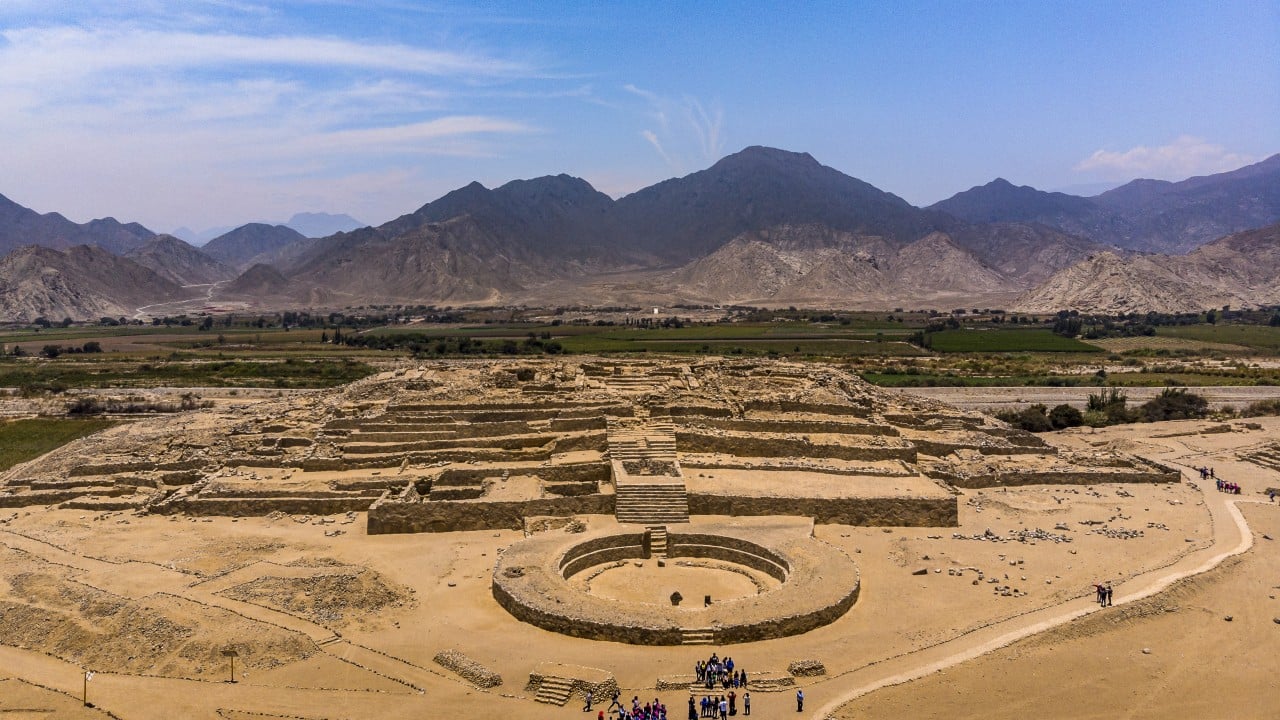
Chinese archaeologists are embarking on their inaugural joint archaeological expedition in Peru, marking the beginning of a significant collaboration to explore ancient sites dating back thousands of years. The Institute of Archaeology at the Chinese Academy of Social Sciences has signed a cooperation agreement with the Caral Archaeological Zone, overseen by Peru's Ministry of Culture and the National University of San Marcos' Professional School of Archaeology.
This partnership aims to delve into the sites linked with the ancient Caral civilization, which thrived along Peru's coast from approximately 3000BC to 1800BC.
The project will encompass a range of activities, including training sessions, field surveys, joint excavations, and initiatives to safeguard cultural heritage. Looking ahead, the collaboration will broaden to encompass the Inca period in the Andean highlands, fostering comparative studies between ancient Chinese and South American civilizations. The initial phase will focus on conducting field surveys of key Caral sites, such as Caral and Aspero, to formulate preliminary excavation strategies.
Chinese archaeologists will gain firsthand archaeological insights into early American civilizations, adding a unique academic perspective to the study of Pacific Rim societies. Conversely, Peruvian institutions stand to benefit from China's expertise in areas like archaeological technology and heritage conservation. In recent years, China has been intensifying its engagement with Latin American nations via bolstered trade relations and infrastructure ventures like the Chancay megaport, a response to economic pressures and geopolitical shifts.
The momentum for strengthening cultural ties between China and Latin America gained traction following cultural exchanges during Peruvian President Pedro Pablo Kuczynski's 2016 visit to China. These efforts were further cemented during President Xi's 2024 state visit, where both nations agreed to deepen cultural, performing arts, and educational collaborations, alongside joint heritage preservation initiatives.
Written by urgent.news from South China Morning Post's reporting — not their text. Machine-written — may contain errors; check the original before relying on it.
This story
This is one outlet's version. Read the fullest account.