Poetry for Engineers: Safe Distance
How do I touch you across the ocean, across cold depths where light travels through glass. Not copper—fibers. Optical. Through liquid glass, through flickering light that carries you in fragments. Light broken into pulses. You say: it’s easier this way. What are we missing like this? You smile. Safe distance. I say: network. Signals slide beneath the sea, through cables thinner than trust, faster…
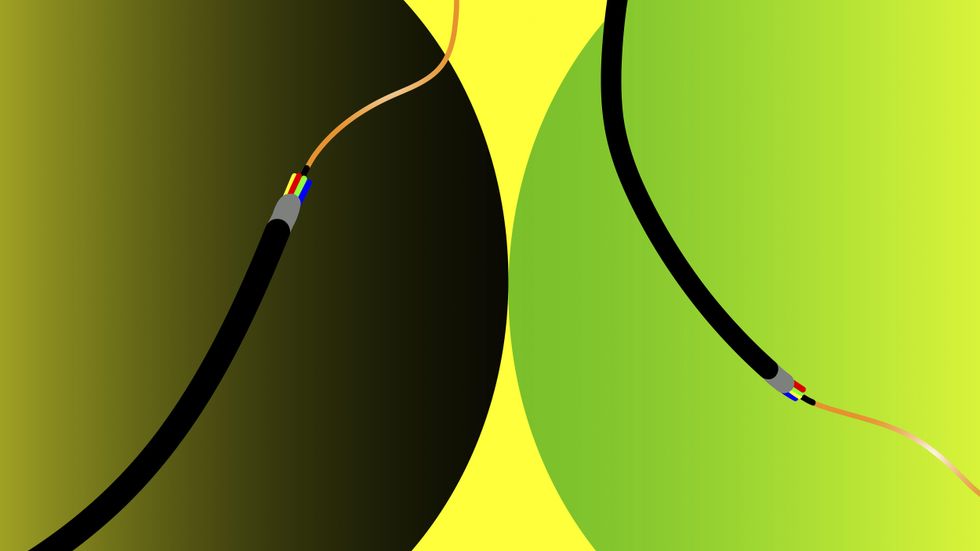
In the depths of the ocean, light travels through glass fibers, creating images that span miles. These images, broken into fragments, are carried by flickering light, conveying messages in pulses. The speaker says that this method is easier, and in response, the other person smiles. They speak of a "safe distance" and a "network," with signals sliding beneath the sea through cables thinner than trust.
These connections are faster than touch, yet slower than longing. The two stand alone, yet together, synchronous yet apart. Icons replace skin, and latency replaces breath. This distance protects them, creating silence that feels intentional. Everything is under control as long as nothing truly hurts. They choose this separation because it shields them from what they might become if they actually met.
The speaker is the counterpoint, the response, and the reflection of the other person, all of this, standing at a safe distance. Beneath the ocean, nodes remember paths, while packets shake hands without bodies. If they get lost, they resend everything, with errors, noise, and hope.
Written by urgent.news from IEEE Spectrum's reporting — not their text. Machine-written — may contain errors; check the original before relying on it.