Meta vuelve a abrazar la IA abierta
La compañía tecnológica estudia comercializar el excedente de capacidad de sus centros de datos como parte de una estrategia de inversión hacia modelos de inteligencia artificial abiertos. Leer
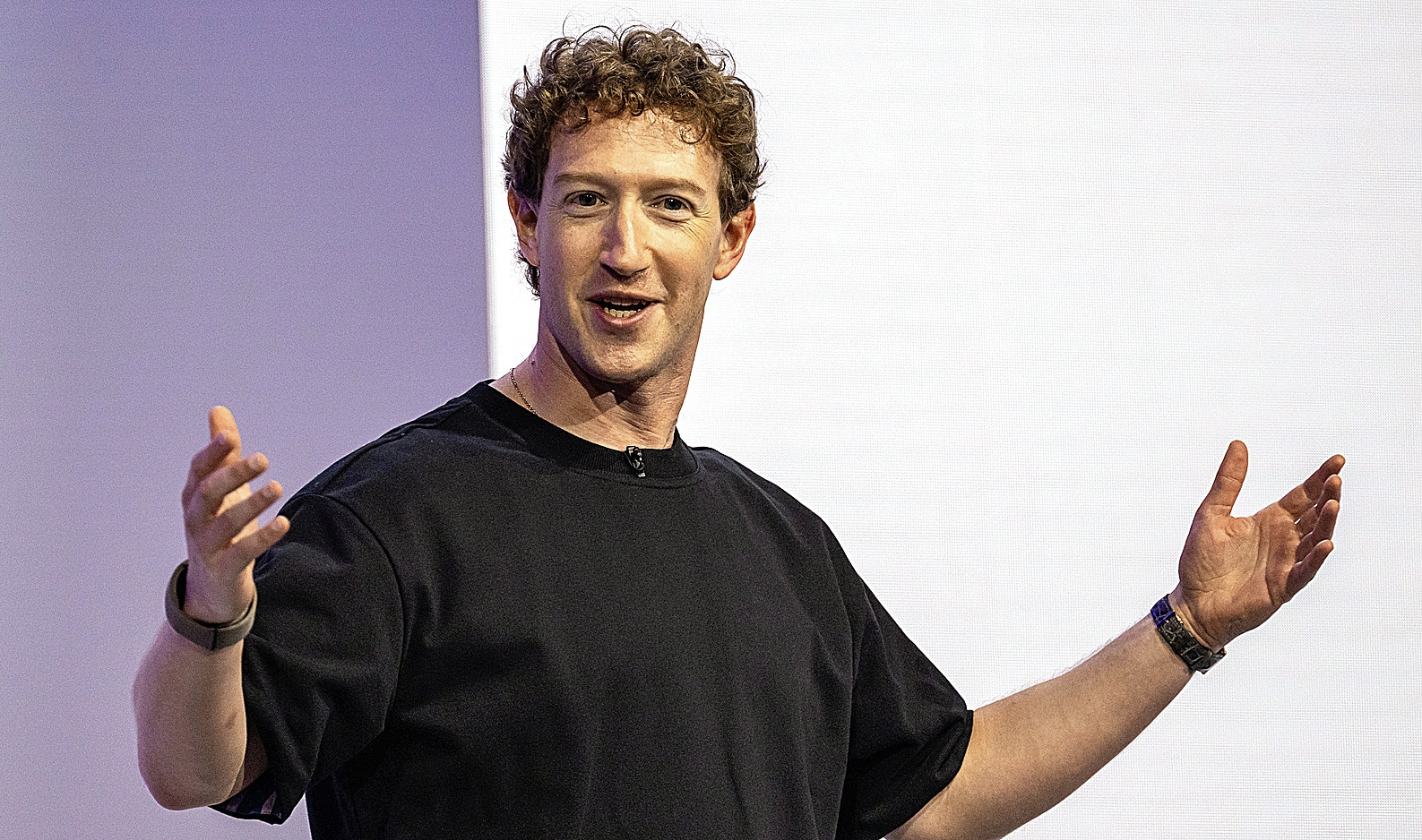
Meta CEO Mark Zuckerberg has become a prominent advocate for open-source artificial intelligence (AI) in opposition to models backed by OpenAI and Anthropic. In a multi-page essay, Zuckerberg argues for the necessity of empowering more people with the technology instead of centralizing superintelligence in a few laboratories. While OpenAI and Anthropic advocate for greater control over AI due to associated risks, Zuckerberg contends that promoting open models, which can be downloaded and modified freely by third parties, is crucial.
Meta initially championed AI openness under Chief Scientist Yan LeCunn, but this stance waned after LeCunn's departure last year. After Llama open models failed to gain technological leadership, Zuckerberg created an AI-focused division staffed with multimillion-dollar hires, led by young Alexandr Wang. Meta recently unveiled its new AI model, Muse Spark, a paid commercial model launched in July, which currently trails behind market leaders.
Meta initially refused to open its model weights for safety reasons. The company also announced Muse Code, a paid version for coding development. However, Meta has not abandoned open-source AI. The company announced Muse Glimmer, an open-source small model, which can run locally on personal computers. It will soon release the weights of Muse Spark 1.2.
Zuckerberg promises that Meta will continue to support the development of open-source AI models and believes limiting this ecosystem would be a mistake. This defense of open AI comes as Meta intensifies its AI bet with a multimillion-dollar offensive. The company anticipates $137.5 billion in capital expenditures (capex) this year due to rapid data center investments, possibly increasing to $215 billion in the next fiscal year, according to Deutsche Bank predictions.
This aggressive investment strategy could lead Meta to a negative cash flow for the first time in its history as a publicly traded company. In the second quarter, Meta's cash flow from operations dropped 91% to $784 million. While most of this computational power will be used to develop AI models, boost social media business, and deploy personal AI agents and new products, Zuckerberg hinted at potentially monetizing part of this computational capacity.
Jefferies estimates Meta's infrastructure utilization rate to be around 65%. However, in a market choked by hardware bottlenecks and energy scarcity, leasing some of this excess capacity could generate significant returns, according to the investment firm. Talks are ongoing for leasing compute capacity to AI lab Anthropic, potentially reaching $10 billion, according to Financial Times.
Another long-term revenue driver for Meta lies in the corporate adoption of its AI agents. According to a UBS analysis, the market undervalues the pace of adoption, which reached a million corporate accounts in just a month since its June launch. Meta plans to monetize this AI service starting in the second half of 2026. Zuckerberg confirms that AI agents will start generating revenue from early 2026.
Written by urgent.news from Expansion ES's reporting — not their text. Machine-written — may contain errors; check the original before relying on it.