Korea's AI ambition faces power crunch
Korea’s ambition to build a new generation of semiconductor, physical artificial intelligence (AI) and data-center industries is running into a basic but formidable constraint: electricity. A government assessment incorporating demand from its three “mega-projects” estimates that peak power demand could reach 158.4 to 165 gigawatts (GW) in 2040. That is roughly 27 GW higher than the projection…
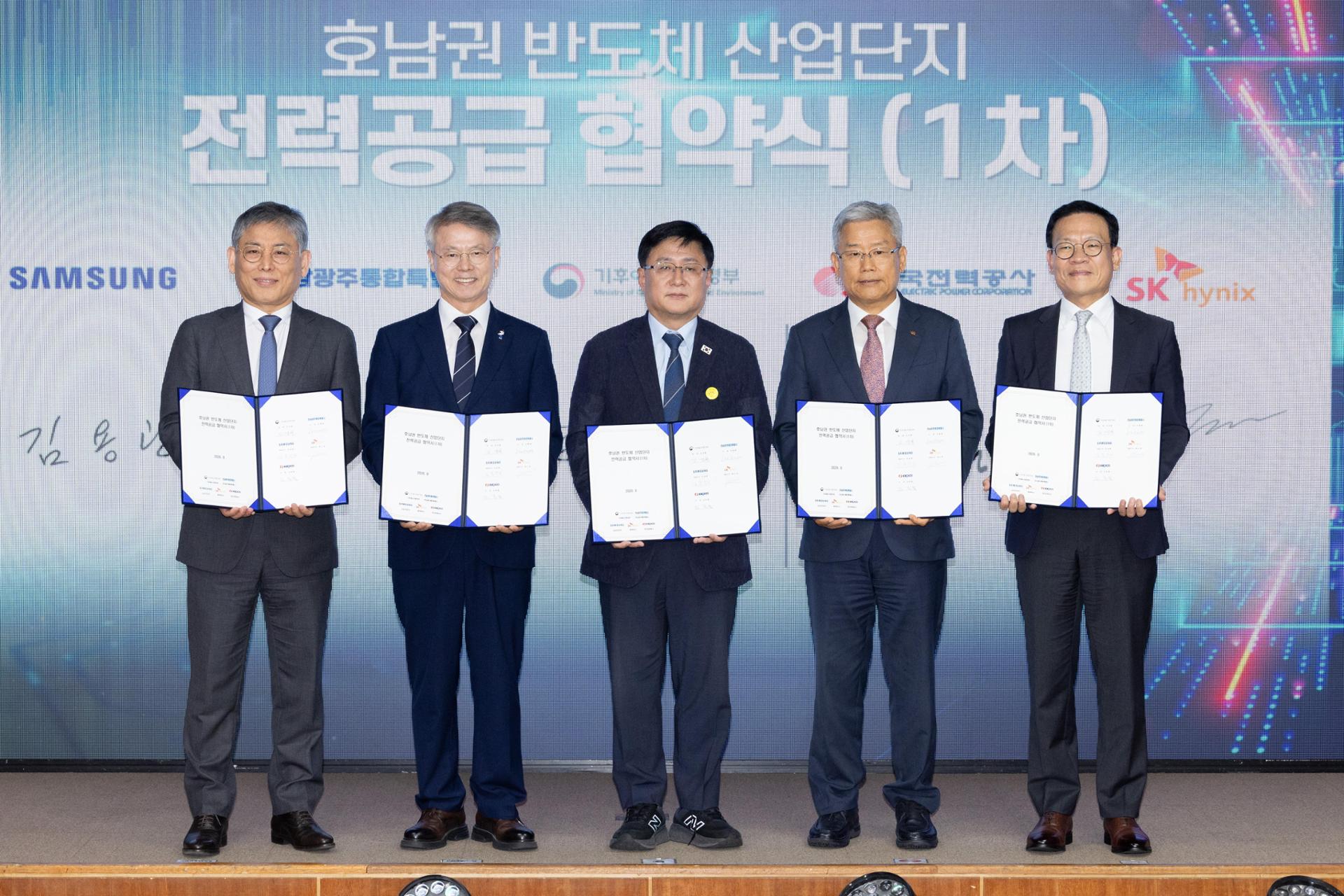
Korea's goal to develop a new generation of semiconductor, physical artificial intelligence (AI) and data-center industries is encountering a significant challenge: electricity supply. A government assessment, which includes projected demand from its three major projects, predicts that peak power demand could rise to 158.4 to 165 gigawatts (GW) by 2040.
This represents an increase of around 27 GW compared to the previous estimate from four months ago, amounting to the capacity of approximately 19 large 1.4-GW nuclear reactors. This substantial rise should serve as a wake-up call for the nation. Currently, Korea's peak demand is approximately 104 GW. Within 14 years, demand could potentially grow by more than half.
Korea's industrial ambitions will amount to little if the country cannot meet the electricity needs of the factories, data centers, and infrastructure supporting them. Building semiconductor clusters and attracting AI investment without ensuring a reliable power supply would be akin to constructing engines without fuel. The latest estimate, revealed at the fifth discussion meeting for the 12th Basic Plan for Electricity, highlights the critical need for Korea to secure its power supply to achieve its ambitious technological goals.
Written by urgent.news from The Korea Times's reporting — not their text. Machine-written — may contain errors; check the original before relying on it.
Also reported by 1 other outlet
- Korea's AI ambition faces power crunch koreatimes.co.kr