Kojonup adds names of long-forgotten soldiers to war memorial
A WA farming town has paused to honour 14 servicemen from WWI and WWII, at the 100th anniversary of its memorial hall.
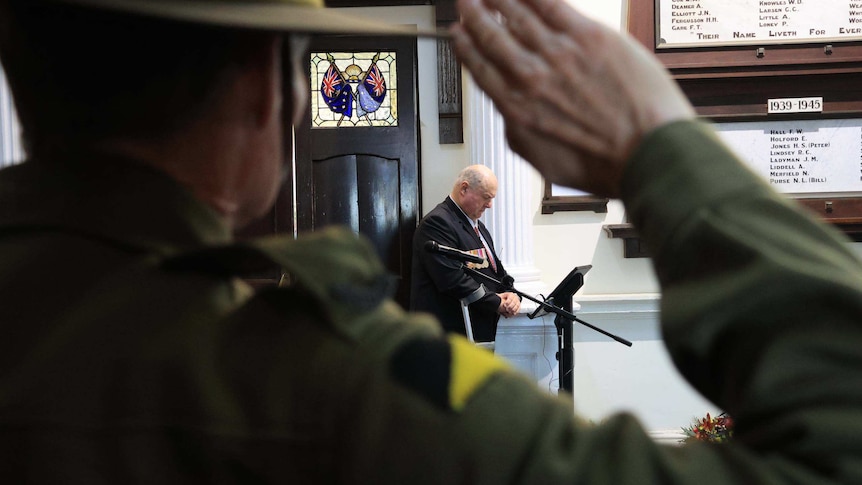
The rural town of Kojonup in Western Australia has recently added the names of 14 soldiers to its war memorial, more than a century after their deaths. This was done during commemorations marking the 100th anniversary of the Kojonup Memorial Hall, built in 1926 to honor those who lost their lives during World War I. The town, located 260 kilometres south of Perth, has a long history of service during wartime.
About 70 men from Kojonup perished in World War I and World War II, making up the majority of the town's fallen soldiers. Arnold Bilney, a 99-year-old former shire president, spoke at the event, emphasizing the importance of remembering Kojonup's past and how it shapes the town's future. He remembered many of the community's veterans who served in World War II and expressed his belief that the town's history is integral to its identity.
Local historian Robert Sexton explained that the town's deep connection to wartime heritage was evident in the 100th anniversary commemorations. He also noted that many descendants of soldiers from both World Wars still reside in Kojonup, keeping the memories of their forebears alive. Sexton worked to uncover the names of soldiers who were not initially listed on the memorial, likely due to poor communication during the early years of the wars.
The current shire president, Roger Bilney, expressed how significant the day was, as it allowed the town to establish the true number of its fallen soldiers. Most of these individuals were killed in action without known burials, making this a poignant moment of remembrance. The event brought about 150 people together, paying tribute to those who had been forgotten but now have a renewed place in Kojonup's history.
Written by urgent.news from ABC News AU's reporting — not their text. Machine-written — may contain errors; check the original before relying on it.