Is ‘Vande Mataram’ controversy a Shah Bano moment for Congress?
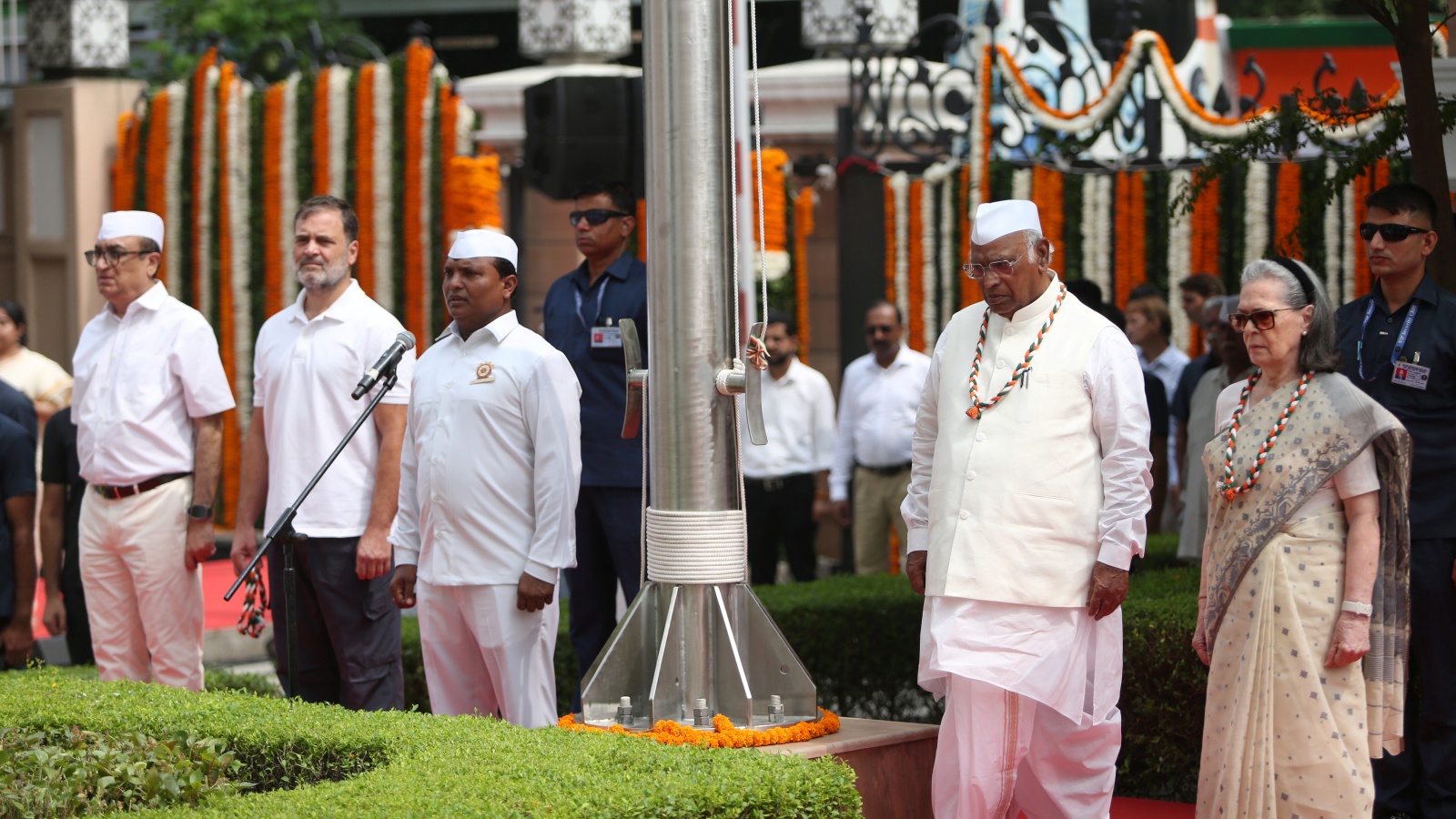
The Congress Working Committee's decision to perform only two stanzas of 'Vande Mataram' instead of the entire national song has been likened to the "Shah Bano" moment in India's political landscape. In 1985, the Supreme Court ruled that civil law would take precedence over Muslim personal law in divorce cases involving destitute Muslim women.
This decision led to widespread protests from Muslims, and Prime Minister Rajiv Gandhi, riding high in popularity, chose to support Muslim personal law by overriding the Court's ruling. This move inadvertently aided the BJP's cause, as it reinforced their claim that the Congress was constantly appeasing minorities at the expense of the majority community, ultimately contributing to the BJP's rise in power.
The political context today is markedly different from what it was in 1985. While the BJP now holds a decisive grip on India's political life, having won 240 seats in the Lok Sabha and formed a government with the support of JD(U) and the TDP, the Sangh Parivar is actively reshaping public culture. However, the Congress, under the leadership of Leader of Opposition Rahul Gandhi, has found renewed relevance among the youth by addressing issues such as the BJP's alleged attempts to undermine minority rights and cultural sensitivities.
The CWC's decision regarding the 'Vande Mataram' performance holds significant implications, as it could potentially be exploited by the BJP to revive the "appeasement" narrative against the Congress. While the decision may be legally and historically sound, the ultimate success of the Congress will hinge on its ability to effectively counter the BJP's propaganda and perception management.
The Congress faces a complex challenge in balancing its efforts to appease minorities while simultaneously maintaining the support of the majority Hindu community. Ultimately, the outcome of this decision will determine whether the Congress commits a "Shah Bano-like error" or successfully navigates the shifting political tides of India.
Written by urgent.news from The Indian Express's reporting — not their text. Machine-written — may contain errors; check the original before relying on it.
This story
This is one outlet's version. Read the fullest account.