'India could use water as weapon': Pak minister as IWT remains in abeyance
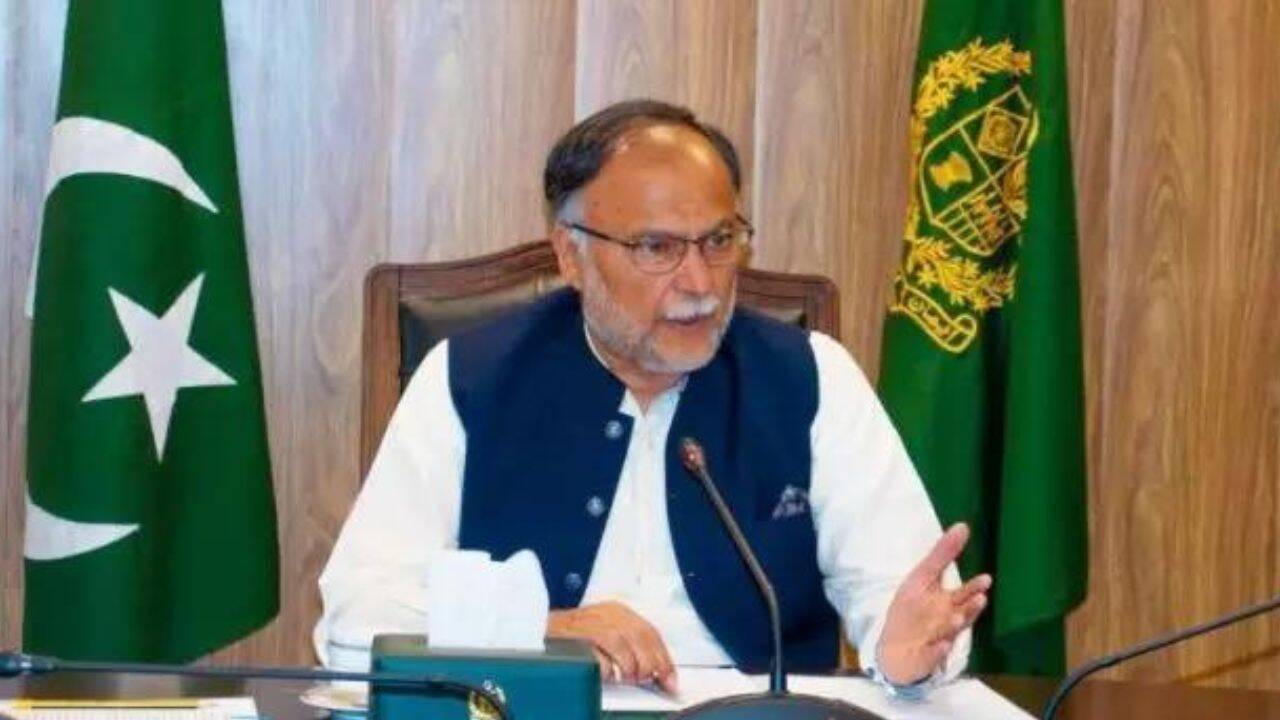
Pakistan's Minister Ahsan Iqbal warned that India could "weaponise" the Indus Water Treaty (IWT), expressing hope that "better sense" would prevail to avoid a potential water-based conflict between the two neighboring countries. The IWT, signed in 1960, has remained "untouchable" for nearly seven decades, but India has now unilaterally kept it in abeyance. Iqbal noted that this is the first time history may have seen water used as a weapon.
India and Pakistan have fought several wars, but the IWT was considered sacrosanct due to its international nature. Now, Pakistan fears that India could deny it water during critical times for agriculture, and release it when Pakistan does not require it. The minister emphasized that Pakistan would use all diplomatic channels to prevent future water-related conflicts, as the region remains the "least integrated" globally.
Iqbal stressed that South Asian countries should focus on development, poverty alleviation, illiteracy, and youth employment, rather than engaging in conflicts. He expressed concern over the possibility of India weaponizing water, warning that Pakistan cannot sacrifice the future of its 250 million people for its food security and water rights. Pakistan's Prime Minister, Shehbaz Sharif, had previously threatened a "direct response" if India unilaterally suspended the IWT.
Sharif declared water as Pakistan's "red line" and vowed to respond directly if India does not reconsider its stance. The IWT was put in abeyance following the Pahalgam terror attack in April 2021, after which Pakistani leaders repeatedly described the move as an "act of war."
Written by urgent.news from Times of India's reporting — not their text. Machine-written — may contain errors; check the original before relying on it.