‘Huge influx’: expat retirees projected to drive Hong Kong’s premium home demand
Hong Kong is tipped to see more luxury home sales with expatriates increasingly choosing the city as their retirement base, drawn to its low-tax environment as well as business opportunities, according to analysts. “A huge influx of expats who used to live in Hong Kong are moving back with a long-term view to retirement,” said Victoria Allan, founder and CEO of Habitat Property. “Many expats who…
Hong Kong is anticipated to witness a surge in luxury home sales as expatriates increasingly select the city for their retirement, according to analysts. The allure of low taxation and abundant business prospects has enticed a notable influx of foreign retirees, says Victoria Allan, founder and CEO of Habitat Property. "An abundance of expats who once resided in Hong Kong are returning with a long-term intention of settling down," Allan elaborates.
"Many individuals who would have otherwise emigrated to retire are now investing in property for the first time." High-end property transactions have been dominated by non-local executives and business pioneers, among others. A burgeoning number of ultra-wealthy expatriates are opting to maintain their residence in Hong Kong post-retirement, rather than relocating elsewhere, asserts William Lau, senior director and residential agency head at Knight Frank.
Approximately 30% of Habitat's recent sales were facilitated by expatriate clients. Traditionally, property buyers were primarily motivated by investment opportunities; however, clients are now also buying with a strategic retirement plan in mind, factoring in the long-term benefits of residing in Hong Kong, primarily for its favorable tax status.
Among the recent purchasers of upscale homes are Swire Pacific chairman, Guy Bradley, who acquired a HK$50 million (US$6.37 million) 2,832 sq ft property on Stanley Beach Road in September, and Sachin Tulshyan, managing director for equity products at Nomura Holdings, who bought a detached luxury house at Villa Rosa in Tai Tam for HK$75 million in December.
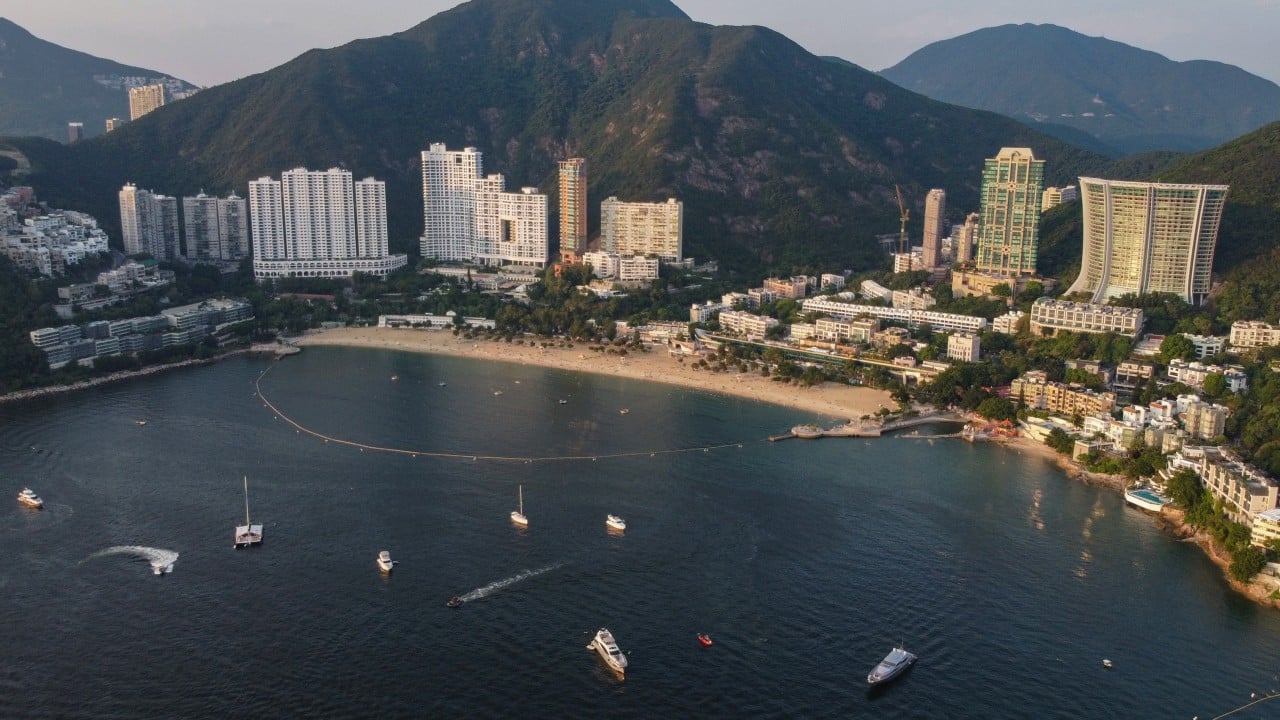
Allan also cites a recent sale of a penthouse at the Verano in Repulse Bay Road to an expatriate client "who is contemplating Hong Kong as a retirement base." Knight Frank has observed a similar trend, as noted by senior director and residential agency head, William Lau. "A growing number of ultra-wealthy expatriates are choosing to remain in Hong Kong beyond their working years rather than relocate," Lau states.
"Many possess deep-rooted personal, familial, and business ties in the city spanning decades, and they continue to value Hong Kong's status as an international financial hub, its low-tax regime, world-class healthcare system, exceptional connectivity, and premium quality of life." Hong Kong's salaries tax is capped at 15% for the first HK$5 million, a rate significantly lower than the UK’s progressive tax rates beginning at 20% and notably lower than the more than 50% levies in various European countries.
"Many affluent individuals who have traditionally maintained multiple residences globally are increasingly positioning Hong Kong as their long-term Asian base due to its convenience, lifestyle advantages, and proximity to vital business and familial interests throughout the region," explains Lau. Both Allan and Lau project a gradual wave of affluent retirees settling permanently in Hong Kong.
"From a residential perspective, many of these individuals are likely to pursue a 'rent first, buy later' approach," says Lau. "It would not be uncommon for them to lease prime residences with monthly rents surpassing HK$500,000 while familiarizing themselves with various neighborhoods and assessing their long-term needs before making a purchase."
Lau also mentions that a subset of this demographic comprises "ultra-wealthy retirees eager to acquire trophy assets immediately, particularly large single-family houses in prestigious districts such as The Peak, Deep Water Bay, Repulse Bay, Shouson Hill, and other high-demand low-density residential areas where privacy, exclusivity, and spaciousness are highly coveted."
Despite Hong Kong's continued allure for high-net-worth individuals in terms of business, investment, and wealth management, retirement presents a distinct scenario. Cathie Chung, senior director of research at JLL in Hong Kong, predicts higher premiums for prime properties, citing the city's constrained inventory. "The influx will lead to structural polarization within the residential sector," says Derek Chan Hoi-chiu, head of research at Ricacorp Properties.
"A flight-to-quality trend will separate ultra-luxury valuations, particularly in coveted enclaves like The Peak and Southern district, from the broader market. Additionally, there will be heightened demand for premier serviced luxury rentals as temporary accommodations prior to acquisition." Chan also emphasizes that while "general housing inventory remains abundant, true ultra-luxury stock, such as detached mansions on The Peak, Southside estates, or expansive penthouses, is exceptionally scarce."
He emphasizes that this "persistent shortage will sustain price resilience and prompt some buyers to acquire established, legacy properties for multimillion-dollar renovations." However, not all agencies foresee a substantial increase in demand. "While Hong Kong continues to attract high-net-worth individuals for business, investment, and wealth management opportunities, retirement is a different proposition," remarks Cathie Chung, senior director of research at JLL in Hong Kong.
"The city's high cost of living, particularly housing and day-to-day expenses, remains a significant consideration." A recent study by British financial advisory and wealth management firm St James’s Place found that two-thirds of ultra-rich expatriates residing in Hong Kong intend to retire in the city.
Written by urgent.news from South China Morning Post - Hong Kong's reporting — not their text. Machine-written — may contain errors; check the original before relying on it.