How Ananta Maharaj row exposed old fault lines over Netaji
Recent remarks questioned Netaji's freedom struggle contributions and the Indian National Army's achievements. Historical records and Nehru's statements contradict claims of him being a 'war criminal'. Bose's political journey involved disagreements with Congress and alliances for independence. Various political groups now claim facets of Netaji's ideology and nationalism. Debates continue over…
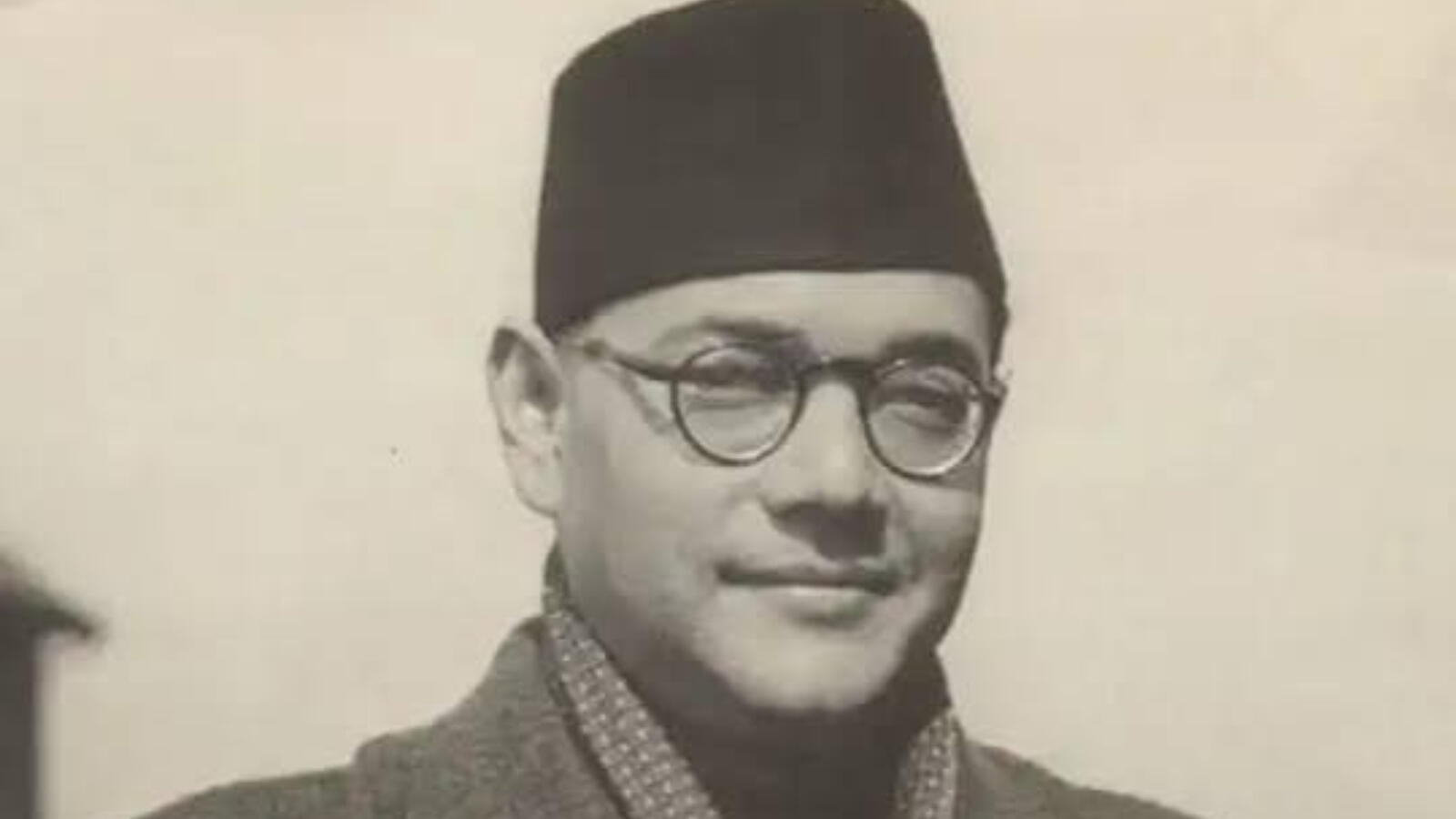
In January 1990s Kolkata, Netaji Subhas Chandra Bose's birthday was celebrated with political rallies, where leaders urged the youth to draw inspiration from his patriotism and ideals. Bose, a prominent Indian politician who disappeared before India's independence, left a lasting impact on people's minds. His political party, the Forward Bloc, which is now a junior partner in West Bengal's Left Front government, has faded in prominence.
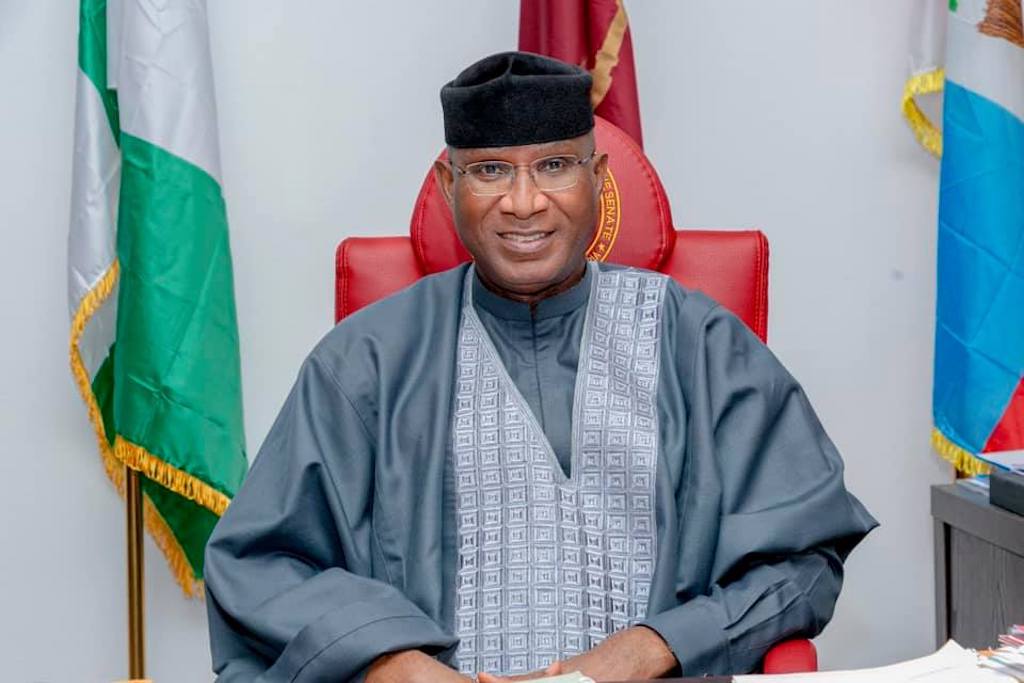
BJP Rajya Sabha MP Ananta Maharaj, also known as Ananta Maharaj, apologized for his harsh comments about Netaji. The controversy began when Maharaj accused Bose of being a war criminal, claimed the Indian National Army (INA) consisted mainly of British-Indian prisoners of war captured by Germany, and questioned the INA's contribution to India's independence. This led to the withdrawal of Bengal's highest civilian honor, the Banga Bibhushan, conferred by Mamata Banerjee's government on Maharaj.
In response, the Rajya Sabha MP insisted that his claims were based on material found in the National Archives and cited Jawaharlal Nehru's alleged description of Bose as a war criminal. However, declassified documents in 2016 revealed a different story. An alleged Nehru-to-Attlee letter from December 1945, which suggested Bose was a war criminal, turned out to be a later account of a dictation by Nehru's former stenographer, Shyam Lal Jain.
Nehru himself denied the war criminal label in multiple instances, including a 1945 conversation with an American journalist and a 1956 internal letter.
Interestingly, an archival footnote pointed to a 1956 Ministry of External Affairs file stating that Bose was never publicly designated as a war criminal. The Khosla inquiry, which investigated the matter further, concluded that Bose's name never appeared on a war-criminal list. The Forward Bloc leader's claims were also found to be at odds with the Ministry of External Affairs' historical research, which found no evidence to support the allegation.
Written by urgent.news from Times of India's reporting — not their text. Machine-written — may contain errors; check the original before relying on it.