Gurugram founder turns salon hair waste into mats that clean polluted water
Salons' discarded human hair has found a new life as pollution-absorbing mats. These innovative mats intercept contaminants in drains, preventing them from entering larger water bodies. Utilizing the natural oil-absorbing properties of keratin in hair, the HydroHair Barrier System has shown promise in pilot tests, leading to reductions in key pollution indicators.
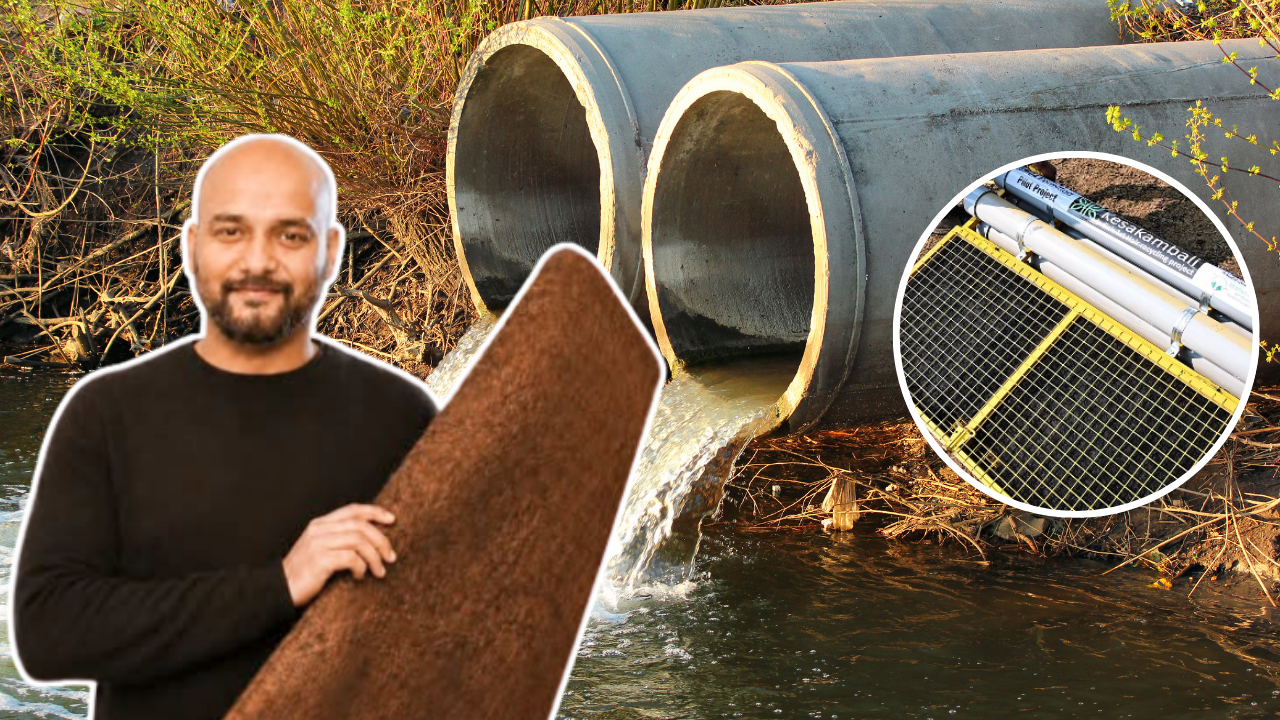
In Gurugram, a simple solution to polluted water is emerging from an unlikely source: discarded human hair from salons. Founder Rahul Gupta of the Kesakambali Foundation has turned this waste material into mats that can absorb oils and contaminants in polluted drains and waterways. The innovative HydroHair Barrier System uses mats made entirely from donated human hair, without synthetic fibers or chemical treatments.
The mats are placed in floating barriers in polluted drains, allowing water to flow through and trap suspended material and oil. As bacteria develop naturally on the mats, they help break down some organic pollutants. While the system cannot replace conventional sewage treatment plants, it improves their efficiency by reducing some pollution before wastewater reaches treatment infrastructure.
Initial tests showed a reduction in BOD levels and other pollution indicators, though the treated water did not meet government discharge standards. Once the mats have reached the end of their useful cycle, they can be disposed of through waste-to-energy processing or biologically treated to convert organic waste into mulch. The idea is simple yet potentially transformative, turning what is often seen as waste into a resource for cleaner water.
Written by urgent.news from Times of India's reporting — not their text. Machine-written — may contain errors; check the original before relying on it.