From Thumba to tomorrow: Indian space programme is preparing for its biggest leap yet
India's space program began with a small rocket range in 1962. It progressed to launching its first satellite and developing indigenous launch vehicles. Chandrayaan-3's lunar landing marked a significant achievement for the nation. The program now includes private sector involvement and ambitious future goals. India aims for a space station by 2035 and a lunar landing by 2040.
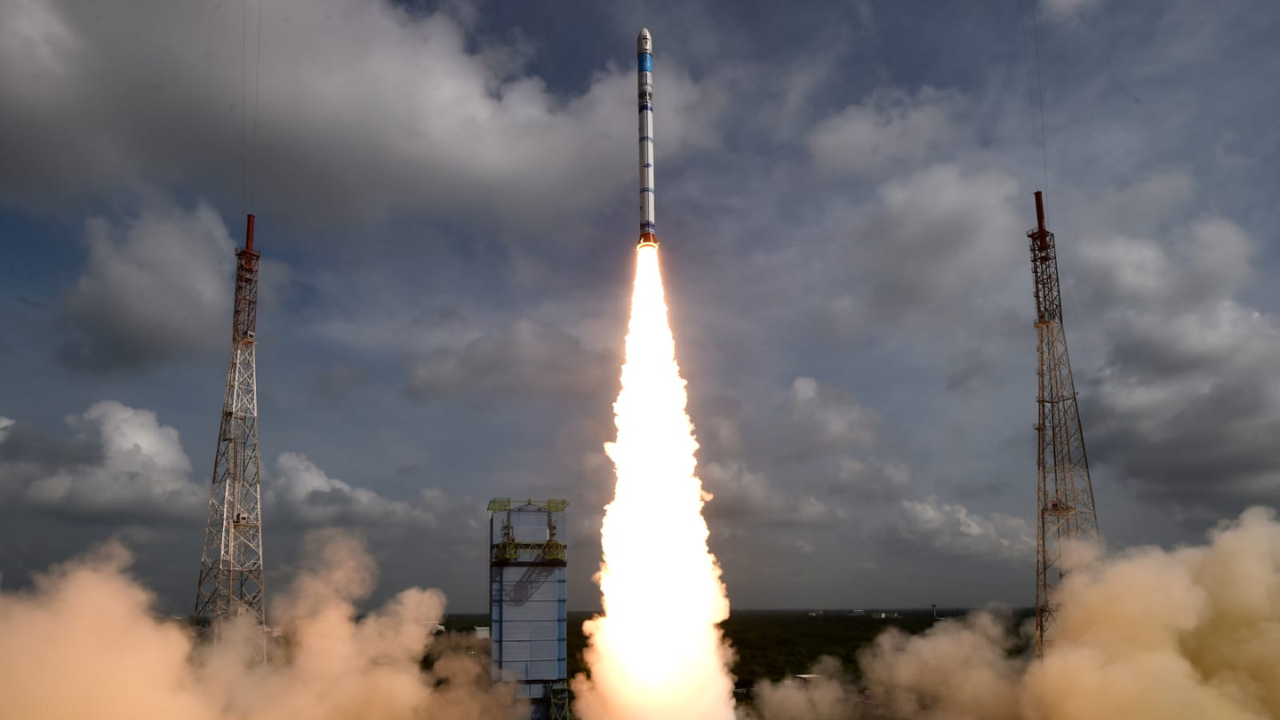
In 1962, India took the first steps towards establishing a space program with the creation of the Indian National Committee for Space Research, or Incospar. This led to the establishment of the Thumba Equatorial Rocket Launching Station in 1963, where India's first sounding rocket was successfully launched on November 21, 1963. Six years later, in 1969, the Indian Space Research Organisation (ISRO) was formed.
The government created the Space Commission and the Department of Space in 1972, bringing ISRO under its purview. Vikram Sarabhai's vision for the program was centered on finding practical applications for space technology in a country facing significant developmental challenges.
In the early 1970s, India launched its first satellite, Aryabhata, in 1975, marking a technological milestone. During the same period, the Satellite Instructional Television Experiment (SITE) and the Satellite Telecommunication Experimental Project showcased how satellites could be utilized to bring educational content and communication to remote areas.
As the 1980s approached, India shifted its focus towards developing its own means of reaching space, starting with the first experimental flight of the SLV-3 in 1979. However, it was not until the second experimental flight, on July 18, 1980, that the Rohini satellite was successfully placed into orbit, making India one of the few nations capable of launching satellites using an indigenous rocket.
The APPLE satellite demonstrated communication satellite capabilities, while the INSAT system laid the foundation for telecommunications, broadcasting, and meteorological services.
Written by urgent.news from Times of India's reporting — not their text. Machine-written — may contain errors; check the original before relying on it.