Apollo 15 brought back green glass beads; decades later they revealed lunar water
Apollo 15 astronauts found unusual green flecks on the Moon's surface. These flecks were later identified as volcanic glass beads containing trapped water. Researchers discovered hydrogen within these tiny beads, proving lunar water existed. This finding challenged the long-held belief that the Moon was extremely dry. The discovery revealed significant water presence deep within the Moon's…
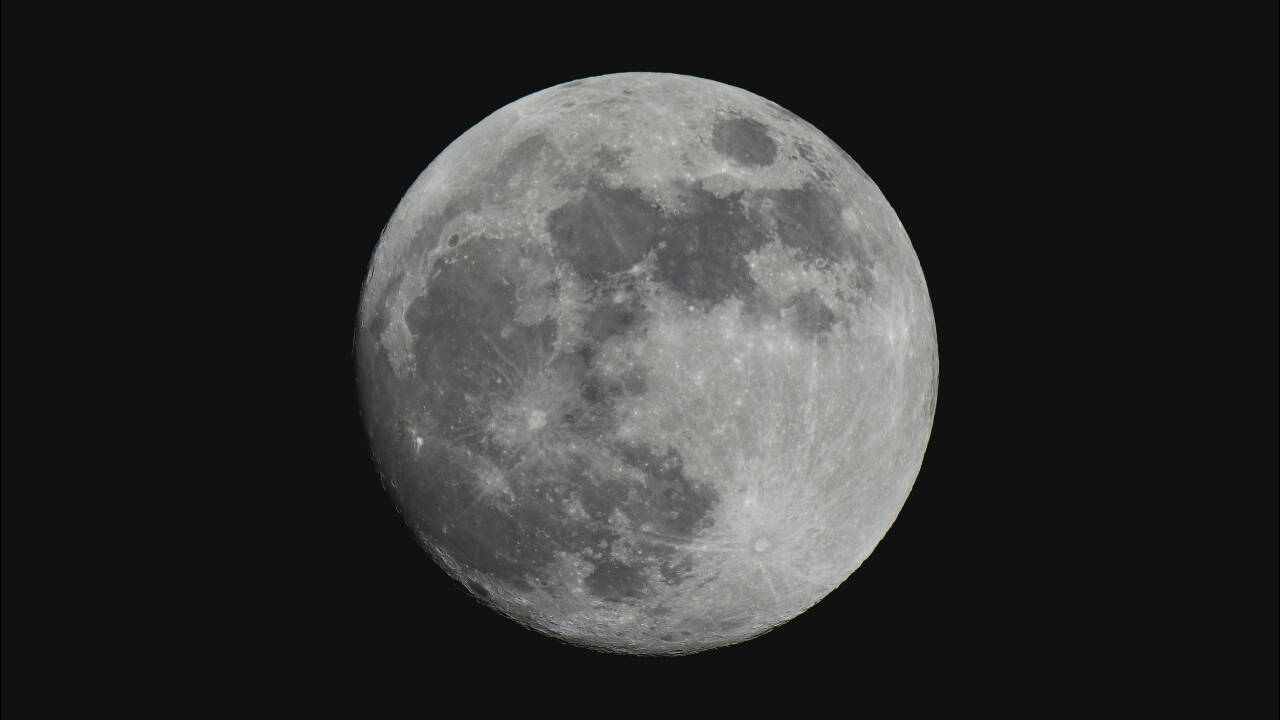
In July 1971, Apollo 15 astronauts David Scott and James Irwin ventured to the Moon's surface. During their exploration, they came across unusual green flecks on the otherwise grey lunar landscape. Unbeknownst to them at the time, these tiny green particles would later provide significant insights into the Moon's mysterious water content. The astronauts collected these samples and transported them back to Earth, unaware of the scientific significance they would hold decades later.
Brown University researchers discovered water trapped within the volcanic glass beads during a study in 2008. This breakthrough provided the first definitive evidence that water existed deep within the Moon when the beads formed during ancient volcanic eruptions. The discovery challenged the long-held belief that the Moon was essentially a dry and barren world.
Apollo 15 was the first of NASA's J-type missions, designed to carry advanced scientific equipment and provide astronauts with increased time and mobility on the lunar surface. During their 19-hour lunar exploration, Scott and Irwin studied the surface near the Apennine Mountains and Hadley Rille, collecting various rocks and soil samples for analysis back on Earth. It was during one of these excursions that they discovered the green material.
The green flecks were not ordinary rocks but rather volcanic glass formed when molten material erupted from the Moon's interior and rapidly cooled on the surface. This detail made the samples highly valuable to scientists, as volcanic glass preserves information about the molten material from which it originated. By analyzing the glass's chemistry, scientists could investigate conditions inside the lunar body itself.
Initially, early Apollo samples suggested that the Moon was extremely dry. However, as technology advanced, researchers re-examined lunar soil samples from the Apollo missions and found traces of water. In 2008, Brown University's Alberto Saal and his colleagues detected hydrogen in the volcanic-glass beads from Apollo 15 and Apollo 17 missions, confirming the presence of water within the Moon's interior.
This discovery raised a more significant question: how did water survive inside the Moon, given the extreme conditions believed to have existed during its formation? Scientists previously thought that volatile substances such as water would have been lost during the Moon's formation. However, the presence of water in the volcanic glass provided evidence that at least some water had survived despite the intense heat and pressure associated with the Moon's creation.
Further research in 2011 revealed that water concentrations in the glass beads were comparable to those found in some terrestrial basalts, suggesting that parts of the lunar mantle could contain substantial water. Apollo 15's tiny green beads thus became an essential clue about the Moon's hidden interior. What initially appeared as mere strange flecks on the Moon's surface eventually transformed into a major piece of evidence supporting the existence of water on the lunar surface and beneath its surface.
The discovery has since played a crucial role in reshaping scientists' understanding of lunar water today. NASA now recognizes evidence for water in various forms and locations across the Moon, including permanent shadowed regions and even sunlit areas. These findings underscore the importance of even the smallest lunar samples in preserving evidence of ancient worlds and how revisiting older samples with advanced technology can redefine our understanding of Earth's closest neighbor.
Written by urgent.news from Times of India's reporting — not their text. Machine-written — may contain errors; check the original before relying on it.