Ebola day 100: why this outbreak could become the deadliest in history – video explainer
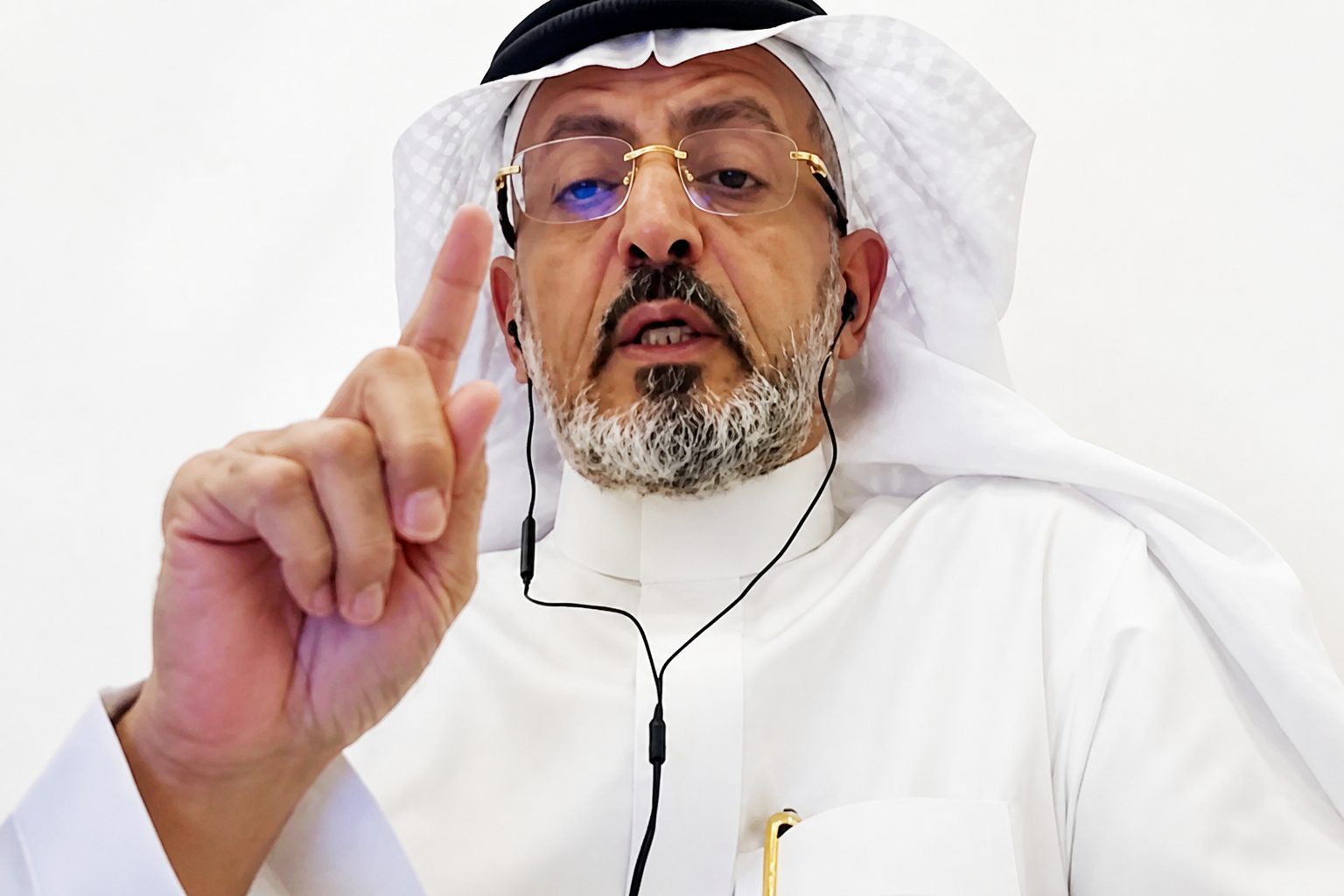
More than 2,000 people have died from Ebola in the Democratic Republic of the Congo since the first case of this epidemic was recorded in May. The Guardian's global health correspondent, Kat Lay, spoke to CDC Africa's Yap Boum II to understand why health teams on the ground are struggling and what is being put in place to try to contain the spread Ebola outbreak in Democratic Republic of the…
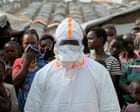
A deadly Ebola outbreak in the Democratic Republic of the Congo (DRC) has claimed over 2,500 lives in its 17th recorded outbreak, lasting 100 days. Community involvement is crucial for halting the spread of the disease; local representatives involved in the response emphasize the importance of involving communities in the fight against Ebola.
Communities possess the knowledge required to identify illness early, alert health teams, trace contacts, combat misinformation, and support families through treatment and burial procedures. The government of the DRC must ensure that the response moves swiftly by leading alongside national authorities and health workers. The health workers, laboratory teams, contact tracers, community health workers, and burial teams are working tirelessly under challenging conditions, often in insecure areas.
Their safety is essential to stopping transmission. The response has achieved progress, with national authorities, Congolese responders, the World Health Organization (WHO), the Africa Centres for Disease Control and Prevention (Africa CDC), and partners expanding surveillance, deploying laboratories, supporting treatment centers, reinforcing infection prevention, and delivering essential supplies.
Uganda has successfully interrupted transmission, proving that the Bundibugyo Ebola virus can be stopped. The DRC's village-centred strategy involves bringing the response to the places where transmission occurs, ensuring surveillance, testing, treatment, vaccination, infection prevention, and community engagement operate together close to affected families.
Community leadership will determine the success of this strategy. Women's groups, young people, religious leaders, traditional healers, survivors, and community health workers hold vital knowledge about where families seek care, how information moves, and where trust is weakening. Their concerns must be addressed promptly, and they must see action from response teams.
Trust is earned through delivery. Families needing safe transport and immediate care for suspected cases, clear information about vaccines, and compassionate support through safe burial procedures, along with protected health facilities, are essential to achieve success. Financing must be predictable, reaching the response for surveillance, laboratories, treatment, vaccination, logistics, infection prevention, and community engagement.
Health workers must receive timely payment and access to supplies, as delayed financing costs lives. Cross-border coordination must remain strong, with rapid information-sharing, aligned surveillance, and prepared health facilities along major routes. The first 100 days have highlighted the priorities: finding every case, following every contact, protecting every frontline worker, and bringing testing, treatment, and vaccination closer to affected communities.
Turning pledges into action is crucial. Africa CDC will continue working with the DRC and neighboring countries, communities, and partners to bring international and continental cooperation behind the nationally led response. The outbreak can be ended; Uganda has demonstrated what focused leadership and community action can achieve, and the DRC can replicate this success.
Written by urgent.news from Guardian Health's reporting — not their text. Machine-written — may contain errors; check the original before relying on it.
This story
This is one outlet's version. Read the fullest account.