Divorcing devices: how digital detox helps Hongkongers ‘carve out moments’
In the second instalment of a five-part Health Matters wellness series on Hong Kong’s growing wellness trends, Fiona Sun looks into how residents are embracing digital detox, as experts warn that excessive screen use is linked to anxiety, depression and sleep disorders. For Robert Broad, stepping away from electronic devices has become part of a self-care routine he developed after the Covid-19…
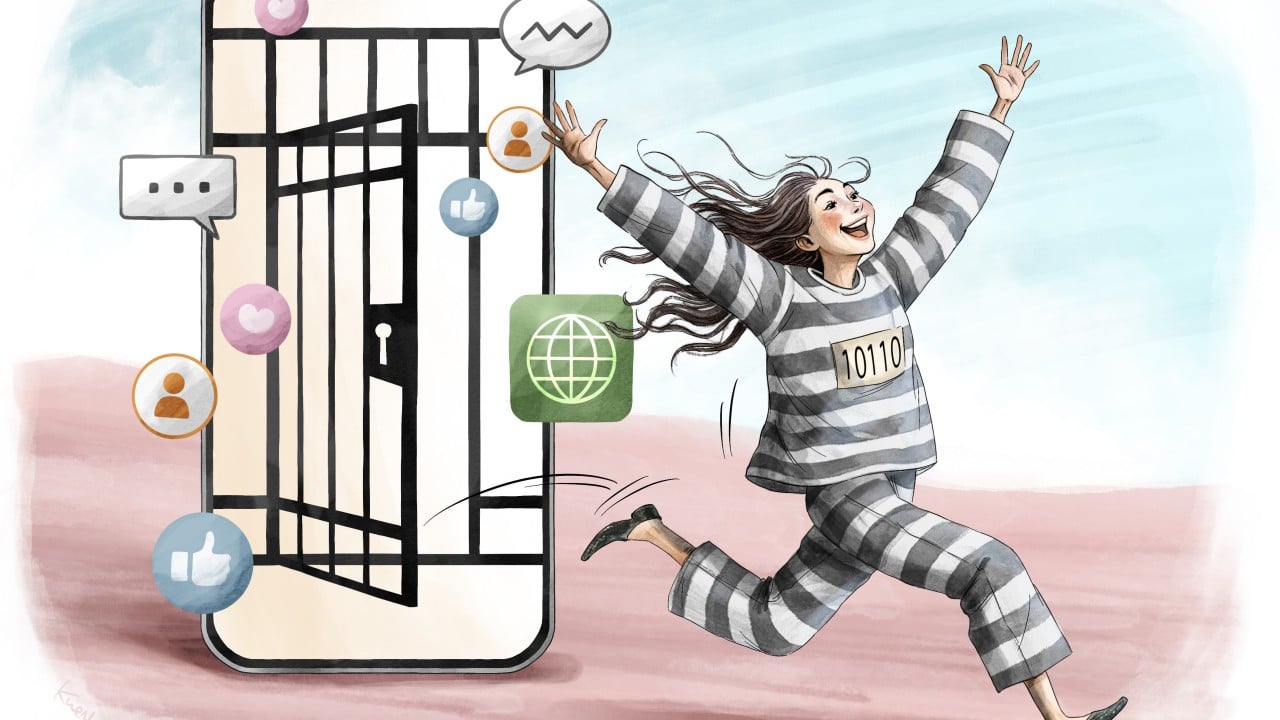
In the latest installment of a wellness series on Hong Kong's digital habits, Fiona Sun explores how residents are turning to digital detox as a means to combat anxiety, depression, and sleep disorders. Robert Broad, a 56-year-old father, found himself struggling with anxiety, poor sleep, and weight gain due to excessive screen time while working remotely during the pandemic.
To regain balance, he established a self-care routine, including putting his phone in a drawer upon returning home, disabling news alerts, and checking emails in batches. Electronic devices are prohibited at the dinner table and bedroom, and he occasionally leaves his phone at home during weekend walks with his dog. Broad, who founded Look Up Hong Kong to promote children's well-being in the digital age, emphasizes the importance of creating small, repeatable screen-free moments in daily life.
In a city where 96.8% of people aged 10 and above own smartphones and 96.4% have used the internet, digital detox has become a coping strategy for managing stress, improving sleep, and reclaiming attention in an always-on culture. While not officially recognized as a medical condition, excessive digital device use has been linked to inattention, emotional problems, and sleep disorders.
Clinical professional consultant Chan Kai-tai warns that even young people and older residents are increasingly susceptible to unhealthy digital habits. Simple strategies to mitigate these issues include turning off non-essential notifications, setting screen-time limits, keeping phones away from the dinner table and bedroom, and replacing screen time with offline activities. If screen use becomes uncontrollable, seeking professional help is advised.
Written by urgent.news from South China Morning Post's reporting — not their text. Machine-written — may contain errors; check the original before relying on it.