China’s overlooked internet army is quietly embedding AI into everyday businesses
While China’s new “AI tigers” have captured global attention for challenging Silicon Valley front-runners, a quieter wave of domestic technology companies is building in-house artificial intelligence systems serving everyday users. Beyond pure-play AI labs like DeepSeek, Z.ai (also known as Zhipu AI), Moonshot AI and MiniMax, consumer-facing platforms that span e-commerce, video gaming, social…
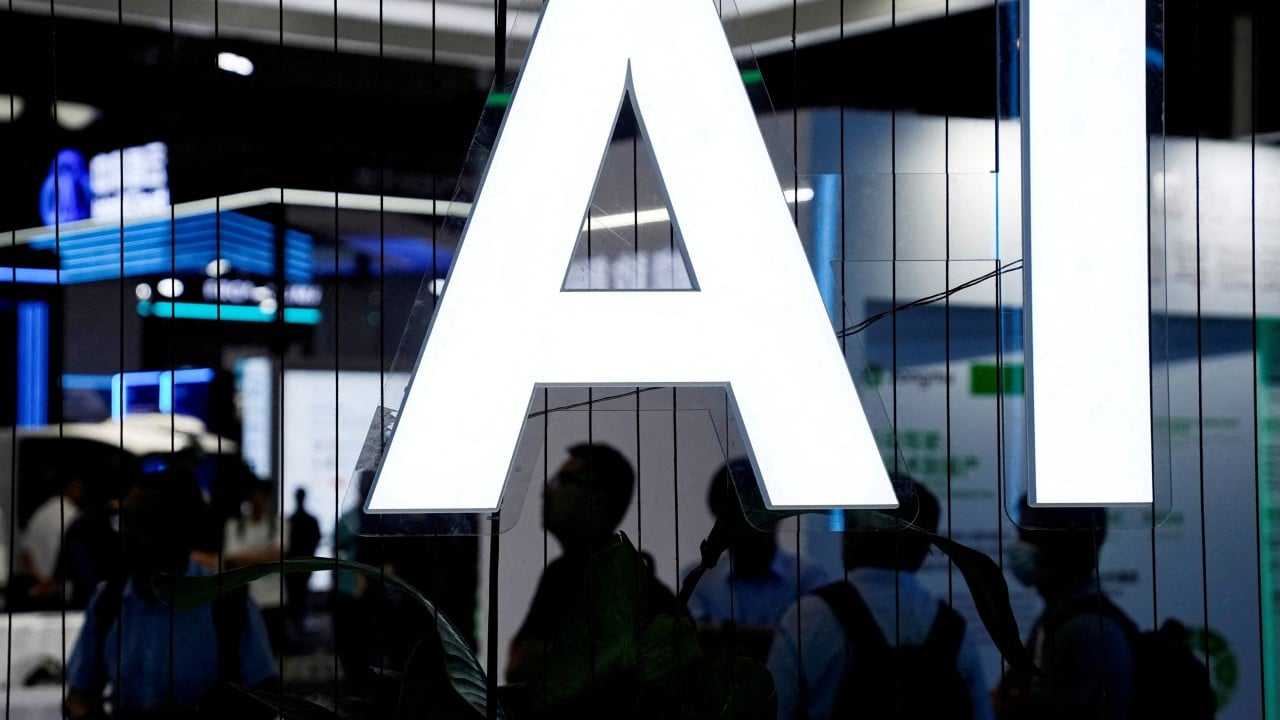
While China's "AI tigers" have garnered global attention, a more subtle expansion of domestic AI capabilities is quietly taking place within consumer-facing businesses. Platforms spanning e-commerce, video gaming, social media and travel are developing proprietary AI systems to integrate into their business ecosystems, drawing less attention compared to pure-play AI labs.
RedNote, a lifestyle platform often compared to Instagram, demonstrated this trend with its AI research arm Dots Studio's release of Dots3-Note Preview, a 280-billion-parameter open-weight model. This system reportedly matched or outperformed models from US AI labs and domestic rivals in specific tasks. Dots Studio's aim was to build AI that benefits everyone and solves everyday life problems.
This effort reflects a broader shift in China's technology sector, where digital platforms are increasingly building custom AI models to cater to their specific needs. Analysts say that for non-AI companies, investing in AI is driven by the critical role AI plays in operational efficiency, demand prediction, personalization, and new revenue streams.
Examples include Meituan's LongCat model family for merchant services, logistics, customer support, and recommendations; Trip.com's travel-focused AI system Wendao for itinerary planning, customer service, and travel recommendations; and Bilibili's Index family of language models, including IndexTTS, for AI subtitles, translation, video creation, and voice generation.
Gaming developer miHoYo has also turned to AI with Glossa, an in-house generative AI model used for making game characters more interactive in games like Honkai: Star Rail. However, the development of in-house AI infrastructure comes with significant challenges such as data quality issues, regulatory concerns, talent shortages, and integration complexities with existing systems.
Written by urgent.news from South China Morning Post's reporting — not their text. Machine-written — may contain errors; check the original before relying on it.