Bengaluru’s parking overhaul: Who pays, where you can park and who enforces it | Explained
The new rules envision a structured way of implementing paid parking through the identification and expansion of parking spaces across the city, while also seeking to monetise free spaces and residential stretches for paid parking
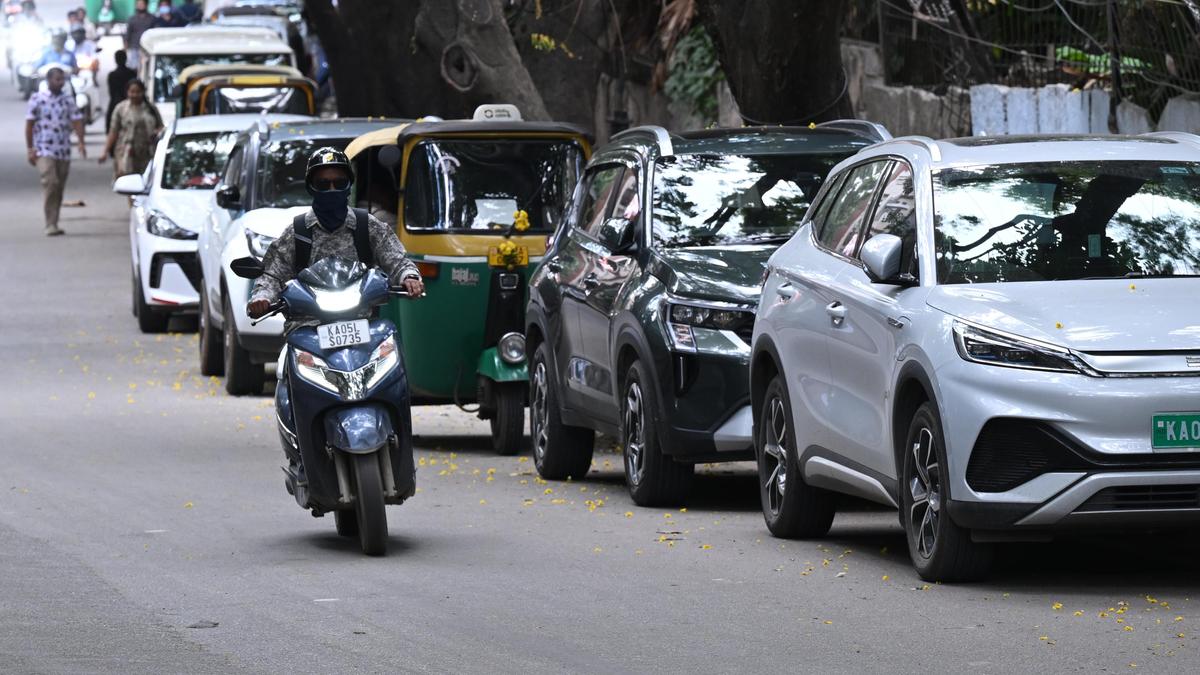
On August 11, the Karnataka government released a draft notification proposing significant changes to Bengaluru's parking system under the Greater Bengaluru Authority (Parking) Rules, 2026. The new rules aim to overhaul the current paid parking infrastructure in the city, following the Karnataka government's 2021 notification of the Directorate of Urban Land Transport's (DULT) Bengaluru parking policy.
The draft rules envision a comprehensive approach to paid parking, including identifying and expanding parking spaces, monetizing free spaces and residential areas for paid parking, and encouraging off-street parking to accommodate more vehicles.
However, the proposed changes have received mixed reactions from citizens. While some welcome the structured implementation of paid parking, others have criticized the pricing and residential parking provisions, particularly the permits required for parking in residential lanes. Citizens may have to pay up to ₹25,000 to park their cars in these smaller stretches, leading to substantial criticism.
The new rules mandate the purchase of permits for parking four-wheelers on any residential street in the city, with minimum annual residential parking permit fees of ₹15,000 for hatchbacks, ₹20,000 for sedans, and ₹25,000 for SUVs. Corporations may also impose additional administrative fees for issuing permits.
Critics argue that the new system will force residents to park their vehicles in expensive off-street parking facilities, as residential lanes will be limited to permit holders. Furthermore, the regulations have been deemed morally questionable, as city corporations have previously issued occupancy certificates without verifying building violations.
The Parking Task Force responsible for implementing the new rules will consist of the corporation commissioner, deputy commissioner of police, RTO officers, and the executive engineer of the traffic engineering cell. The task force will develop area-wise parking plans, identify spaces for development, and oversee the implementation of plans based on an assessment of parking needs and road classifications.
Written by urgent.news from The Hindu's reporting — not their text. Machine-written — may contain errors; check the original before relying on it.