A California house painter taught himself about gibbons 50 years ago — and now his center is a world-leading rescue facility
The Gibbon Conservation Center cares for some 40 gibbons today, whose singing can sometimes be heard a mile away in the outskirts of Santa Clarita.
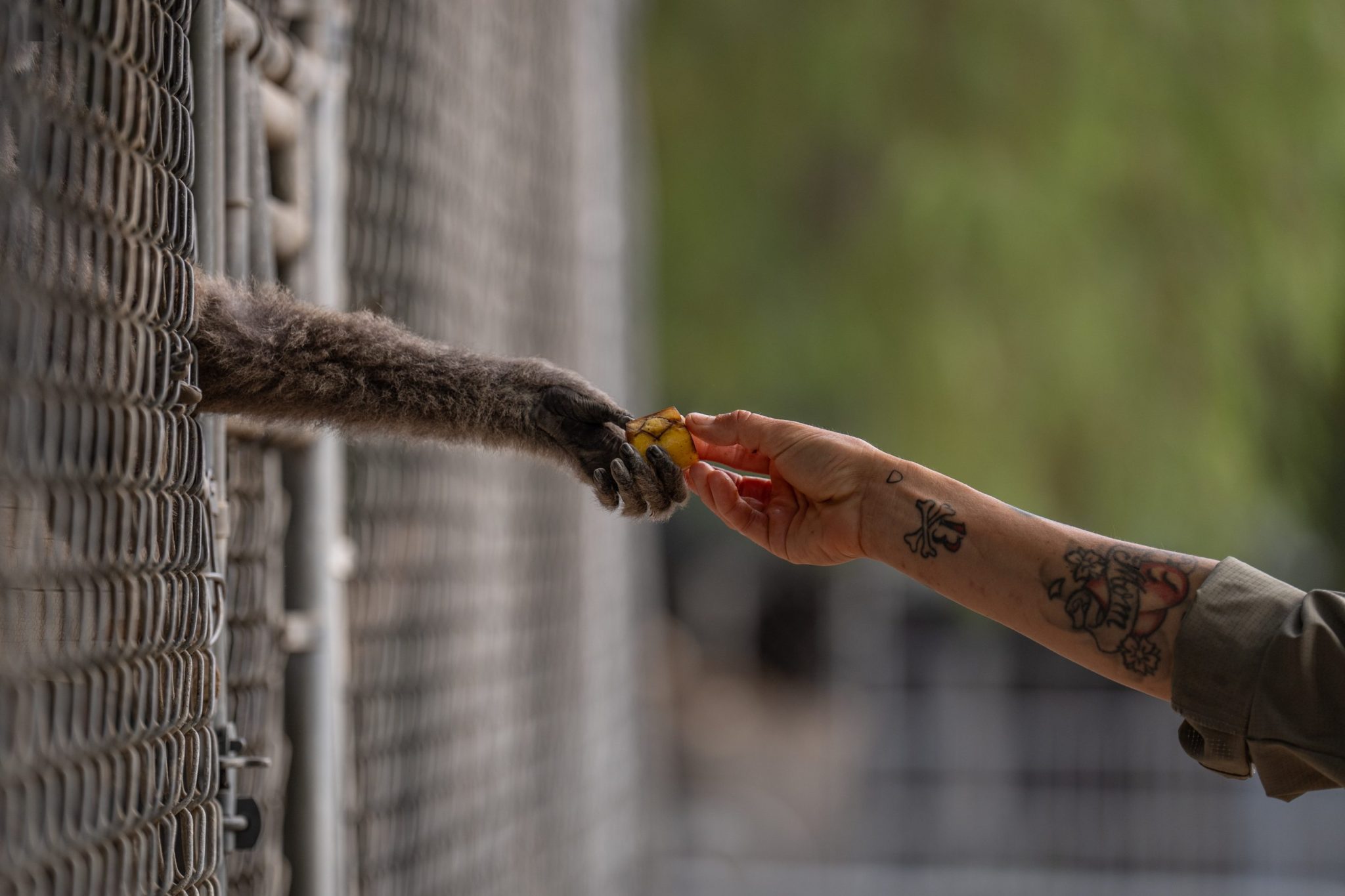
Far from the bustling streets of Santa Clarita, a dedicated painter named Alan Mootnick discovered a newfound passion for gibbons over five decades ago. Little did he know that his home-based conservation efforts would blossom into a world-renowned sanctuary for these rare primates. Today, the Gibbon Conservation Center houses around 40 gibbons belonging to five distinct species.
Known for their distinctive singing, these critically endangered animals draw attention even from neighboring homes. Alan Mootnick, a self-taught primatologist who ran a painting and remodeling business, dedicated his life to studying and caring for gibbons while publishing scientific papers and collaborating with researchers globally.
After Mootnick's untimely death in 2011, Gabi Skollar, a Hungarian immigrant who had joined the center a few years prior, took over his mission. Now, Skollar lives on-site with fellow caretakers, nurturing the gibbons and conducting research on their vocalizations at UCLA. Gibbons face threats such as habitat destruction and wildlife trade, pushing some species to dangerously low populations.
The center has made a significant impact by successfully breeding the endangered Javan gibbon, and they're sending a pair of northern white-cheeked gibbons to the Pittsburgh Zoo. Guided tours are available to visitors on weekends, allowing people to witness the captivating gibbons up close and learn about their plight.
Written by urgent.news from Fortune's reporting — not their text. Machine-written — may contain errors; check the original before relying on it.