Moth released for biocontrol later became a threat to native US prickly pears
The Argentine cactus moth, an invasive species from South America, has begun its march across the southern United States, threatening the delicate balance of native prickly pear cactus populations. Initially identified in Florida in 1989, its westward movement raises alarms among scientists regarding potential ecological disruptions in the southwestern U.S. and Mexico. Control measures, including…
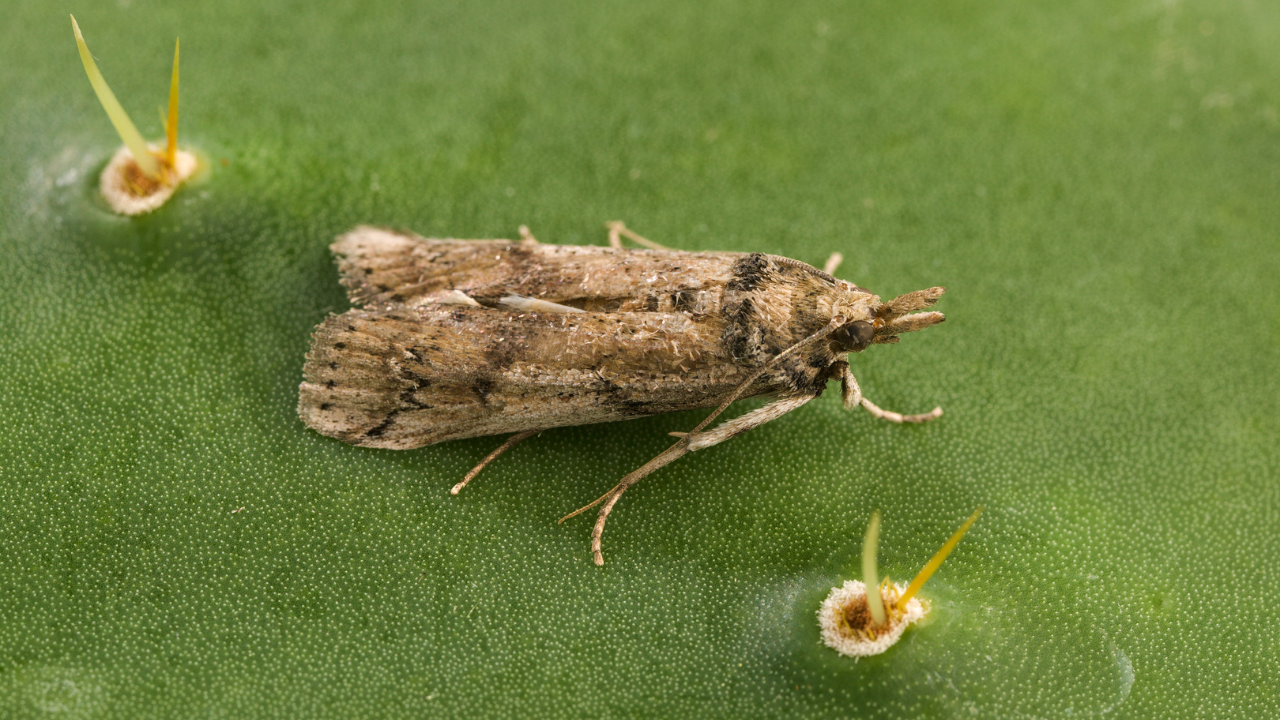
An Argentine cactus moth, once used as a biological control agent in South America, is now posing a serious threat to native prickly pear cactus populations in the southern United States. First detected in Florida in 1989, the moth has spread along the Gulf Coast and has established breeding populations in several states, including Georgia, Alabama, Mississippi, Louisiana, and parts of Texas.
Native to South America, the moth was intentionally released in the Caribbean to control invasive prickly pear species in the mid-20th century. Despite its success in Australia, the moth eventually spread across islands and reached Florida.
The moth's larvae cause significant damage to cactus plants by feeding on the inner tissue, leaving hollow, translucent pads and making them vulnerable to infections. This destruction weakens the plants and can eventually lead to their death. Cactoblastis cactorum threatens almost all species in the Opuntia genus. The moth's arrival has raised concerns for rare and endangered native cacti, such as the semaphore cactus, which has a limited range in Florida.
To control the moth's spread, federal and state agencies have employed various methods, such as the Sterile Insect Technique (SIT), which involves releasing sterile male moths to reduce the reproduction of wild females. Researchers are also exploring natural predators and parasitoids from South America to combat the invasive species. Additionally, monitoring efforts, such as pheromone traps and regular inspections, are being conducted to detect and prevent the moth's spread.
Written by urgent.news from Times of India's reporting — not their text. Machine-written — may contain errors; check the original before relying on it.