Why retractions alone do not protect India’s scientific record
Scholars agree that the way retractions happen at present raise thorny challenges to preserving the integrity of the scientific record. Correcting the published literature alone is not enough: experts said when a retraction can be said to have achieved its purpose is itself ‘very difficult’ to say
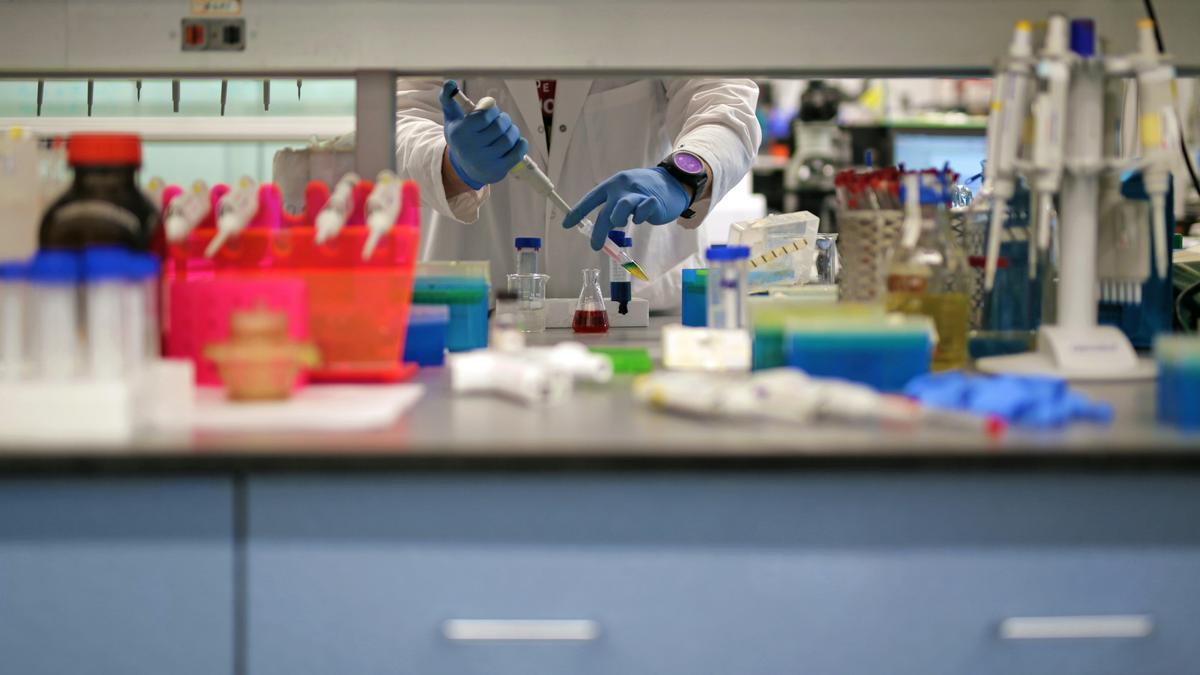
When a research journal publishes a paper, other researchers can reference it and build upon it, leading to further research. This process can continue even after the journal withdraws the original paper due to mistakes or fraud. Removing a faulty paper does not fully rectify the research record, as the work built upon it also requires examination and potential revision.
Retractions have become more common in recent years, partly because researchers now publish more papers and stakeholders are scrutinizing them more thoroughly. A study by Sabuj Bhattacharyya and his team found that various reasons for retraction exist, including ethical violations, plagiarism, and data concerns. However, a significant issue is the "cascading retraction effect," where retracted papers continue to be cited by subsequent studies that, in turn, are later retracted.
This leads to nearly 64% of second-generation papers being authored by the same research groups who initially cited the retracted work. Lack of awareness, particularly among early-career researchers, contributes to this issue. Dr. Devanath and Prof. Kumar suggest incorporating dedicated research support offices, checks for retracted references during peer-review, and regular training on responsible research practices.
However, even with stronger practices, the challenge remains, as retracted studies may still impact AI-generated responses. The philosopher Sundar Sarukkai argues that scientific knowledge is built through constant testing and revision, and deliberate falsification should not be tolerated.
Written by urgent.news from The Hindu - Sci-Tech's reporting — not their text. Machine-written — may contain errors; check the original before relying on it.
This story
This is one outlet's version. Read the fullest account.