Where are central banks keeping their gold?
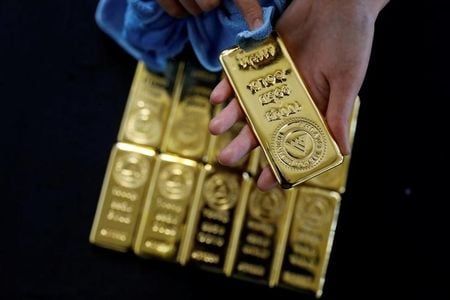
Central banks continue to store a significant portion of their gold reserves in the Bank of England and the New York Federal Reserve, according to a survey by Goldman Sachs. The Bank of England is the most popular foreign custodian, housing gold for 57% of the surveyed central banks. The New York Fed follows closely at 14%. Other notable custodians include the Bank for International Settlements in Switzerland and the Banque de France.
The Bank of England and New York Fed remain popular destinations for central bank gold holdings due to their robust liquidity infrastructure. These locations are integrated into major settlement networks, allowing central banks to access dollar liquidity through swaps and earn income through leasing their gold holdings. This arrangement grants them immediate market access without the need for recertification of the gold bars.
However, the practice of storing gold abroad does come with its risks. Foreign storage may lead to frozen assets or restricted access, as seen in the 2018 dispute involving Venezuelan gold held at the Bank of England. Additionally, central banks must bear the costs of physical security, audits, and insurance for their foreign holdings, which could also be subjected to local political or security risks.
To mitigate these risks, central banks are increasingly diversifying their gold storage across multiple jurisdictions. This strategy reduces their reliance on a single country or legal system. Goldman Sachs estimated that central banks purchased 57 tonnes of gold in June, a stark contrast to the pre-2022 monthly average of 17 tonnes. China emerged as the largest identifiable buyer, acquiring 40 tonnes during the same period.
Goldman Sachs also noted that 32 tonnes of monetary gold entered London, interpreting this as a custody transfer rather than a planned sale. The bank expects this trend of reserve diversification to continue as a multiyear phenomenon following the freezing of Russia's reserves in 2022. The firm maintains its end-2026 gold price forecast at $4,900 per ounce, driven by projected central bank purchases averaging 50 tonnes per month this year.
Written by urgent.news from Investing.com's reporting — not their text. Machine-written — may contain errors; check the original before relying on it.