When the wheels stop turning
EDITORIAL: The nationwide goods transporters’ strike has been deffered for 40 days after nine days of disruption, but the economic damage has already been serious and the dispute itself remains unresolved. The Pakistan Textile Exporters Association estimates losses to exports and allied trade at nearly $900 million, with shipments missed, raw materials stranded and factories facing shortages. The…
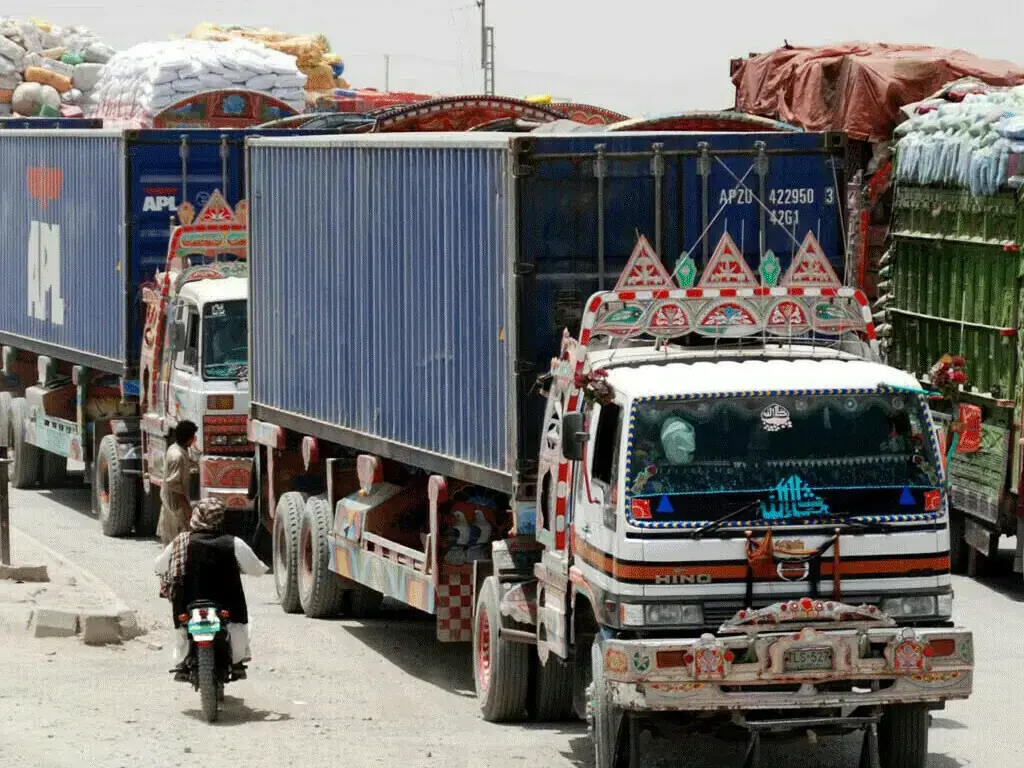
The nationwide goods transporters' strike in Pakistan has been paused for 40 days following nine days of disruption, but the economic consequences have already been significant and the conflict remains unresolved. The Pakistan Textile Exporters Association estimates losses of nearly $900 million due to missed shipments, stranded raw materials, and factories facing shortages.
Transporters have expressed that the strike can resume if the government fails to fulfill its commitments, prompting critics to question the government's commitment to national unity and cooperation.
The dispute arose from concerns over rising fuel costs, toll taxes, parking facilities, and axle-load limits, issues that required collaboration with various government departments. However, meaningful negotiations only took place after freight movement had been halted for over a week, causing damage that extended beyond the transport sector.
The state bears responsibility for maintaining the economy's functioning machinery, with transport being a crucial component. When trucks cease movement, imported raw materials remain at ports, locally produced inputs cannot reach factories, and finished goods cannot reach ships, thereby disrupting domestic commerce between provinces.
Pakistan's textile industry, which serves as the country's flagship export, is particularly sensitive to this issue. The industry relies on unbroken movement of cotton, yarn, fabric, dyes, chemicals, machinery parts, and finished products. Port and terminal delays have led to production disruptions and exporter risks of missed shipment deadlines.
The consequences of these failures extend beyond immediate financial losses, potentially damaging an exporter's reputation and leading them to lose future orders to more dependable supply chains. These losses, which may prove more expensive than the immediate financial damage, could negatively impact Pakistan's already struggling export sector and its need for foreign exchange.
The government has committed to reviewing toll taxes, petroleum pricing, parking problems, and axle-load disputes, with some matters to be discussed at the federal cabinet. Transporters, on the other hand, must negotiate responsibly and acknowledge the severe economic consequences of paralyzing Pakistan's freight network. The 40-day suspension should serve as a deadline for settlement rather than a return to "business as usual."
It is essential for Pakistan to prevent critical export and logistics infrastructure from becoming collateral damage during disputes, necessitating a permanent mechanism for resolving such disagreements before they escalate to nationwide disruptions. Emergency measures should also protect essential export cargo during negotiation periods.
While the strike has ceased for now, the 40-day countdown has merely been reset, and it is imperative that the time be utilized to achieve a durable resolution. Otherwise, the trucks may stop again, and the largest bill will once more burden exporters, workers, and an economy that bore no responsibility for the dispute.
Written by urgent.news from Business Recorder's reporting — not their text. Machine-written — may contain errors; check the original before relying on it.