When the heart stops, every second matters
Knowing how to perform CPR and use an AED could help save a life before medical assistance arrives.
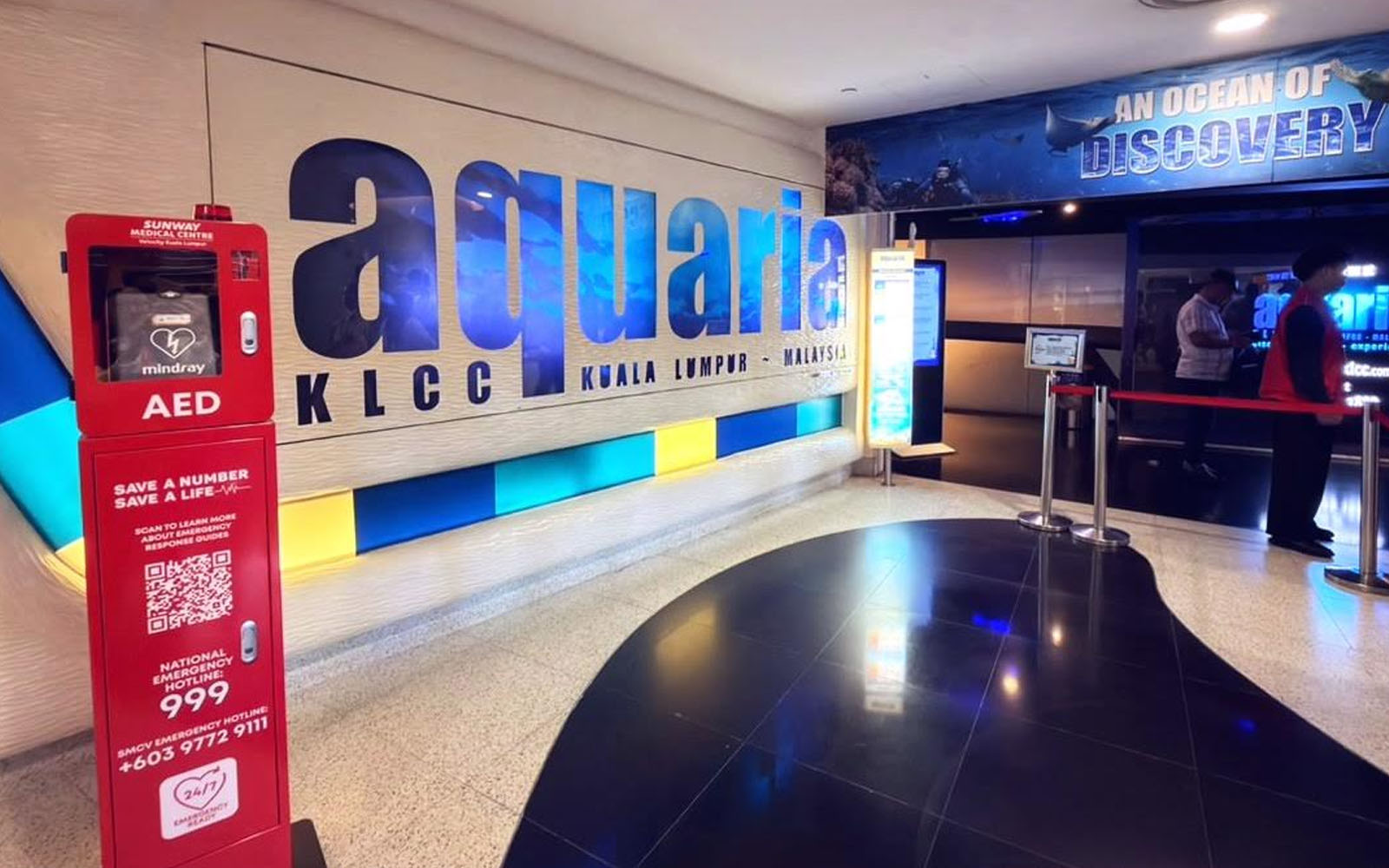
Cardiac arrest can strike unexpectedly, leaving those nearby with mere minutes to act. Survival rates in Malaysia range from a mere 0.5% to a more encouraging 8.5%, but delays in cardiopulmonary resuscitation (CPR) and access to automated external defibrillators (AEDs) often compromise outcomes. Emergency physician Dr Wee Tong Ming emphasizes that sudden cardiac arrest can happen anywhere at any time, and swift response is paramount.
Each passing minute without intervention reduces survival chances significantly, especially beyond eight to ten minutes.
Without proper equipment and knowledge, bystanders may hesitate, further delaying critical care. This is where AEDs become invaluable - portable devices that assess the heart's rhythm and, if needed, deliver a life-saving electric shock. Their ease of use, guided by clear instructions, makes them accessible to laypersons. However, their presence in high-traffic areas is insufficient without widespread awareness and training.
Public training sessions can empower individuals to recognize cardiac emergencies, perform basic life support, and use AEDs confidently while awaiting professional assistance. Responsibility for emergency preparedness shouldn't solely fall on hospitals; workplaces, schools, shopping centres, and transport operators must ensure staff are equipped to respond. By making AEDs readily available and educating the public, we can bridge the gap between a collapse and professional medical care, potentially saving countless lives.
Written by urgent.news from Free Malaysia Today's reporting — not their text. Machine-written — may contain errors; check the original before relying on it.
This story
This is one outlet's version. Read the fullest account.
- When the heart stops, every second matters freemalaysiatoday.com