Ukraine targets Kinzhal, Iskander-M and KN-23 guidance as Patriot interceptors run short
Anatolii Khrapchynskyi, director of development for a defense business and a Ukrainian Air Force reserve officer, explained how Ukraine’s defense forces are seeking ways to counter Russian ballistic missiles amid a lack of interceptor missiles for Patriot air defense systems.
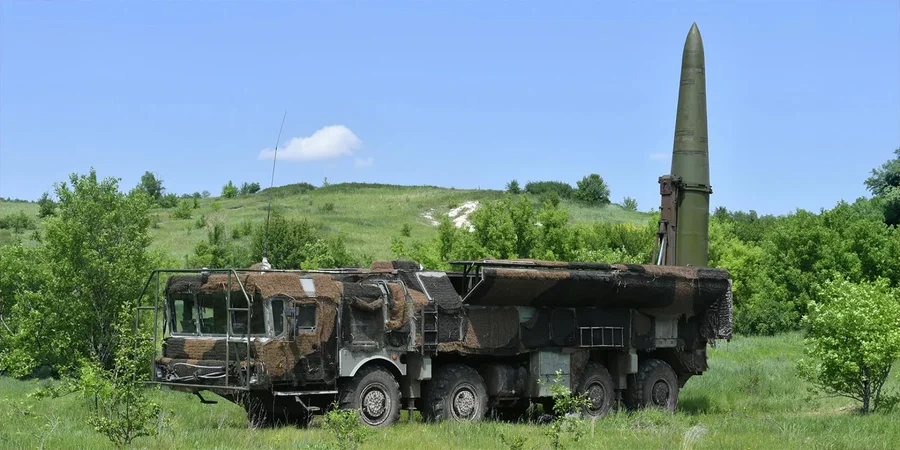
Ukraine's defense forces are grappling with the challenge of countering Russian ballistic missiles, as their interceptor missiles for Patriot systems remain scarce. Russia has made ballistic missiles a key weapon in its attacks on Ukraine, particularly in Kyiv and Kyiv Oblast.
For months, Russia refrained from using Kinzhal air-launched ballistic missiles, which it had previously employed in large-scale attacks on Ukraine. The use of Kinzhals was halted due to the effectiveness of Ukraine's electronic warfare systems, which managed to counter these missiles. Ukrinform sought insights from Anatolii Khrapchynskyi, director of development for a defense business and a Ukrainian Air Force reserve officer, to discuss the Kinzhal situation and assess the potential countermeasures against other aerial weapons, including Iskander-M and KN-23.
The first reason Russia stopped using Kinzhal missiles is the limitations of the supersonic MiG-31K fighter that carries the Kinzhal. This aircraft, based on the Soviet MiG-31, underwent modifications to accommodate the Kinzhal missile, which weighs around 4,300 kilograms. The removal of the MiG-31's standard armament and radar equipment, as well as the need for it to reach high altitudes and supersonic speeds, significantly reduces the service life of its D-30F6 engines.
These engines have already experienced issues, such as catching fire at Belarus’ Machulishchy airfield in December 2022 and January 2023. Consequently, Russia has been forced to limit the sorties of strategic aircraft like the Tu-95MS and Tu-160, which also share similar engine problems.
The second reason for the pause in Kinzhal missile usage is the increased activity of Ukraine's electronic warfare against these missiles. The missiles rely on an inertial navigation system, which requires updates from the GLONASS satellite system to maintain accuracy. Ukraine utilizes satellite spoofing, feeding false coordinates to the missile, creating discrepancies in the satellite's readings.
This causes the missile's guidance system to make erroneous maneuvers, leading to critical errors during high-speed flight, often resulting in the missile crashing into forests or fields where its aerodynamic limits are exceeded.
Electronic warfare proves effective in disrupting guided aerial bombs as well. The Iskander-M ballistic missile, Russia's ground-launched counterpart to the Kinzhal, also features a combined guidance system with an inertial navigation system, GLONASS satellite correction channel, and terminal phase optical or radar correlation seeker.
Ukraine can affect the Iskander-M's satellite signals, causing the missile to rely solely on its simplified internal inertial navigation system, which increases its circular error probable, potentially endangering civilian buildings in frontline cities.
Written by urgent.news from New Voice of Ukraine's reporting — not their text. Machine-written — may contain errors; check the original before relying on it.
Also reported by 6 other outlets
- Putin warns of wider strikes after Ukraine targets Russian economy dailytimes.com.pk
- Putin says Ukraine opened 'Pandora's box' with strikes on economic targets brecorder.com
- Wadephul expects a positive result from Patriot missile talks for Ukraine english.nv.ua
- Putin warns Ukraine has 'opened the gates of hell' with attacks on Russian economic targets english.ajel.sa
- Putin Says Ukraine Opened ‘Pandora's Box’ With Strikes on Economic Targets themoscowtimes.com
- Putin says Ukraine opened ’Pandora’s box’ with strikes on economic targets investing.com