TikTok agrees to $400 million US children's privacy settlement
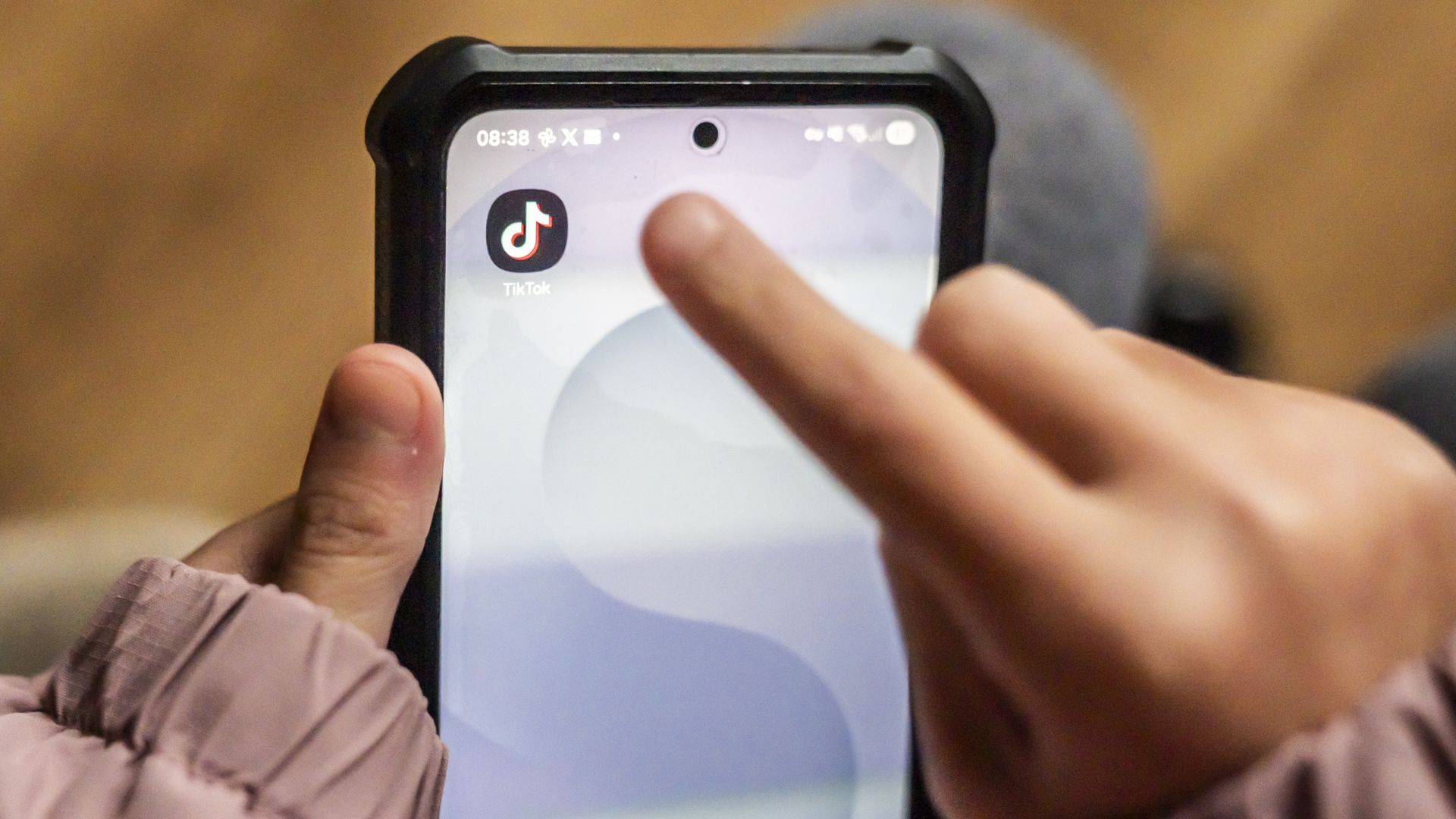
The Justice Department sued TikTok and ByteDance in 2024 for allegedly failing to protect children's privacy, and illegally collecting their information.
The US Justice Department and social media platform TikTok have reached a $400 million settlement to address allegations that TikTok violated children's online privacy rights. This resolution comes after a lawsuit filed by the Justice Department in 2024, accusing TikTok and its parent company ByteDance of failing to protect the privacy of users under 13 and illegally collecting their information.
Associate Attorney General Stanley Woodward emphasized the department's commitment to safeguarding children online, stating that companies handling their personal data must adhere to legal requirements. TikTok has not yet commented on the matter.
The settlement includes an immediate payment of $300 million and an additional $100 million upon the entry of an order dismissing a previous consent decree with the Federal Trade Commission from 2019, related to TikTok's predecessor, Musical.ly. The Federal Trade Commission had previously fined TikTok $5.7 million for similar violations.
In January, ByteDance, TikTok's Chinese parent company, agreed to create a majority American-owned joint venture to secure US data and prevent a potential US ban on the platform, which boasts over 200 million users in the US alone. Since the lawsuit was filed, the Justice Department noted that TikTok had undergone significant changes, including shifts in ownership, management, compliance functions, and privacy practices.
As part of the settlement, TikTok has implemented measures to verify users' ages, requiring them to enter their date of birth. The app also claims to have robust age-moderation systems in place, identifying and deleting tens of thousands of underage accounts. The joint venture, now majority-owned by Americans, stated that it requires all users to disclose their birthdate to access the platform.
Written by urgent.news from Economic Times Tech's reporting — not their text. Machine-written — may contain errors; check the original before relying on it.