Test smarter, but never lower the safety bar
If trains have already undergone extensive testing at the factory, do we really need thousands of kilometres of additional testing in Malaysia?
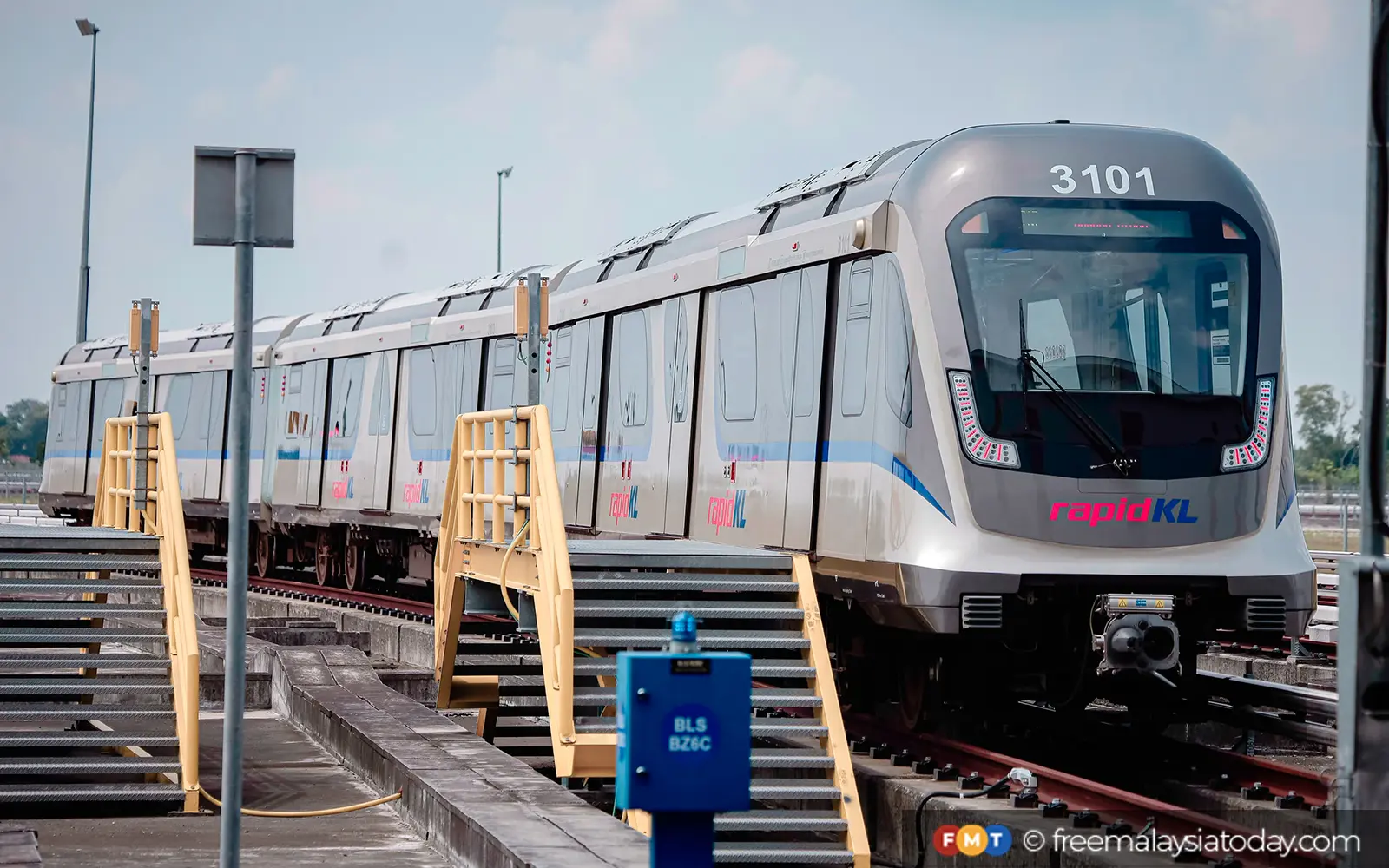
Transport Minister Loke Siew Fook has called for simplifying the fault-free run (FFR) process for new trains, sparking a debate on whether extensive factory testing is truly necessary. The Ministry of Transport is right to explore efficiency in regulatory processes, but Apad, the Land Public Transport Agency, rightly stresses that factory testing cannot replace demonstration of reliability in the operating environment.
Factory testing verifies correct manufacturing and performance under controlled conditions, while FFR establishes reliability in real-world use. Apad's caution stems from the fact that some issues only manifest after repeated operation. The ministry's concern is valid, as some defects were detected only after the Shah Alam LRT's FFR.
However, this does not mean every aspect of the current procedure should remain unchanged. One critical area requires examination: major faults should not automatically invalidate accumulated reliability evidence. A more risk-proportionate approach could be beneficial, where isolated failures lead to targeted verification and partial re-demonstration, while systemic, recurrent, or safety-critical failures trigger a complete restart.
Malaysia could leverage credible engineering evidence from factory and type testing, concentrating local testing on uncertainties such as compatibility with railway, braking under actual loads, and reliability in local environmental conditions. This approach maintains rigorous testing while acknowledging proven performance. Railway readiness extends beyond train operation; operational-readiness testing of signalling, stations, control centres, and timetables must also be considered.
The compromise between the transport ministry and Apad lies in aiming for smarter commissioning, recognizing credible evidence, reducing unnecessary duplication, and tailoring testing to Malaysian conditions. Commercial deadlines should not dictate safety considerations. Safety must not justify repeating unnecessary tests.
Written by urgent.news from Free Malaysia Today's reporting — not their text. Machine-written — may contain errors; check the original before relying on it.
This story
This is one outlet's version. Read the fullest account.
- Test smarter, but never lower the safety bar freemalaysiatoday.com