Test smarter, but never lower the safety bar
If trains have already undergone extensive testing at the factory, do we really need thousands of kilometres of additional testing in Malaysia?
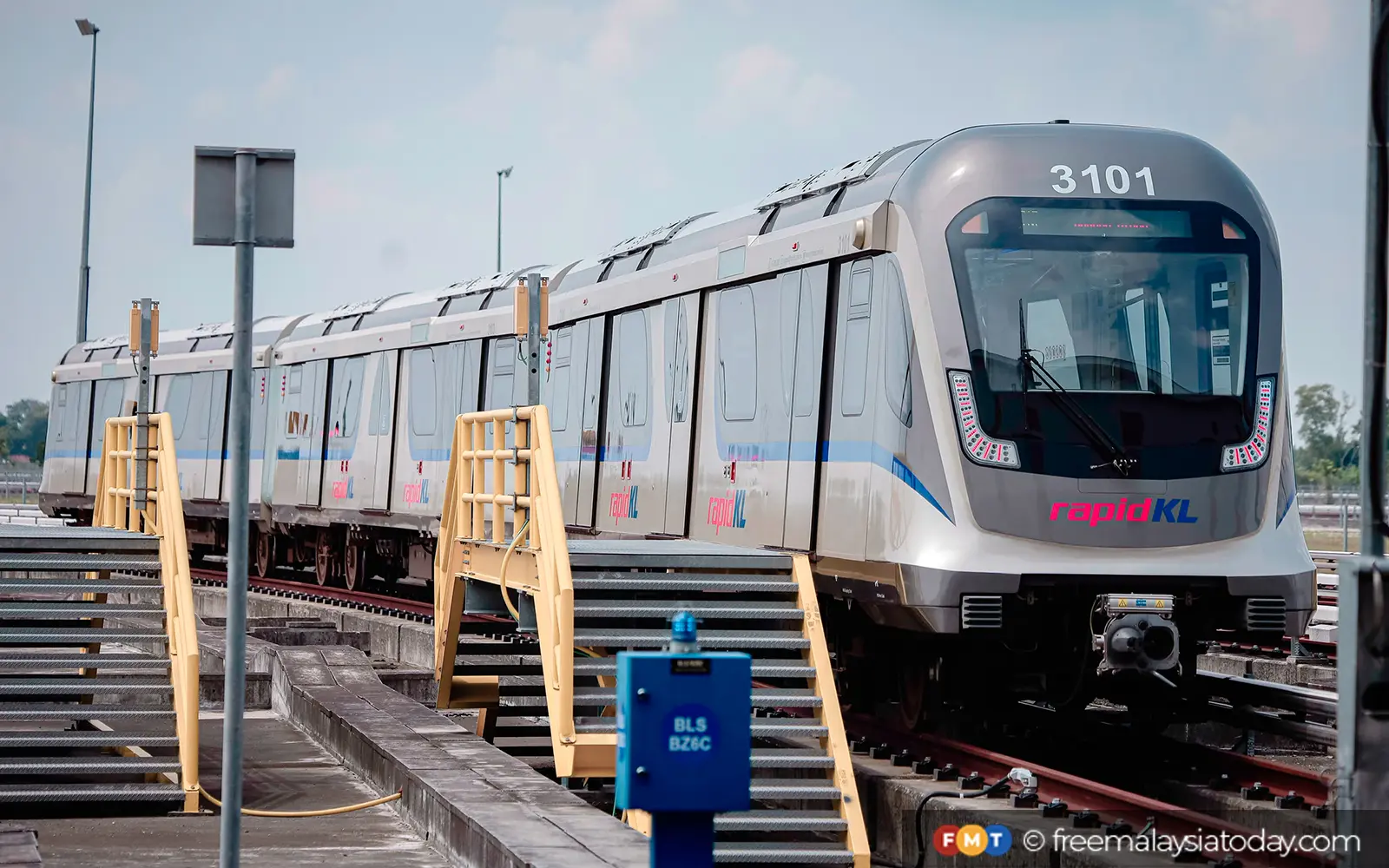
Minister Loke Siew Fook has called for streamlining the fault-free run (FFR) process for new trains, sparking a debate over the necessity of additional testing in Malaysia. While the transport minister is correct in questioning the efficiency of regulatory processes, the Land Public Transport Agency (Apad) rightly emphasizes that factory testing cannot fully replace demonstration of reliability in operational environments.
Factory testing verifies that a train has been built correctly and functions according to its technical specifications, while FFR assesses performance in a Malaysian setting, including interactions with tracks, signaling, braking systems, and operating conditions. This distinction is crucial, as some issues may only arise after prolonged use.
However, the existing FFR framework's requirement for extensive kilometers of testing may not always be justified, especially when credible evidence from factory testing exists. For isolated faults that do not compromise safety or the train's configuration, a targeted verification and additional running could suffice, rather than restarting from zero kilometers.
Major faults that affect the entire train should trigger a complete restart, but the criteria for determining what constitutes a major fault should be carefully considered. Malaysia could adopt a risk-proportionate approach, where isolated failures require targeted measures, while systemic or safety-critical failures continue to necessitate a complete restart.
Credible engineering evidence generated during factory and type testing should be recognized and integrated into Malaysian assessments, allowing local testing to focus on remaining uncertainties. Railway readiness extends beyond just accumulating kilometers; operational-readiness testing of signalling, stations, control centres, timetables, and the railway's ability to recover from disruptions is equally important.
The ideal approach is to aim for smarter commissioning, integrating credible evidence, eliminating unnecessary duplication, and rigorously testing what remains uncertain under Malaysian conditions. Safety criteria should not dictate commercial deadlines or contractual milestones, as an opening date should not determine the safety of a railway opening.
Written by urgent.news from Free Malaysia Today's reporting — not their text. Machine-written — may contain errors; check the original before relying on it.
Also reported by 1 other outlet
- Test smarter, but never lower the safety bar freemalaysiatoday.com