Supreme Court On Reservation: Merit-Selected Reserved Candidates Can Get Better Posts Than Lower-Scoring Candidates
The Supreme Court has reiterated an important principle on researvation and allocation of goverment post. Observing that a reserved-category candidate selected in the open category on merit can be considered for a better post under the reserved category if they have scored higher marks than a reserved-category candidate already allotted that post, as per Bar & Bench report. A bench of Justice MM…
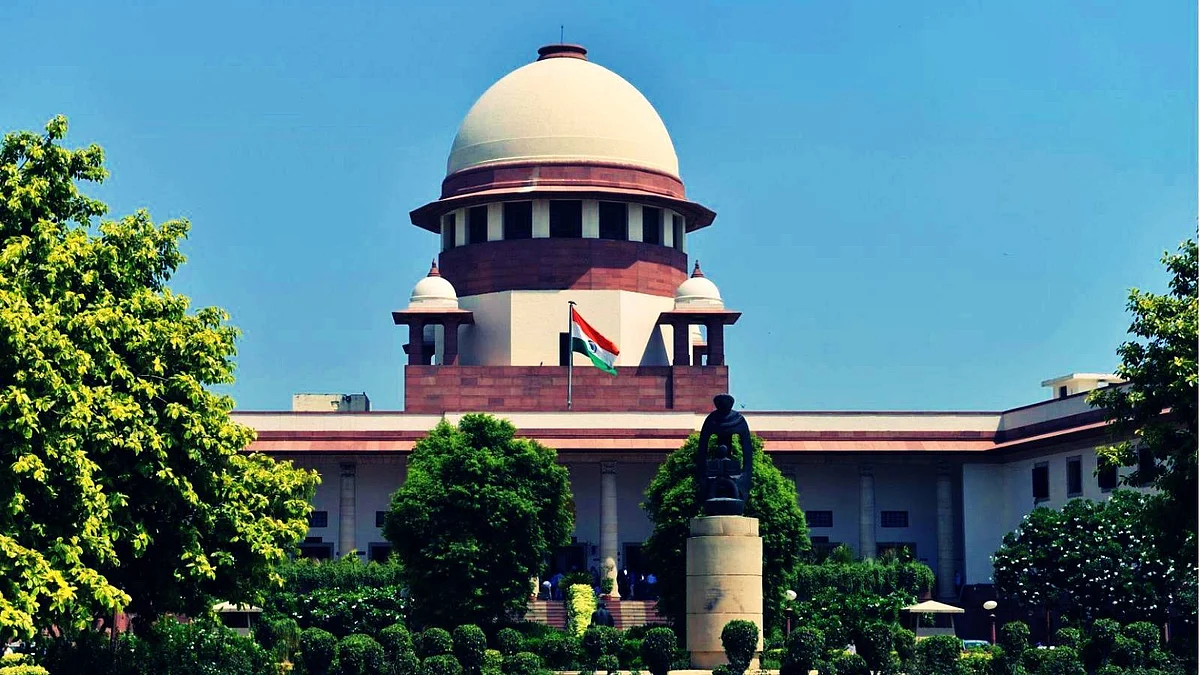
The Supreme Court has reaffirmed a key principle regarding the allocation of government positions to reserved-category candidates. The bench, comprising Justices MM Sundresh and Prasanna B Varale, held that a candidate from a reserved category who achieves high marks in the open category, without relying on reservation benefits, can be considered for a better post within the reserved category if they have scored higher than a reserved candidate already holding that post.
This principle has been reinforced by previous Supreme Court decisions, including the landmark Union of India v. Ramesh Ram ruling in 2010.
The court's ruling came in response to a batch of petitions involving the allocation of services to reserved-category candidates who were chosen based on merit in the 6th Combined Civil Services Examination conducted by the Jharkhand Public Service Commission. The Supreme Court observed that such candidates should not be denied a more desirable position under the reserved category simply because they were initially selected from the open category.
The matter arose from a dispute between the Jharkhand High Court and the petitioners, who argued that despite scoring higher marks and being selected in the open category, they were allocated lesser posts while some reserved-category candidates with lower scores were placed in more desirable positions. The High Court had earlier dismissed the petitioners' claims, stating that their treatment as open-category candidates was in line with the applicable policy.
In the case, four candidates were before the High Court: Chandan (Scheduled Caste, 611 marks, allotted Jharkhand Information Service), Sanjay Kumar Mahto (EBC-I, 621 marks, allotted Jharkhand Finance Service), Gautam Kumar (EBC, 619 marks, allotted Jharkhand Finance Service), and Kumar Avinash (Scheduled Caste, 606 marks, allotted Jharkhand Planning Service). None of the candidates received the coveted Jharkhand Administrative Service post.
The cut-off marks for the various services ranged from 600 for Planning Service to 631 for Administrative Service. The petitioners challenged the allocation under Clause 8 of the recruitment advertisement, which allowed reserved-category candidates scoring equal or higher than open-category candidates to be treated as open candidates if they had not availed of reservation benefits.
During the hearing, the respondents claimed that the petitioners had availed some form of relaxation. However, the Supreme Court noted that there was insufficient evidence to support this claim and requested the State and JPSC to clarify this matter within six weeks. Additionally, the court raised another question regarding the circumstances when an unreserved candidate is later shifted back to a reserved post. The matter was listed for further hearing on August 25, 2026.
Written by urgent.news from Free Press Journal's reporting — not their text. Machine-written — may contain errors; check the original before relying on it.