Sudan’s breadbasket reels as El Nino shrinks Nile, war cripples markets and farmers pray for rain
GEDAREF (Sudan), Aug 23 — Along the bone-dry riverbanks of the Nile in Sudan, farmers struggle to pull water to th...
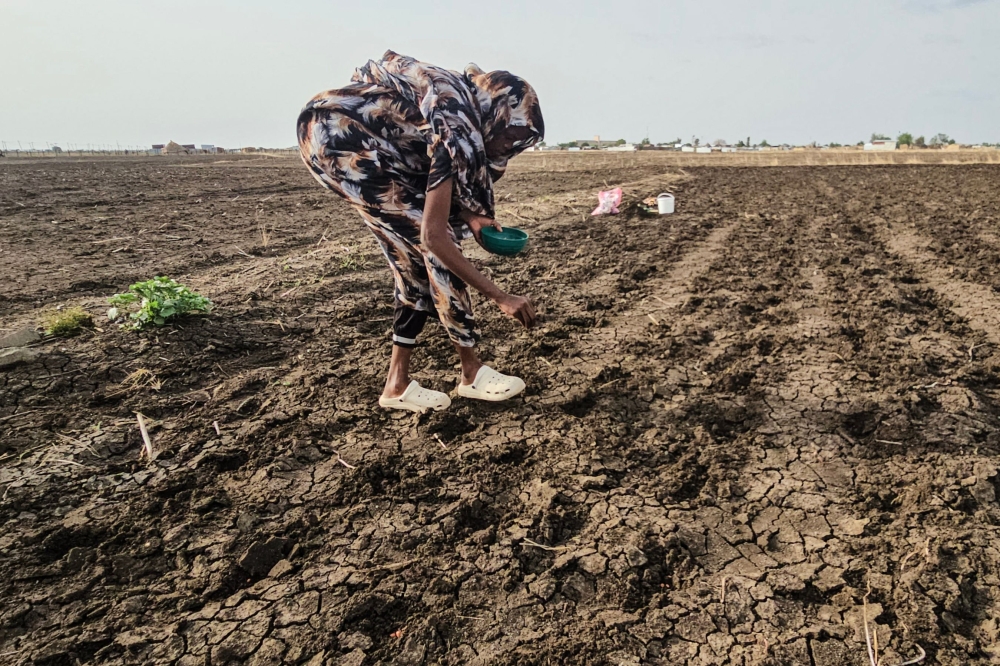
Along the parched riverbanks of Sudan's Nile, farmers are grappling with water shortages and praying for rainfall. The country's farmland, capable of feeding the world's hunger crisis many times over, remains idle, as farmers once again find themselves caught in the crosshairs of distant conflicts. War between the Sudanese army and rival paramilitaries since April 2023 has claimed over 200,000 lives and pushed nearly 20 million people into hunger crisis levels.
Meanwhile, tensions between Iran and the United States have disrupted fuel and fertilizer supply through the Strait of Hormuz, driving costs sky-high. Adding to the woes, the El Nino climate pattern in the Pacific Ocean has delayed crucial rains and caused water levels in the Nile to plummet significantly. In the Gedaref state, near the Ethiopian border, farmers witness fields still brown despite the arrival of August, their usually verdant crops faded.
Farmers, like Al-Tigani Fadlallah, point to an island that shouldn't exist, seeing it as an ominous sign. The UN's food and agriculture organization warns that the season is unfolding under heightened climate risk, driven by El Nino conditions including delayed and below-average rains, as well as long and frequent dry spells. Climate research indicates this will not be the worst season; rather, it is just one of many to come.
Scientists at the Massachusetts Institute of Technology have studied the link between El Nino and the Nile for three decades, finding that El Nino strongly correlates with low Nile flow and a high probability of drought in the region. Water levels at the Grand Renaissance dam in Ethiopia, which contributes the majority of water to the Nile, are six meters lower than the same time last year.
However, scientists warn for more transparency and cooperation between Ethiopia, Egypt, and Sudan regarding the dam's management, particularly as climate change brings more extreme floods and droughts. The Blue Nile basin has already seen half of its usual rainfall this summer, with regional forecasts predicting below-average rainfall for the rest of the rainy season.
In Gedaref, farmers gather for rain-invoking prayers, praying for water for their crops and livestock. Agriculture minister Ismat Qurashi advises farmers to choose drought-resistant crops and delay planting. Moussa Yaacoub, a veteran farmer, struggles to continue planting sesame, a crop he has cultivated for decades, and wonders if he will survive this harsh season, with his land costing him four times more to plant.
Downstream, in Al-Jazira state, Hassan Ahmed finds his family's 100-year-old farm ransacked by looters and his trees withering. Despite his efforts to restore the farm, this year he faces the lowest Nile water levels in August, wondering if he can carry on. Many farmers have given up, leaving their lands untouched as 65% of Sudan's arable land is already out of commission.
Written by urgent.news from Malay Mail's reporting — not their text. Machine-written — may contain errors; check the original before relying on it.