Fear and fallout three months on from Northern Ireland's race riots
Northern Ireland saw consecutive nights of violence following a knife attack - but how are victims faring now?
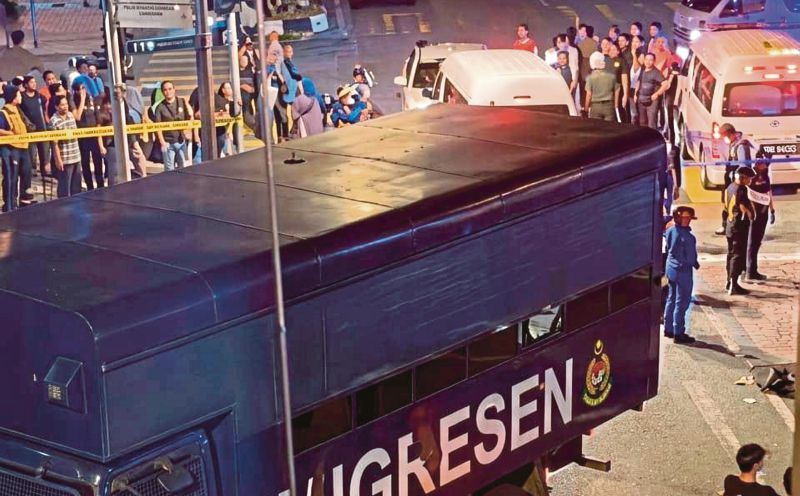
Three months after violent race riots tore through parts of Northern Ireland, the impact on communities continues to be felt. Maria, who has lived peacefully in a loyalist area of east Belfast for two years, expressed panic as people across the road donned balaclavas and buses were hijacked and set ablaze. Henry, a Nigerian immigrant, recalled feeling like a stranger surrounded by lions when he noticed the escalation of violence.
The riots began after a video of a brutal knife attack was widely shared, sparking anti-immigration protests that turned violent, targeting refugees and asylum seekers. Over 76 households presented as homeless to Northern Ireland's social housing authority, the Housing Executive, while community workers estimated the number to be much higher.
In response to the chaos, a network of migrant support groups helped over 200 people, often rushing to areas of violence to provide safety. Community workers, such as Anne, Ciara, and Carolyn, bravely assisted those targeted by the rioters, including four Sudanese women and 22 individuals from County Antrim. The riots have exposed the deep-seated division and segregation within Northern Ireland, with loyalist communities perceiving themselves as losing out to republican areas.
Despite the support from social services and community workers, the traumatic experience has left lasting scars on those affected, many of whom were forced to flee their homes with nothing but the clothes on their backs.
Written by urgent.news from BBC News's reporting — not their text. Machine-written — may contain errors; check the original before relying on it.