Right-sizing in reverse
EDITORIAL: At a time when the federal government is promising right-sizing, eliminating unnecessary posts and reducing the burden of an oversized state, the Senate Standing Committee on Climate Change has discovered something rather difficult to reconcile with that agenda: a separate Pakistan Climate Change Authority (PCCA) whose mandate, expertise and even personnel appear to substantially…
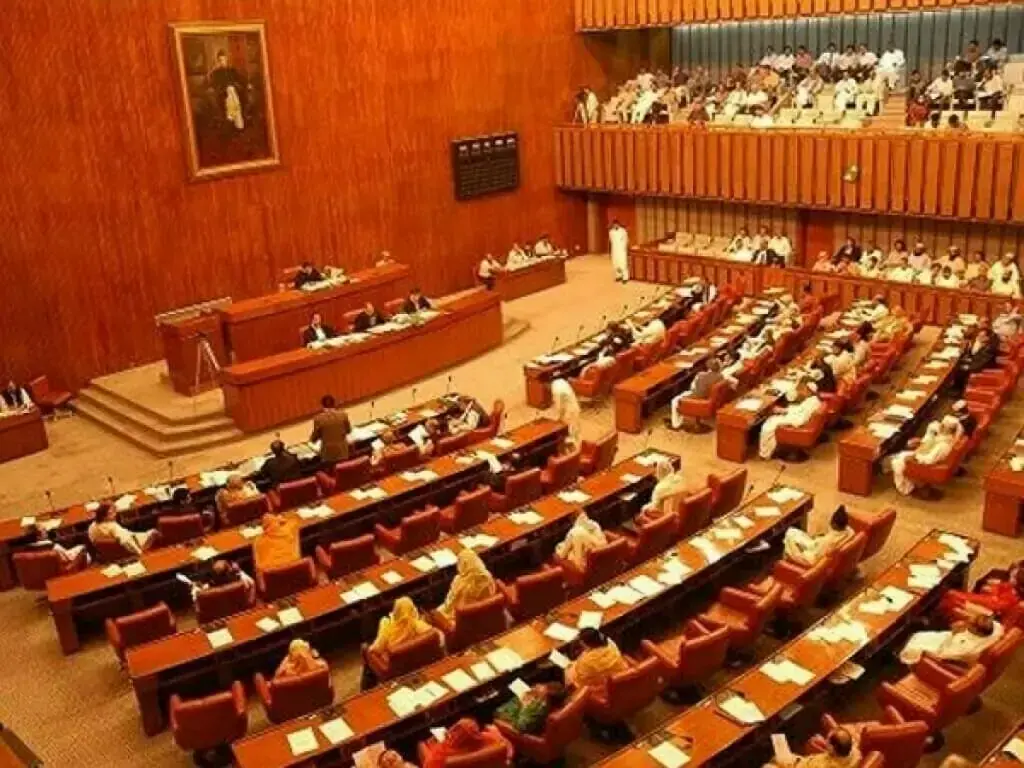
At a time when the federal government in Pakistan is championing right-sizing and cutting costs, a Senate committee has unearthed a situation that clashes with its goals. The Senate Standing Committee on Climate Change found that a separate Pakistan Climate Change Authority (PCCA) appears to duplicate the functions of the Ministry of Climate Change and Environmental Coordination, raising questions about its added value.
Senator Sherry Rehman rightfully questioned the authority's worth during its review, especially as the ministry itself is facing budget cuts. Despite a reduction in its PSDP allocation from Rs3.5 billion to Rs2.7 billion, and 24 new posts being sanctioned for the PCCA, the committee found that the new body carries out functions already handled by the ministry.
The ministry's mandate includes coordination with provincial governments, a role reportedly being assumed by the PCCA as well. This raises concerns about unnecessary duplication of personnel, offices, and budgets, leading to larger state apparatus without necessarily enhancing capability. Such a trend contradicts the government's stated aim of right-sizing.
Prime Minister Shehbaz Sharif has ordered the removal of redundant government positions and accelerated the implementation of the federal right-sizing program, while the finance ministry has strongly advocated for expenditure control due to the state's inability to manage an inefficient administrative structure. In the context of climate change, Pakistan faces severe threats such as floods, extreme weather events, and glacial melt, with over 30,000 glaciers and vulnerable communities in high-mountain regions.
Climate resources must be allocated to technical expertise, preparedness, adaptation, and protection of vulnerable populations. Every rupee spent on unnecessary administrative duplication is a rupee that could have been used for much-needed climate work. The government must answer critical questions about the approval process for new authorities, assess duplication with existing institutions, and measure projected costs against tangible benefits.
These inquiries need to be addressed before the PCCA becomes an entrenched part of the state. The government should evaluate its mandate in relation to the climate ministry, disclose staffing and operating costs, identify functions that cannot be performed by the existing ministry, and show what additional outcomes taxpayers receive.
Only then can it justify the existence of a separate authority. If no genuine need is found, the existing government knows what to do - apply the principle of right-sizing to itself.
Written by urgent.news from Business Recorder's reporting — not their text. Machine-written — may contain errors; check the original before relying on it.