Hong Kong must abandon superiority complex over mainland China
After many years in Hong Kong, with some sadness, I left the city for greener pastures, though my link with it remains an emotional one. When I moved my two dogs across the border to Shenzhen, I was told by agents, officials, even artificial intelligence, that the mainland bureaucracy would be rigid and unhelpful. My experience was the opposite. The young customs officers at Shenzhen Bay answered…
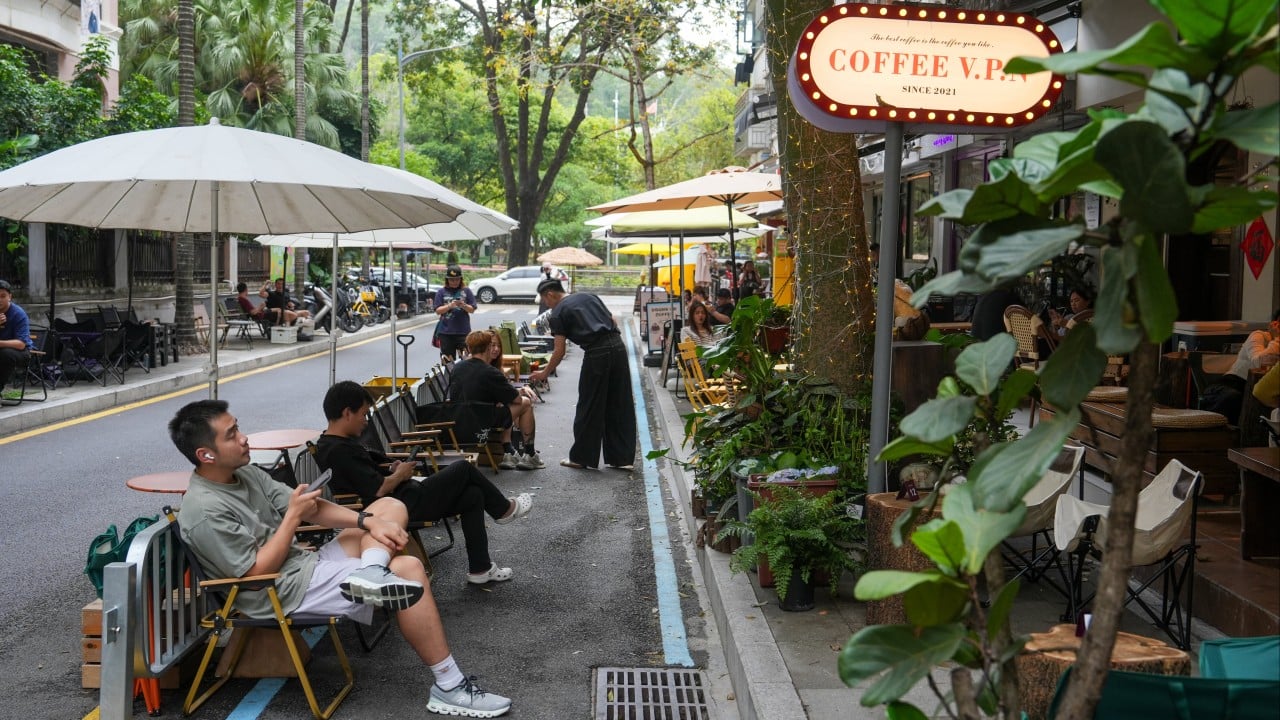
After years living in Hong Kong, I left for Shenzhen, despite agents, officials and even artificial intelligence cautioning me about the mainland bureaucracy. To my surprise, the Shenzhen customs officers were friendly, providing helpful advice and treating my family's situation with warmth. At the border, their tone was almost playful, asking if my dogs were cats or dogs.
Once I confirmed their vaccinations were valid, there were no issues. In contrast, Hong Kong's Agriculture, Fisheries and Conservation Department, while supportive, seemed more rigid. One resident even expressed doubt about China's bureaucracy, claiming Hong Kong's was superior. However, this assumption is not accurate. In Hong Kong, there's a lingering belief in an outdated image of China, assuming superiority without acknowledging its rapid progress.
The Chinese government has invested heavily in improving the country, and these improvements are recognized by even its critics. Diwu Lun, a Han dynasty minister known for impartiality, understood that partiality is human and that societies must manage imperfections, not deny them. While nepotism exists, it's not unique to any political system.
In Hong Kong, the pursuit of impartiality has sometimes led to paralysis, elevating systems through rigidity and mistaking suspicion for wisdom. For decades, the belief that Hong Kong's system is better has persisted, but comparing it unfavorably to mainland China's achievements in recent years is misguided. Meanwhile, Hong Kong's system has led to expensive property and cramped living conditions.
In contrast, Shenzhen and other mainland areas offer freedom, community support, and a higher quality of life. Crime rates are low due to trust, solidarity and good governance, not because China is a police state. Just as the US is learning that bashing China is ineffective, Hong Kong must confront its own illusions. The city must reposition itself as part of China, find its role and cultivate leadership capable of protecting national security while promoting prosperity.
The notion that Hong Kong is superior must end. The city's future lies in embracing mainland China's success, not clinging to an outdated superiority complex. Only by re-evaluating this mindset, letting go of prejudice and aligning with the national trajectory can Hong Kong prosper. A simple crossing at Shenzhen Bay illustrates this lesson: a father, daughter and two old dogs met not with suspicion, but with warmth and kindness upon their arrival.
This moment highlights what Hong Kong must learn – that dignity, trust and humanity are strengths, not weaknesses. Embracing these values in both politics and daily life will enable Hong Kong to share in China's rise, rather than merely observing it.
Written by urgent.news from South China Morning Post's reporting — not their text. Machine-written — may contain errors; check the original before relying on it.
This story
This is one outlet's version. Read the fullest account.