Putting mice into hibernation causes a major loss of synapses
Hibernation cuts down on synapses, but mice seem to retain memories anyway.
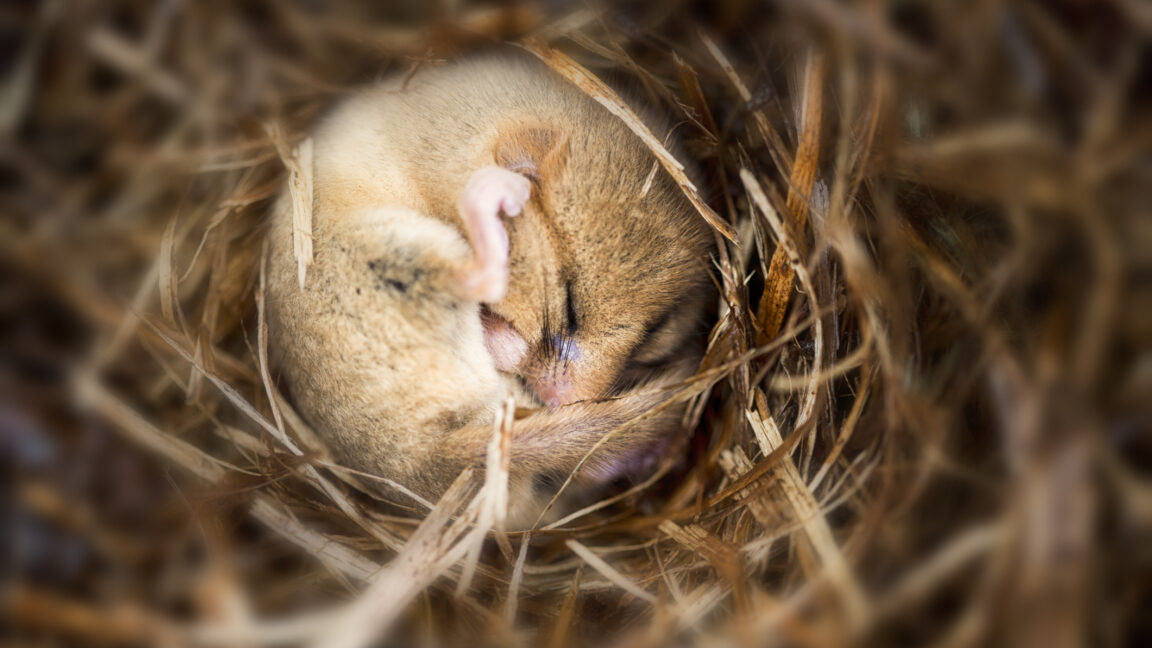
Recent research has found that inducing a hibernation-like state in mice can lead to a significant loss of synapses, yet the rodents still retain their memories. Synapses are the connections between neurons, and their connections can change rapidly over time, which is believed to be how memories are stored. Dr. Kazumasa Tanaka, a neuroscientist at the Okinawa Institute of Science and Technology Graduate University in Japan, explains that the arrangement of these connections can differ greatly between day one and days four or five.
To explore how a memory lasting years can exist on connections that fluctuate daily, Tanaka's team made these changes more pronounced in their experiments.
In a study published in Science, Tanaka's team managed to activate a hibernation circuit in mice, a process previously seen in other mammals like squirrels, hamsters, and bears. This was achieved by stimulating a group of neurons called Q neurons in the hypothalamus. Despite the loss of more than half of their synapses during this hibernation-like state, the mice managed to preserve their memories.
The researchers were able to observe this phenomenon, indicating that the loss of synapses does not necessarily equate to a loss of memory.
Written by urgent.news from Ars Technica Science's reporting — not their text. Machine-written — may contain errors; check the original before relying on it.
This story
This is one outlet's version. Read the fullest account.
- Putting mice into hibernation causes a major loss of synapses arstechnica.com