Putting mice into hibernation causes a major loss of synapses
Hibernation cuts down on synapses, but mice seem to retain memories anyway.
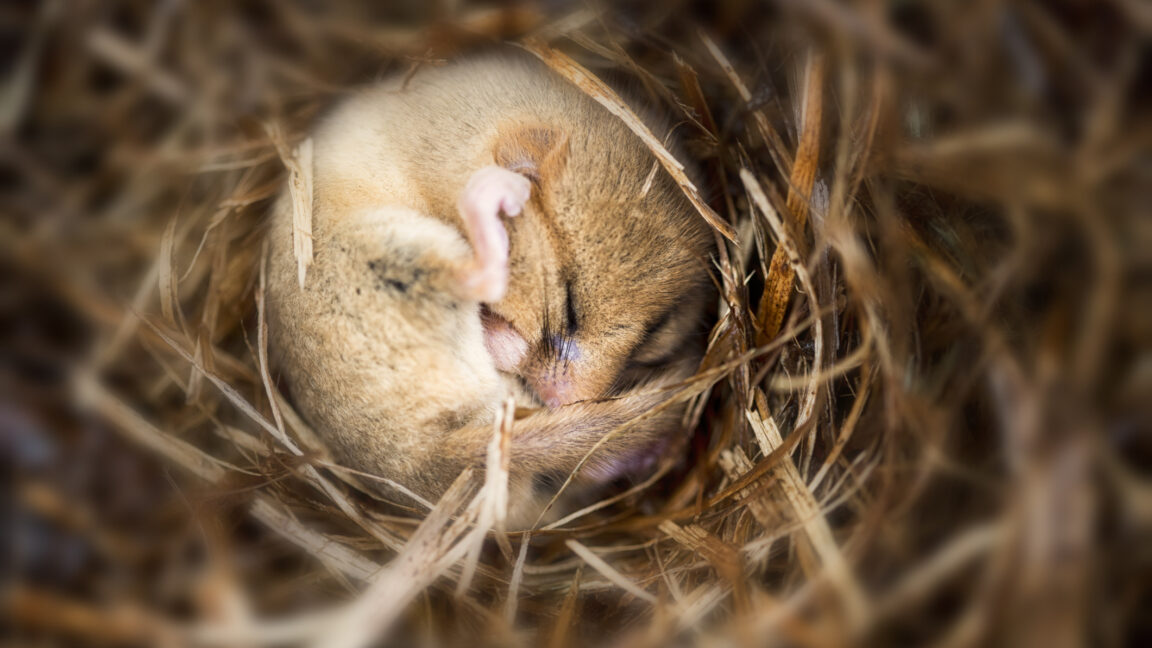
Research conducted by Kazumasa Tanaka's team at the Okinawa Institute of Science and Technology Graduate University has revealed that inducing a hibernation-like state in mice causes a significant loss of synapses, yet the animals retain their memories. This finding challenges the prevailing theory that memories are stored through the strengthening and physical enlargement of connections among neurons.
Over time, these connections undergo substantial changes, making it difficult to understand how memories persist. To explore this mystery, Tanaka's team artificially triggered the hibernation circuit in mice, which resulted in the erasure of more than half of their synapses. Despite this dramatic synapse reduction, the mice maintained their memories.
The hibernation mechanism, conserved across mammals including species that do not hibernate in the wild, such as mice, was discovered by Takeshi Sakurai's team at the University of Tsukuba. Sakurai developed a technique to activate this hibernation circuit by stimulating Q neurons in the hypothalamus, enabling the controlled suppression of synapses in mice.
Written by urgent.news from Ars Technica's reporting — not their text. Machine-written — may contain errors; check the original before relying on it.
Also reported by 1 other outlet
- Putting mice into hibernation causes a major loss of synapses arstechnica.com